
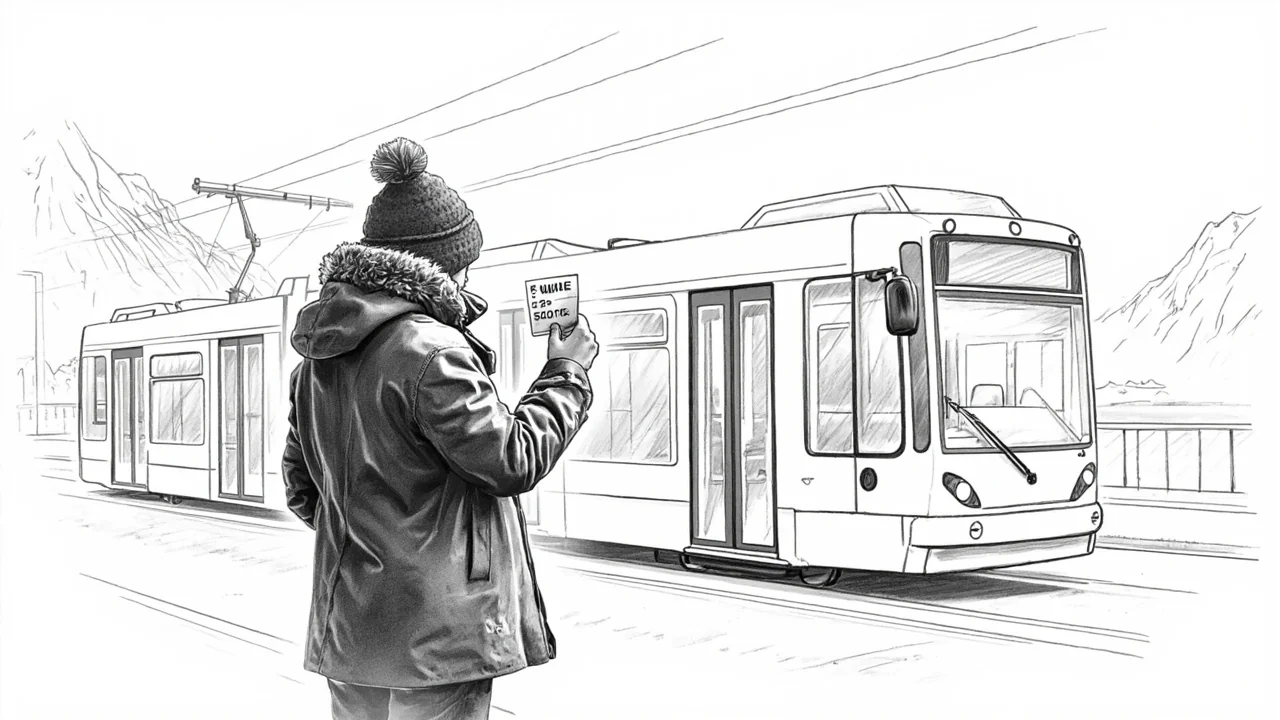
Norway's public transport users face higher costs as single adult tickets now exceed 50 kroner in many areas. This price increase, effective immediately, marks a significant threshold for daily commuters and occasional riders across the country's bus and tram networks. The shift represents one of the most notable adjustments to fare structures in recent years, directly impacting household budgets.
The New Fare Reality
A standard single ticket for an adult now costs more than 50 kroner in multiple regions. This base fare applies to journeys on buses and trams, with variations possible between different transport authorities and zones. The increase applies to full-price tickets purchased by adults, while concessionary fares for students, seniors, and children follow separate pricing structures. The change is not uniform nationwide, but the crossing of the 50-krone mark in key urban areas sets a new benchmark for travel costs.
Passengers must now budget over 100 kroner for a simple round trip using single tickets. For regular commuters, this significantly increases the weekly and monthly cost of getting to work, school, or other daily activities. The price adjustment comes amid broader discussions about living costs and transportation affordability in Norwegian cities and towns.
Understanding the Price Structure
Public transport pricing in Norway is complex, with fares set by regional authorities. The cost depends on the number of zones crossed during a journey. While a single-zone trip might still be below the new threshold in some locations, multi-zone travel commonly exceeds it. The 50-krone point is a psychological and financial milestone for many users who previously paid just under that amount.
Season tickets and period passes, such as 30-day cards, remain available and offer cost savings for frequent travelers. However, the price increase also affects these subscription products, with monthly rates rising in line with the new single-fare calculations. The change makes the economic argument for using public transport versus private cars more nuanced for some households.
Impact on Daily Commuters
For the average worker commuting five days a week, the annual cost increase is substantial. A previous round trip costing just under 100 kroner now exceeds that amount, adding hundreds of kroner to monthly expenses. This affects disposable income and spending power, particularly for those without access to employer-sponsored travel benefits or tax deductions for commuting expenses.
The fare change also impacts casual users, including tourists and those making occasional trips into city centers. A family of four taking a short bus journey now faces a total cost exceeding 200 kroner for a single trip, which may influence decisions about mobility and leisure activities. Accessibility and equity concerns arise, as higher fares disproportionately affect lower-income groups who rely more heavily on public transport.
Reasons Behind the Increase
Transport authorities cite rising operational costs as the primary driver for the fare adjustment. These include increased expenses for energy, maintenance, vehicle procurement, and employee wages. Public transport funding comes from a combination of ticket revenue and government subsidies, and the balance between these sources is a constant subject of political debate.
Investments in new infrastructure, such as expanding tram networks or introducing electric buses, also contribute to financial pressures on transport systems. The goal of providing frequent, reliable, and environmentally friendly service conflicts with the desire to keep fares low. This price increase reflects the ongoing challenge of balancing service quality with affordability.
Passenger Response and Alternatives
Early reactions from commuters highlight frustration with the timing of the increase, as many households already contend with elevated costs for food, housing, and energy. Some passengers indicate they will reconsider their travel patterns, potentially making fewer trips or combining errands to reduce costs. Others may explore cycling, walking, or carpooling for shorter journeys where feasible.
The fare change could test public commitment to sustainable transport goals. Norway has ambitious targets for reducing private car use and cutting emissions, which rely on attractive, affordable public transit. If rising fares deter ridership, it could undermine progress toward these environmental objectives. Transport planners monitor passenger numbers closely following any fare adjustment to gauge its impact on system usage.