
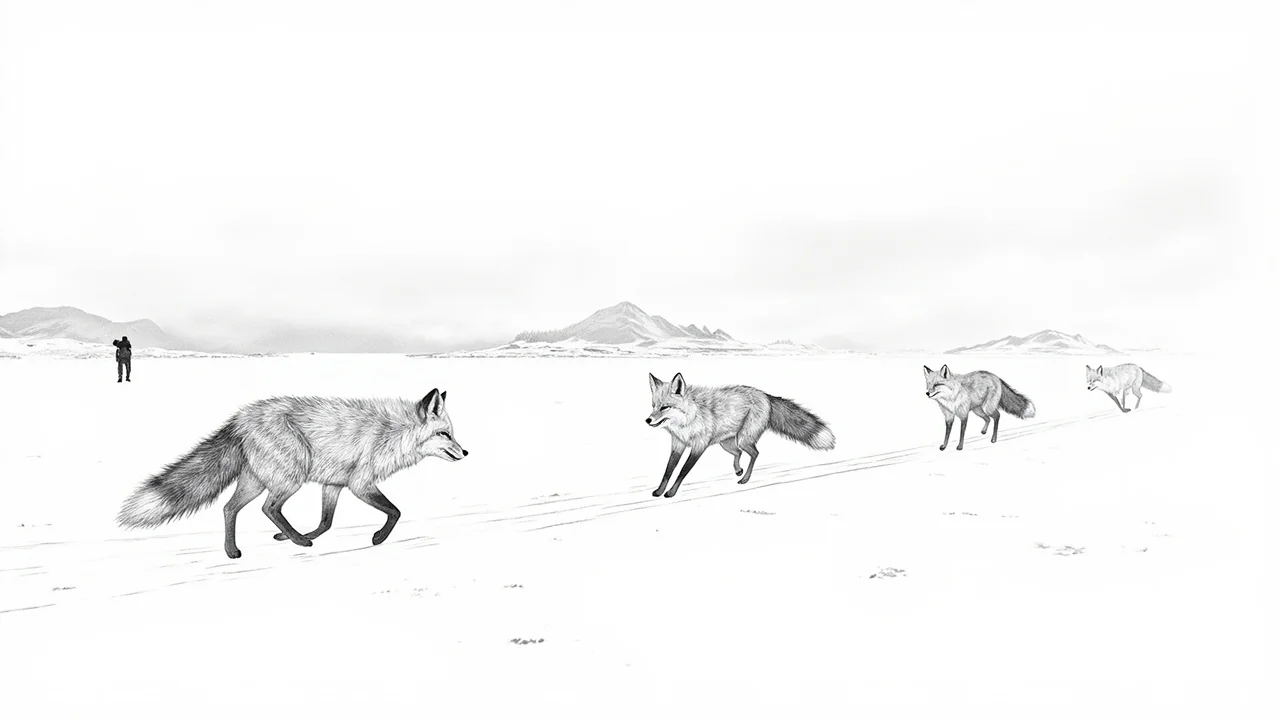
Norway's endangered Arctic fox population has reached a critical milestone with over 500 animals released into the wild since conservation efforts began. The Norwegian Environment Directorate announced this achievement, highlighting it as a key step in rebuilding the species, which has been protected since 1930. Director Hilde Singsaas stated that the release program is the core engine for the species' recovery. This effort comes as the Arctic fox remains threatened with extinction, following a severe decline since the late 1800s. With only 40 to 60 individuals left in Norway and Sweden around the year 2000, the current positive trend marks a significant turnaround in national conservation policy.
The 500th Release: A Conservation Milestone
Valp number 500 was released on January 28 in Reisa Nord, a remote area in northern Norway. This event symbolizes the sustained work by the Norwegian Institute for Nature Research (NINA), which conducts the breeding and release program on behalf of the Environment Directorate. Thomas Holmern, a senior advisor at the Directorate, emphasized that continuous releases over several years have been essential. The process is complex, involving careful planning to ensure genetic diversity and ecological integration. Each release is a calculated move to bolster populations in specific regions, such as Reisa Nord and the Varanger Peninsula, where numbers have shown varied growth.
From Captivity to the Wild: The Release Process
The release operation begins with Arctic foxes bred in controlled, confined environments to safeguard their health and genetic lines. Once ready, the foxes are transported by air in specialized crates. Thomas Holmern explained that flying, while involving some risk, is preferred for animal welfare over two days of driving on winter roads. Upon arrival, the crates are loaded onto sleds and moved by snowmobile into forests and beyond the treeline. This method minimizes stress and ensures the foxes are introduced to their natural habitats effectively. In Reisa Nord, 18 foxes were released recently, while eight were set free on the Varanger Peninsula, targeting areas with low populations to stimulate growth.
Population Trends: Signs of Recovery
Current estimates indicate a promising recovery for the Arctic fox in Fennoscandia, which includes Norway, Sweden, Finland, and parts of Russia. The Environment Directorate estimates that 526 adult Arctic foxes now exist in this region, with 309 of them residing in Norway. On the Varanger Peninsula, the population has increased over the last six to eight years to 36 individuals, whereas in Reisa Nord, only six individuals remain, underscoring the need for targeted releases. This data reflects a gradual but steady climb from the brink of extinction, driven by systematic conservation strategies. The Directorate attributes this success to the release program's focus on augmenting numbers in key habitats.
Genetic Challenges and Ecological Considerations
Placing fox pups in the wild involves both ecological and genetic assessments to reduce inbreeding and build a stronger population. The Environment Directorate notes that for the Arctic fox to thrive, it must be able to move between areas and breed with individuals from other groups. This genetic mixing is crucial for long-term viability, as isolated populations face higher risks of disease and reproductive failure. By strategically releasing foxes in different locations, authorities aim to create interconnected subpopulations that can sustain themselves. This approach addresses historical fragmentation caused by human activity and climate change, which have limited the species' range in Norway's Arctic regions.
Historical Protection and Future Prospects
The Arctic fox was first protected in Norway in 1930 after a dramatic decline in the late 1800s, primarily due to hunting and habitat loss. Decades of conservation have evolved from simple protection to active intervention, such as the current breeding program. Looking ahead, the Environment Directorate plans to continue releases and monitor population dynamics closely. The goal is to reach a self-sustaining population that no longer requires human intervention, aligning with Norway's broader commitments to biodiversity and Arctic ecosystem preservation. As climate change alters northern landscapes, maintaining Arctic fox numbers could serve as an indicator of environmental health in sensitive fjord and mountain areas.
Expert Perspectives on Conservation Implications
Hilde Singsaas, Director of the Environment Directorate, provided insight into the program's significance. She stated that the release of over 500 Arctic foxes is not just a number but a testament to coordinated efforts between government agencies and research institutions. Thomas Holmern added that the logistical challenges, such as winter transport, are managed with animal welfare as a priority. These expert views highlight the policy implications of Norway's conservation work, which may influence future strategies for other endangered species. The success so far suggests that similar methods could be applied in other Nordic contexts, though each species requires tailored approaches based on ecological needs and threats.
As Norway marks this milestone, questions remain about the Arctic fox's long-term survival in a changing climate. Will the released populations adapt and expand, or will ongoing environmental pressures require perpetual human support? The continued collaboration between the Environment Directorate and NINA will be vital in answering these questions, ensuring that this iconic species remains a part of Norway's natural heritage for generations to come.