
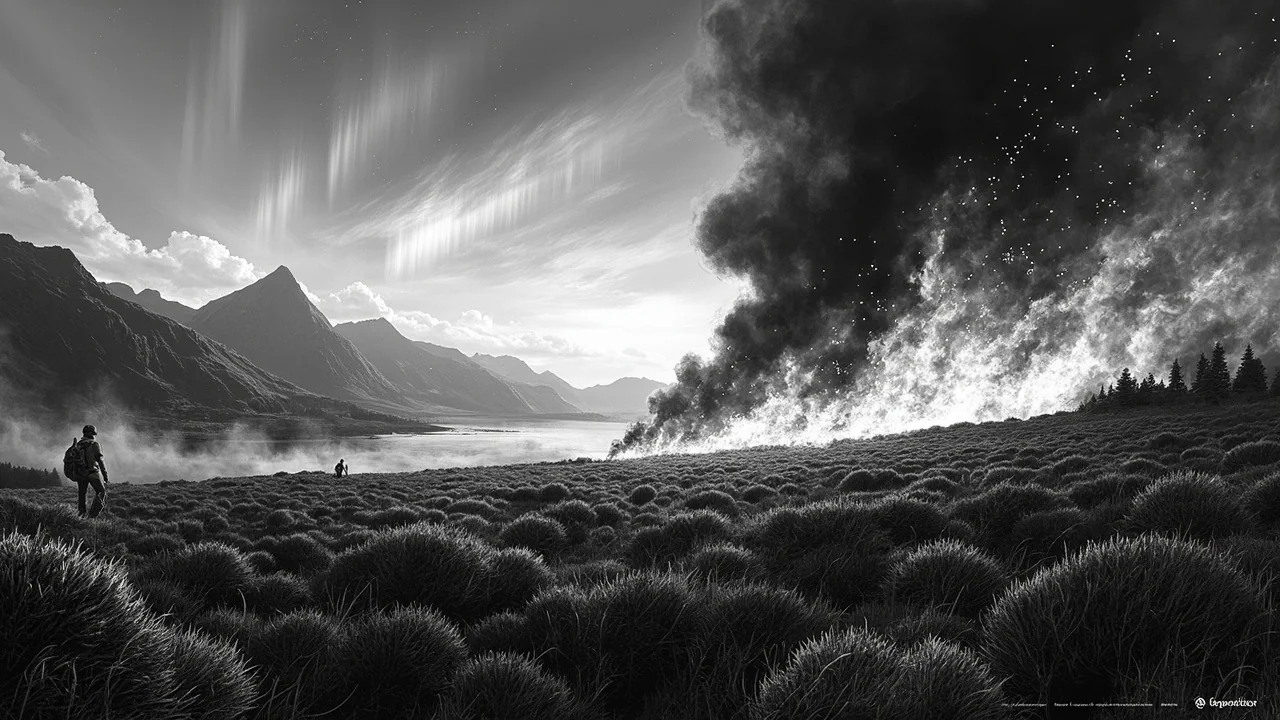
Norway's 110 emergency center fielded multiple calls Saturday as residents spotted large plumes of smoke rising from the Øygarden coastline. The reported fires, however, were part of a coordinated and controlled land management effort, authorities confirmed. Local residents with permits were conducting 'lyngsviing'—the traditional burning of old heather to encourage new growth. A separate, smaller fire involving an excavator in the same municipality also drew an emergency response.
Controlled Burns Cause Public Concern
Tore Fanebust at the 110 emergency center confirmed the high volume of calls began around noon on Saturday. 'It is local people who have permission for heather burning. They are burning off old heather in the area,' Fanebust said. The primary activity was focused around Ørnafjellet in Fjell and at Oksneset in Øygarden. Fanebust emphasized that while the fires were highly visible, the individuals conducting the burns were in control and in direct contact with emergency services. The heather burning covered an area of approximately 30 by 30 meters, according to officials who stated there was no risk of further spread and that crews were damping down the site.
Separately, an Excavator Catches Fire
Amidst the notifications about the controlled burns, the emergency center also received a report of a fire involving an excavator in Øygarden. Tore Fanebust provided an update on this incident, stating, 'There are no reports of personal injuries. The fire department is on its way to the scene.' This incident appeared unrelated to the planned vegetation management activities. Details on the cause or extent of the machinery fire were not immediately available.
University Advises Remote Work Due to Air Quality
The smoke from the burns had a tangible impact on air quality in the broader region. The University of Bergen issued a recommendation for all staff to work from home starting Monday. The advisory applied to employees who could not walk, cycle, or use public transport to get to work and who did not have tasks requiring physical presence on campus. Rector Margareth Hagen urged staff to follow the recommendation, which will remain in effect until the municipality provides new information. This move highlights the significant localised effect such controlled burns can have on air conditions, even when safely managed.
Heightened Fire Risk Across the Region
The activities coincided with an official yellow-level danger warning for forest and vegetation fires on Norway's Vestland coast, issued by the Meteorological Institute. The warning stated there was a 'local grass- and heather-fire danger in snow-free areas until significant precipitation arrives.' It noted that vegetation could be easily ignited and that large areas could be affected. This elevated risk context explains the heightened public vigilance and the swift response from individuals spotting smoke, even from permitted burns.
Understanding the Practice of Heather Burning
Heather burning, or 'lyngsviing,' is a longstanding agricultural and environmental practice in Norway. It is used to clear old, woody heather which provides poor grazing, encouraging the growth of fresh, young shoots that are more nutritious for livestock like sheep. The practice also helps prevent the accumulation of excessive fuel loads that could lead to catastrophic wildfires later in the season. It is strictly regulated, requiring permits and only being allowed during specific times of the year when conditions—such as wind speed and moisture levels—are deemed safe to prevent accidental spread. The events in Øygarden demonstrate this process in action, where permitted locals conducted the burns under controlled circumstances, yet the visible smoke inevitably triggered public concern.
An Unrelated Police Incident
In an unrelated matter from the previous evening, local police provided details on an arrest. A man in his 20s was apprehended on Friday night. 'The man is charged with breach of a visitation ban. There is an aggrieved party,' said duty lawyer Merete Sundal. The man was expected to be questioned during the day, with a decision on remand pending. Additionally, emergency services responded to a report of smoke in an apartment on Løbergsveien on Saturday morning after alerts from neighbors. These incidents, reported alongside the fire updates, depict a routine day for the region's emergency response networks, handling a range of calls from controlled burns to domestic incidents.
Balancing Tradition and Public Safety
The simultaneous events in Øygarden underscore the constant balance between traditional land management and modern public safety concerns. While the heather burns were legal and controlled, they occurred during a period of officially heightened fire risk, leading to understandable alarm. The proactive communication from the 110 center was crucial in preventing unnecessary deployment of resources to the permitted burn sites, allowing them to focus on the unplanned excavator fire. The university's subsequent air quality advisory further shows the wider civic consideration required for such practices. As climate patterns shift, the window for safe execution of these traditional methods may become narrower, increasing the potential for public concern when they are undertaken.