
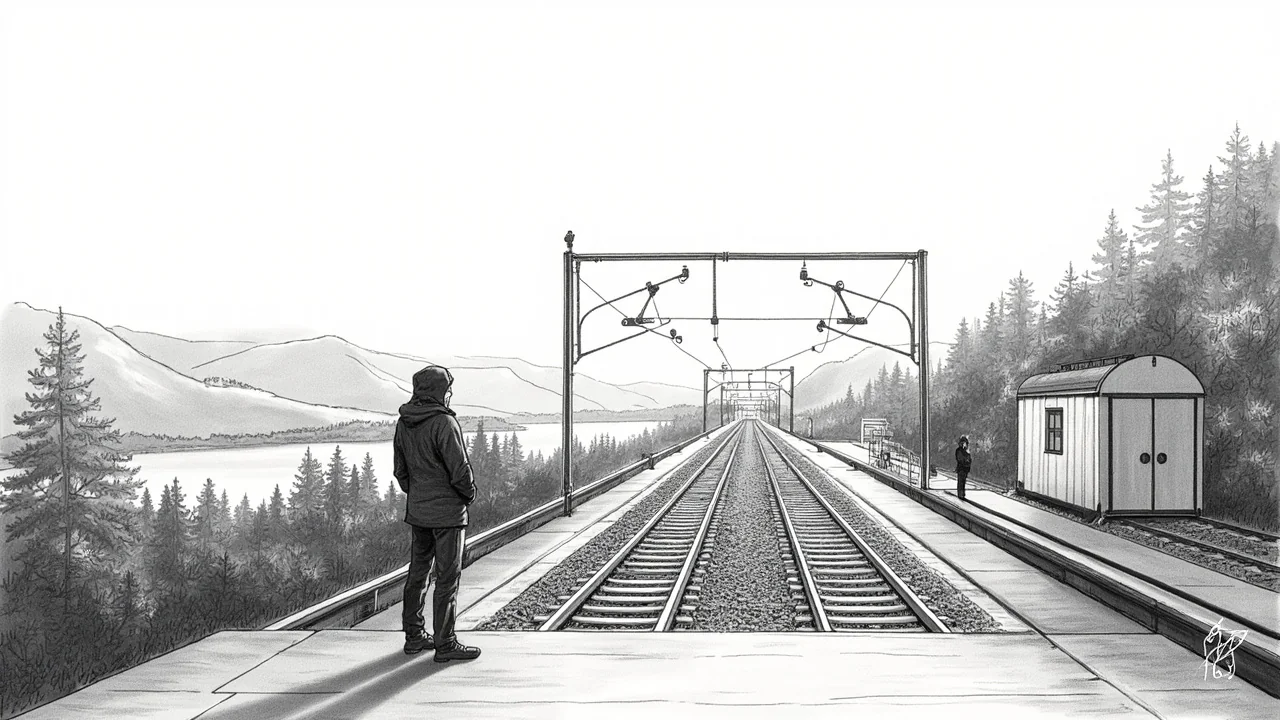
Norway's state railway operator Bane Nor will close the Vestfold Line for six weeks of overnight maintenance, disrupting a key commuter and freight corridor southwest of Oslo. The work on the line between Drammen and Stokke begins on Sunday, February 15, and continues through Friday, March 27, each night from 1:00 AM to 5:00 AM. National rail operator Vy will replace all affected train services with buses for the duration of the overnight work.
Details of the Planned Disruption
The closure is part of Bane Nor's ongoing infrastructure maintenance program, essential for ensuring long-term reliability on one of Southern Norway's busiest stretches of track. The Vestfold Line is a critical link, connecting coastal communities in Vestfold county to the national rail network via the major hub of Drammen, which itself has direct services to Oslo. The specific work to be conducted during the 4-hour nightly windows was not detailed in the initial announcement, but such projects typically involve track renewal, signal system upgrades, or bridge and tunnel inspections. The timing is designed to minimize impact on the bulk of daily passenger and freight traffic, which peaks during daytime and evening hours. Commuters and other travelers using the first early morning services should, however, expect significant delays and a less direct route.
A Vital Historical Corridor
The Vestfoldbanen holds a significant place in Norway's transport history. Originally opened in 1881, the line was crucial for connecting the agricultural, maritime, and later industrial regions of Vestfold to the capital. Today, it serves a dual purpose: facilitating daily passenger travel for workers and students commuting into the Oslo metropolitan area, and handling freight traffic to and from the ports along the Oslofjord. The section between Drammen and Stokke is particularly important as it forms part of the main line south from the capital region. Its reliability directly impacts economic activity in several municipalities. Periodic maintenance closures, while disruptive, are a standard operational necessity for an aging rail network facing increasing demand. Bane Nor schedules dozens of similar projects across the country each year, often during summer or holiday periods to reduce passenger impact.
The Commuter and Freight Impact
For the estimated thousands of daily users, the replacement bus service will alter their normal schedules. Travel by bus between rail stations typically takes longer than direct train travel, due to road routes and multiple stops. Vy has stated it will provide sufficient bus capacity to handle the expected passenger load during the overnight and early morning hours. Travelers are advised to check the Vy app or website for updated schedules and specific boarding locations at each station. For freight operators, the nightly closure creates a scheduling bottleneck. Goods trains that normally operate through the night to avoid congesting passenger lines will need to be rerouted or their timetables adjusted, potentially causing ripple effects across the national logistics chain. The closure highlights the constant balance Bane Nor must strike between necessary infrastructure upkeep and minimizing disruption to Norway's transport-dependent economy.
Broader Implications for Rail Infrastructure
This project on the Vestfold Line is a microcosm of the wider challenges facing Norway's rail infrastructure. Much of the network, especially lines radiating from Oslo, requires substantial and continuous investment to maintain safety standards and improve punctuality. The state budget allocates billions of kroner annually to Bane Nor for maintenance and modernization. Targeted, time-limited closures like this one are a cost-effective method for completing essential work, but they test public patience. The success of such projects is often measured not just by the engineering work completed, but by the effectiveness of the communication and replacement transport services provided. Both Bane Nor and Vy will be under scrutiny to ensure the six-week operation proceeds smoothly. A poorly managed closure could lead to louder calls for more resilient infrastructure investments that require less disruptive maintenance, such as double-tracking key sections or deploying newer, faster construction techniques.
Looking Beyond the Closure
The conclusion of the work on March 27 is not the end of the story for the Vestfold Line. Bane Nor has a long-term strategy for the corridor, which includes discussions about future electrification upgrades and capacity improvements to handle projected growth in passenger numbers. The data gathered and the performance of the line following this maintenance period will inform those future plans. For regular users of the line, the immediate hope is for a reliable and punctual service once the overnight work is complete. The temporary inconvenience of bus transfers is the price paid for that expected improvement in daily operations. As Norway continues to push for a modal shift from road to rail to meet its climate goals, the reliability of core lines like the Vestfoldbanen becomes ever more critical. This six-week nightly project is a small but necessary step in that larger national effort.