
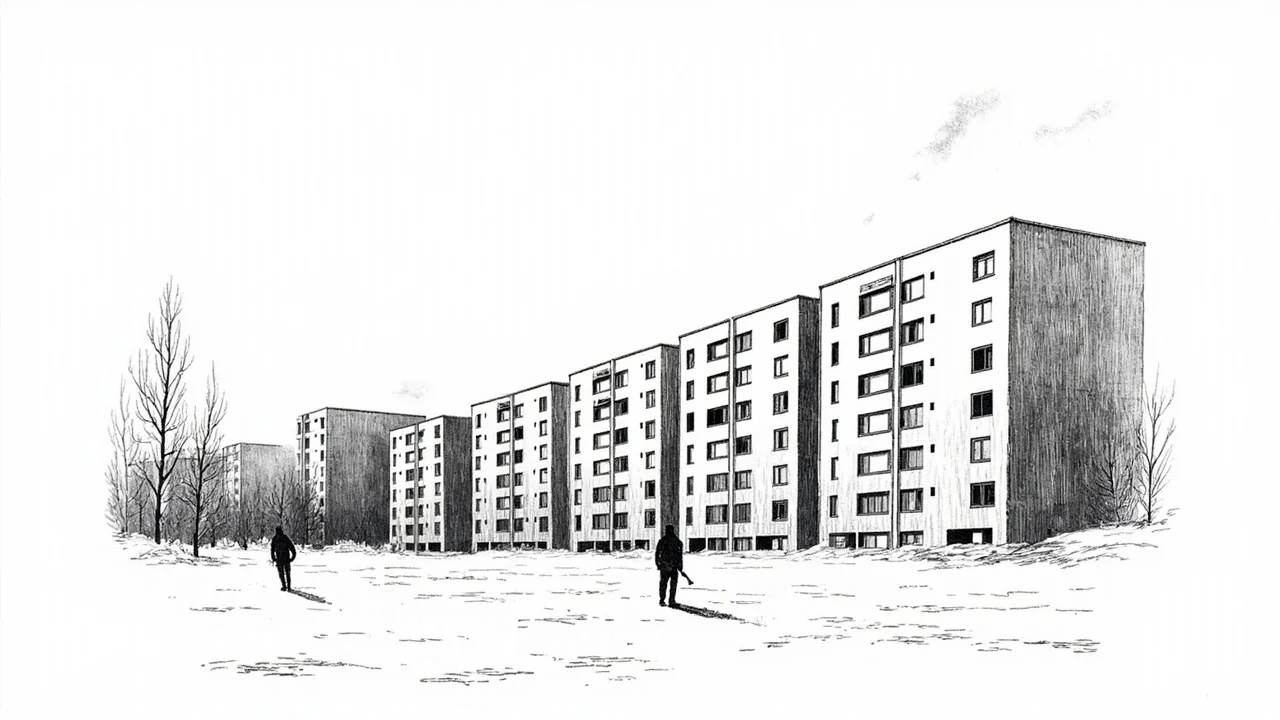
Norway's student housing organizations are reporting over 1,600 empty beds this February. This vacancy comes despite a documented national shortage of approximately 14,000 student homes. The situation reveals a stark seasonal imbalance and shifting student priorities that are challenging traditional housing models.
The Spring Vacancy Spike
Data collected from student welfare organizations across the country shows significant regional variation. While Oslo maintains a near-full occupancy rate with only 50 beds (0.5%) vacant, other areas face high vacancy rates. Østfold has the highest percentage, with 294 empty beds representing 27.35% of its stock. In Indre Finnmark, 4 out of 24 beds are free, a 16.67% vacancy rate. Molde has 53 empty beds (12.68%), and Volda has 50 empty (8.04%).
These numbers represent available dwelling units, not individual rooms. Some vacancies, like those reported by the Agder student welfare organization, are due to ongoing renovations closing units temporarily.
Free Dinners and Creative Incentives
In Sogndal, where 30 beds (over 10% of the local stock) stand empty, the student welfare organization Saman is testing a novel incentive. To attract tenants for empty rooms starting in April, they are offering ten free dinners from the organization's canteen to new renters. The initiative was first reported by local media.
“We are trying to attract those students who already live privately,” said the organization's contact for authorities and community relations. The goal is to draw students out of the private rental market and into the student housing system, even mid-semester.
The Student Perspective: Freedom Over Convenience
For many students, the decision to leave student housing is deliberate. Sara Bruvik, a 24-year-old student from Tromsø studying in Sogndal, moved from student housing into a privately rented collective last autumn. She plans to stay there until she finishes her studies.
“It's much more homey and cozy here than where I lived before,” Bruvik said. She emphasized the social appeal of her private collective, noting, “It's the best place I have lived, and I have never spent so little time in my room before now. We have gotten so much feedback that people think it's incredibly cozy here.”
Her experience highlights a key driver behind the spring vacancies: the desire for autonomy and a different living environment than standard student housing provides.
Explaining the Seasonal Imbalance
Multiple student welfare organizations point to fewer exchange students arriving in the spring semester as a primary contributor to empty beds in several cities. The academic calendar creates a surge in demand each autumn, with new cohorts and international students arriving, which then recedes by spring. This cyclical pattern leaves housing built for peak annual demand underutilized for part of the year.
However, the Norwegian Student Organization maintains that the fundamental issue is a structural deficit. They argue the country still lacks 14,000 student homes. They state these dedicated beds are crucial for putting downward pressure on prices in the private rental market. The empty beds in spring, therefore, exist within a broader context of annual scarcity.
The Road Ahead
The challenge for Norway's student housing sector is twofold. First, it must continue to address the critical long-term shortage, particularly in high-pressure cities like Oslo. Second, it must adapt to changing student expectations to ensure its offerings remain competitive with the private rental market year-round.
The spring vacancies are more than just a statistical anomaly. They are a signal from students themselves about the kind of living environments they value. As the academic landscape evolves, so too must the approach to housing the next generation of students. The empty beds are not just a management problem for housing organizations, they are an invitation to innovate.
Will other cities follow Sogndal's lead with creative incentives? Can housing models become more adaptable to reduce seasonal waste? The answers to these questions will shape the future of student living in Norway.