
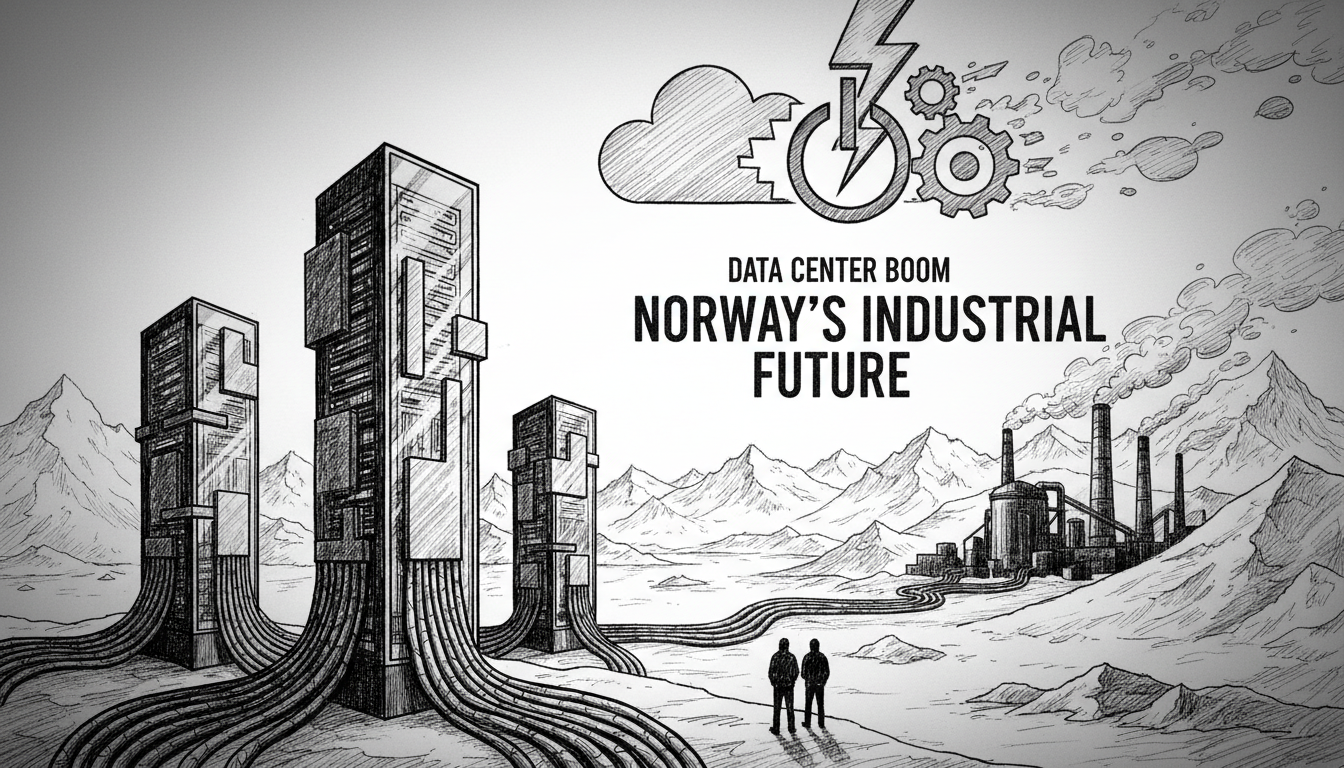
A new report on Norway's energy landscape reveals a growing tension. The rapid expansion of data centers now challenges the nation's traditional power-intensive industries. These facilities consume vast amounts of electricity. Their growth could threaten the historically low power prices that have supported Norway's industrial base for decades.
Recent figures from the Norwegian Water Resources and Energy Directorate show a sharp increase. Data center electricity consumption in Norway reached approximately 2.1 terawatt-hours in the last full year. Projections indicate this sector's share of national power use will double within the next few years. It is expected to reach 2.3 percent of Norway's total consumption.
The report highlights a critical infrastructure concern. The massive energy demands of data centers place significant pressure on the national power grid. This pressure could limit electricity access for traditional manufacturing and processing plants. The situation raises fundamental questions about Norway's industrial policy. Officials are now debating whether to introduce a national licensing scheme for new data center projects. The goal would be to manage growth and protect existing industry.
This development sits at the heart of Norway's digital transformation. The country has actively positioned itself as a Scandinavian tech hub, attracting major cloud providers and Norwegian tech startups with its cool climate and renewable hydropower. Oslo innovation news often highlights new data center investments in tech districts like Fornebu. However, this success creates a direct conflict with the foundation of Norway's economy: energy-intensive sectors like metals, chemicals, and fertilizers.
The debate is not just about megawatts. It is about the type of economy Norway wants to build. Data centers bring investment and a high-tech profile but relatively few permanent jobs compared to traditional factories. The push for a licensing system reflects a desire to steer this Nordic technology trend. Policymakers must balance the allure of becoming a global data hub with the need to sustain core industries that employ thousands across the country.
For international observers, this is a classic case of modern economic growing pains. Norway's abundant green power was supposed to be an unlimited asset. Now, it is becoming a contested resource. The outcome will signal how seriously the country takes its industrial heritage versus its digital ambitions. The discussion will influence everything from local electricity bills to the strategies of Oslo-based innovation labs. The next few quarters will be crucial for setting a long-term direction.