
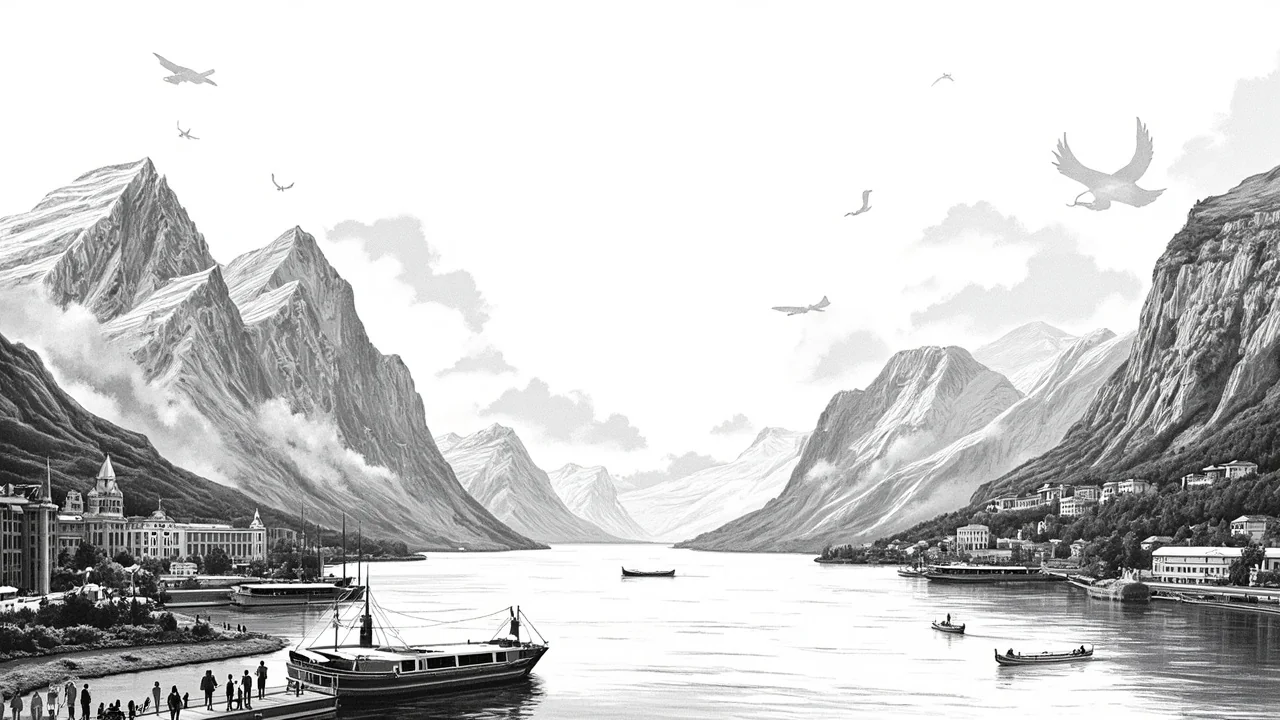
Norway has launched a major initiative to unite the Nordic region for a coordinated travel offering. The project brings together Sweden, Denmark, Finland, and Iceland. It aims to create a comprehensive journey across Scandinavia. The announcement was made by Norwegian tourism officials just hours ago. Interest is expected to surge within the next 24 hours.
This collaborative effort marks a strategic shift in regional tourism promotion. Previous joint campaigns were more limited in scope. This initiative represents the most comprehensive cross-border travel project to date. It comes as international travel demand continues its strong recovery post-pandemic. Travelers are increasingly seeking immersive, multi-destination experiences.
Norwegian Minister of Tourism Linda Hofstad Helleland announced the project. She said the initiative demonstrates strong bonds between Nordic countries. It shows a shared commitment to promoting regional beauty and culture. The minister believes this will transform travel across Scandinavia. The official launch is scheduled for early 2026.
For Nordic residents, this project offers substantial economic potential. Tourism is a crucial sector for all participating nations. Norway's fjords, Sweden's archipelagos, and Iceland's volcanic landscapes attract millions. A unified approach could simplify logistics for international visitors. It might also distribute tourist traffic more evenly across the region.
Local businesses in Oslo, Stockholm, Copenhagen, Helsinki, and Reykjavik stand to benefit. Hotels, restaurants, tour operators, and transportation services could see increased demand. The initiative requires significant coordination between national tourism boards. They must align marketing, develop travel packages, and improve cross-border infrastructure.
Historical context shows Nordic countries have cooperated on tourism before. The Nordic Council of Ministers has funded joint marketing campaigns. The 'Nordic Region' brand has been promoted internationally for decades. However, this new effort appears more ambitious and integrated than previous collaborations.
The political dimension is worth noting. Tourism cooperation strengthens diplomatic and economic ties between Nordic nations. It reinforces the concept of 'Nordic cooperation' that has defined regional politics since World War II. The initiative also arrives as global tourism becomes increasingly competitive. Destinations must offer unique, well-organized experiences to attract visitors.
Practical implementation will be challenging. Travelers currently face different visa requirements, currencies, and transportation systems. Finland uses the euro while others have their own currencies. Iceland is not part of the EU's Schengen area like the others. Creating a truly seamless experience requires addressing these complexities.
Environmental considerations will likely play a role. Sustainable tourism is a priority across Scandinavia. Norway promotes electric vehicle travel and eco-friendly accommodations. Sweden emphasizes 'flygskam' or flight shame to reduce carbon emissions. The unified travel initiative will need to balance accessibility with environmental responsibility.
What happens next? Tourism officials from all five countries will begin detailed planning. They will develop specific travel packages, marketing campaigns, and digital platforms. Infrastructure improvements might include better rail connections or simplified border procedures. The goal is to present Scandinavia as a single, diverse destination rather than five separate countries.
This initiative reflects broader trends in global tourism. Travelers increasingly want authentic, culturally rich experiences over generic vacations. Scandinavia's reputation for design, nature, and quality of life gives it a strong position. The coordinated approach could set a new standard for regional tourism cooperation worldwide.
The success of this project will depend on execution. Can five sovereign nations with different policies create a truly unified experience? Will the benefits reach beyond capital cities to smaller communities? These questions will determine whether this ambitious vision becomes a transformative reality for Nordic tourism.