
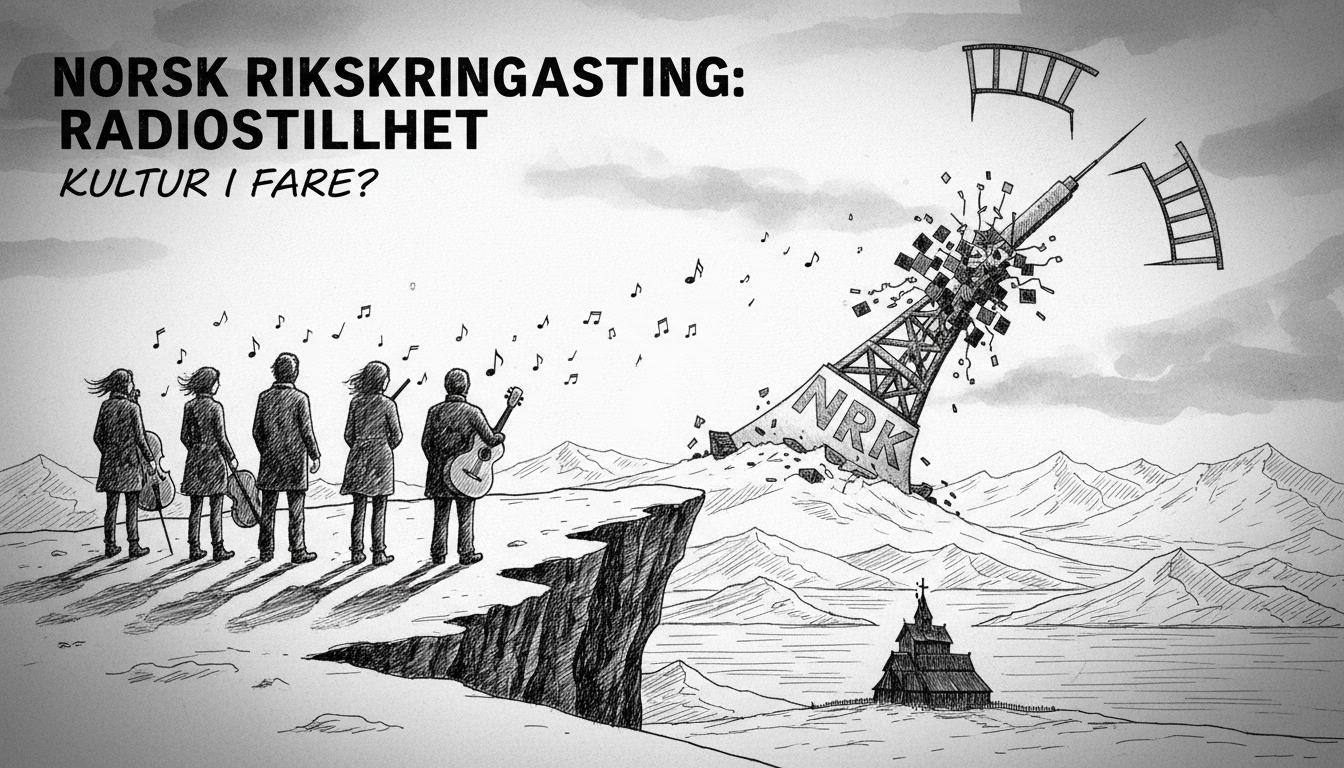
Norwegian public broadcaster NRK is eliminating several well-known radio programs. The programs will be replaced by full-format shows with music selected by central editorial teams. This decision follows recent changes to music profiles across multiple NRK radio channels.
The broadcaster recently altered music programming on P2, NRK Klassisk, and P3 Musikk. These stations previously operated as P13. The programming shift has generated strong opposition from Norway's music industry.
Seventy music organizations signed a petition protesting the changes. They argue the move will reduce musical diversity on public airwaves. Many artists and producers fear losing important platforms for Norwegian music.
NRK's music director Mats Borch Bugge defended the decision. He stated that continuing with previous programming would make the broadcaster backward-looking. The changes aim to create more cohesive listening experiences across stations.
This restructuring reflects broader challenges facing public broadcasters worldwide. Many are struggling to balance tradition with evolving listener habits. Digital streaming services have transformed how people discover and consume music.
Norwegian public broadcasting operates under strict cultural mandates. NRK must balance popular appeal with cultural preservation. The current controversy highlights tensions between these competing priorities.
The programming changes could significantly impact Norway's music ecosystem. Public radio has historically provided crucial exposure for emerging artists. Many Norwegian musicians built their careers through NRK airplay.
Industry professionals worry about reduced opportunities for local talent. Centralized music selection might favor established international acts. This could marginalize niche genres and regional music scenes.
Similar debates have occurred in other Nordic countries. Sweden's public broadcaster recently faced criticism for reducing specialized programming. Denmark's DR has also streamlined music offerings in recent years.
These changes come as younger audiences increasingly migrate to digital platforms. Public broadcasters must adapt while maintaining their cultural responsibilities. The balance between curation and creative freedom remains challenging.
What does this mean for Norway's cultural landscape? The reduction of curated programs might homogenize musical offerings. Listeners could encounter less experimental or regional content. Yet centralized programming might create more consistent station identities.
The controversy underscores ongoing debates about public media's role. Should broadcasters lead audience tastes or follow them? How much should market pressures influence public service programming?
These questions have no simple answers. The coming months will reveal how listeners and artists adapt to NRK's new direction. The broadcaster's choices may influence similar decisions across the Nordic region.