
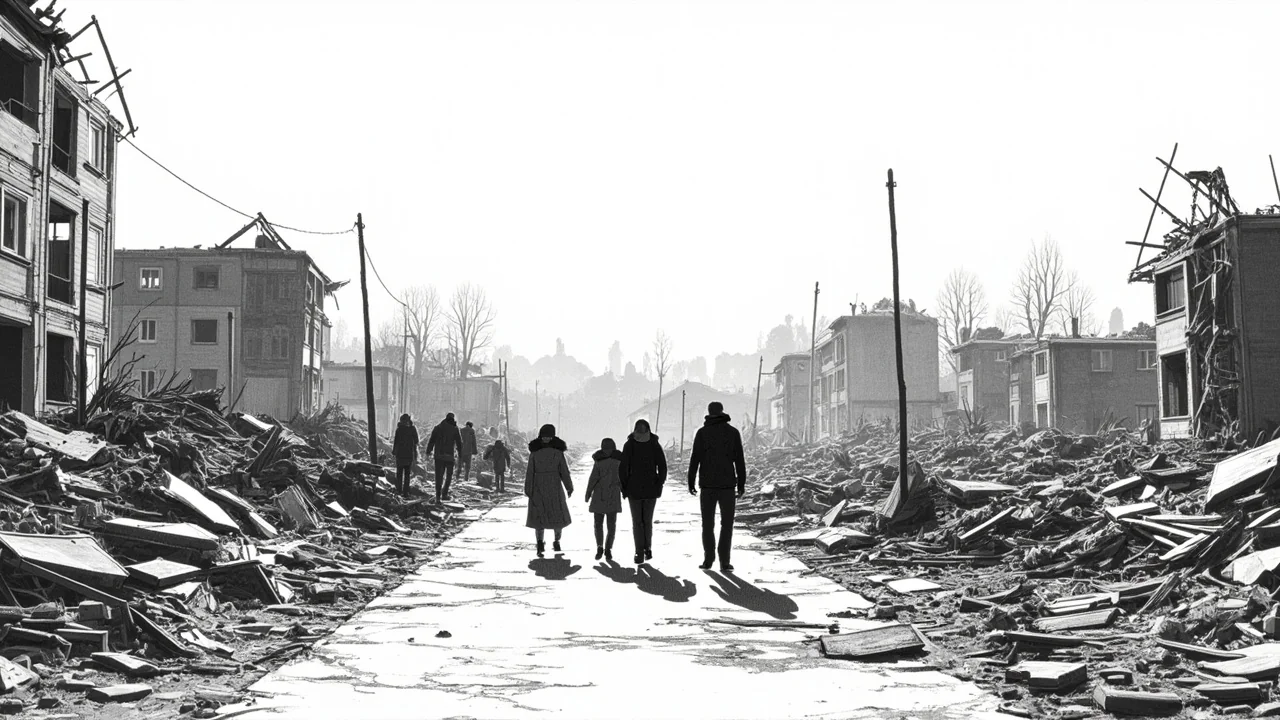
A gang-related explosion in Odense has displaced 11 Danish families for an entire year, exposing how organized crime violence ripples through Denmark's social housing system. The February 1 blast at Korsløkkeparken will cost 12-15 million kroner to repair, forcing residents into temporary hotel accommodation while their lives remain on hold.
When Gang Wars Hit Social Housing
The explosion targeted a building in Korsløkkeparken, a 1,144-unit social housing complex that Denmark's government removed from its official "ghetto list" just three years ago. Jacob Michaelsen, director of Fyns Almennyttige Boligselskab (Funen's Public Housing Company), described catastrophic structural damage: blown-out doors throughout the building, a lifted roof, and staircases torn from walls.
This incident reveals a harsh reality about Denmark's integration success stories. Korsløkkeparken underwent extensive renovation between 2017-2020, transforming into modern apartments with large balconies and community facilities. Yet the area remains vulnerable to gang conflicts, with this explosion reportedly linked to revenge between Loyal to Familia and the local Korsløkkegruppen.
The one-year displacement timeline reflects Denmark's strict building safety standards, but also highlights how gang violence can instantly unravel years of social investment. According to Fyens Stiftstidende, the structural damage includes twisted masonry that compromises the entire building's integrity.
The Real Cost of Gang Conflicts
Beyond the 12-15 million kroner reconstruction bill, this explosion demonstrates how criminal conflicts impose hidden costs on Denmark's welfare system. The 11 evacuated families now require long-term hotel accommodation, emergency school transfers for children, and social services coordination. These indirect costs rarely appear in crime statistics but strain municipal budgets across Danish cities.
Denmark's approach to gang violence has shifted toward prevention and community investment, yet incidents like this show the limits of social policy when criminal networks operate across housing areas. Per Ekstrabladet reporting, no residents were injured, but the psychological and economic trauma will persist long after reconstruction.
The timing is particularly notable. Korsløkkeparken's removal from the ghetto list in 2021 represented a policy victory for Danish integration efforts. Now, one criminal act has effectively reversed years of progress, forcing families back into temporary, unstable housing situations.
What This Means for Danish Housing Policy
This explosion will likely accelerate discussions about security measures in social housing areas that have been "upgraded" off Denmark's problem lists. The incident proves that physical renovation alone cannot insulate communities from organized crime spillover effects.
Expect Danish municipalities to demand additional security funding for recently delisted housing areas, particularly those with ongoing gang presence. The one-year reconstruction timeline also suggests stricter building standards may extend displacement periods for future incidents, creating pressure for faster emergency housing solutions.
Read more: Denmark Expands Ankle Monitor Sentences to One Year.
Read more: Heavy Police Presence Locks Down Central Odense.
Read more: Homeowners Hit With Illegal $100K Tax Bill—No One Investigat....