
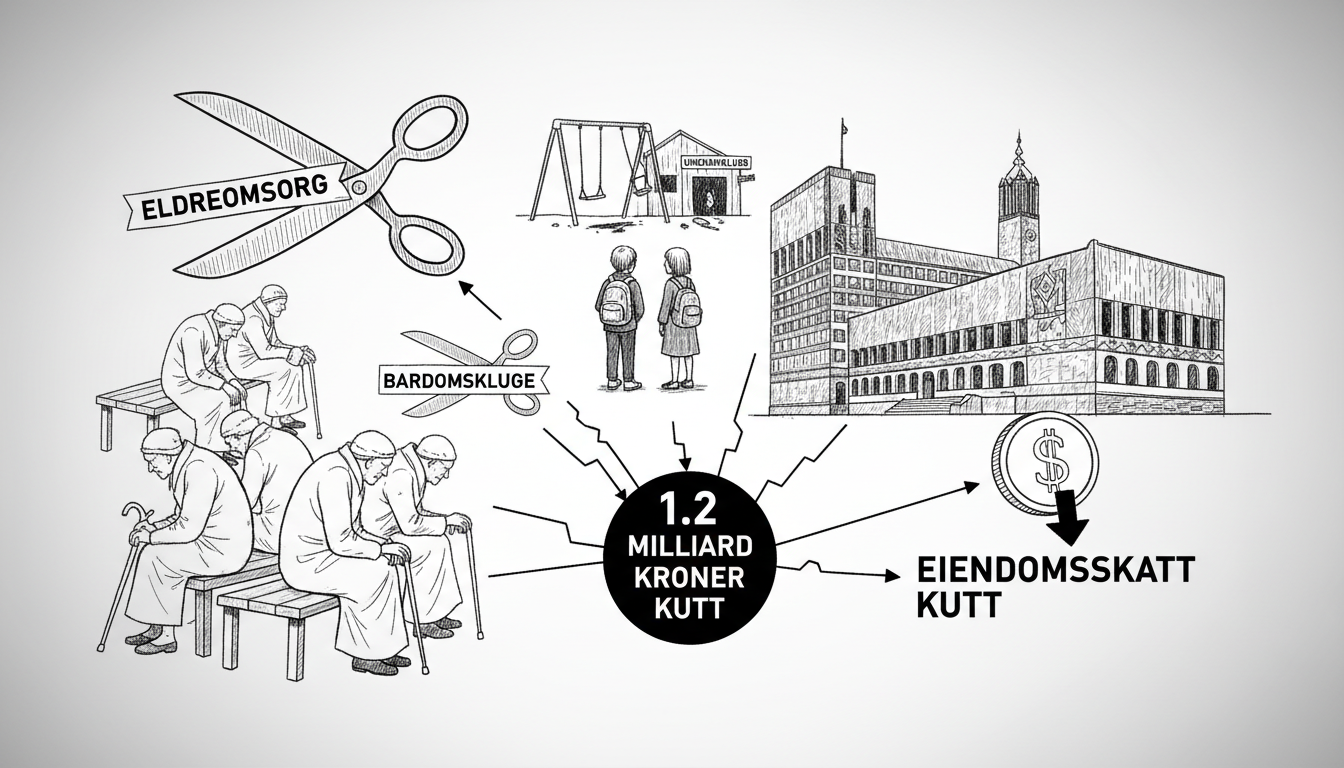
Oslo's fifteen administrative districts must cut 1.2 billion Norwegian kroner from their budgets. This substantial reduction will directly impact services for both young and elderly residents across the capital. District directors describe the situation as requiring a major 'restructuring need' of 1.23 billion kroner. The cuts come as the city's left-leaning coalition government proceeds with plans to reduce property tax rates. This policy shift effectively transfers financial pressure from city hall to local districts.
Marthe Scharning Lund of the Labour Party expressed deep concern about the consequences. She said the city council is passing the bill for the property tax cut down to the districts. Lund highlighted the value of community activities for seniors. She noted these programs keep people active in their later years. The proposed cuts threaten this social infrastructure.
The budget proposal includes several specific reductions. It allocates less money for kindergarten staff and special needs educators. It shortens opening hours for public services. The plan removes support for senior centers and youth leisure activities. It cuts funding for volunteer organizations in multiple districts. Further proposals include reductions in child welfare services and home care assistance.
Health Commissioner Saliba Korkunc of the Conservative Party acknowledged the difficulty. He stated the districts simply have no choice. Korkunc said they would very much like to have more money available. He described the cuts as incredibly demanding for the entire municipality. Korkunc pointed to a broader financial context. Oslo has lost nearly 3 billion kroner in revenues in recent years. A recent budget negotiation may provide some additional funds. These potential increases are not yet reflected in the current proposal.
This situation reveals a tension in Norwegian municipal governance. Local districts bear responsibility for delivering vital welfare services. Yet they possess limited control over their own revenue streams. The property tax cut, decided at the city level, creates an unfunded mandate for districts. They must now find savings where they can, often in direct public services.
The political calculus here is clear. Reducing property tax is popular with homeowners and may stimulate the housing market. The negative consequences, however, are felt most acutely by vulnerable groups who rely on public support. This is a classic redistribution challenge. The benefits of the tax cut are diffuse and financial. The costs are concentrated and social, affecting childcare, eldercare, and youth programs.
Oslo's financial pressures are not unique. Many Norwegian municipalities face similar strains from rising costs and fixed revenues. The situation in the capital is often a bellwether for trends nationwide. How Oslo manages this budget crisis will be watched closely by other local governments. The final budget decisions will show where the city's true priorities lie when forced to choose between tax relief and social welfare.