
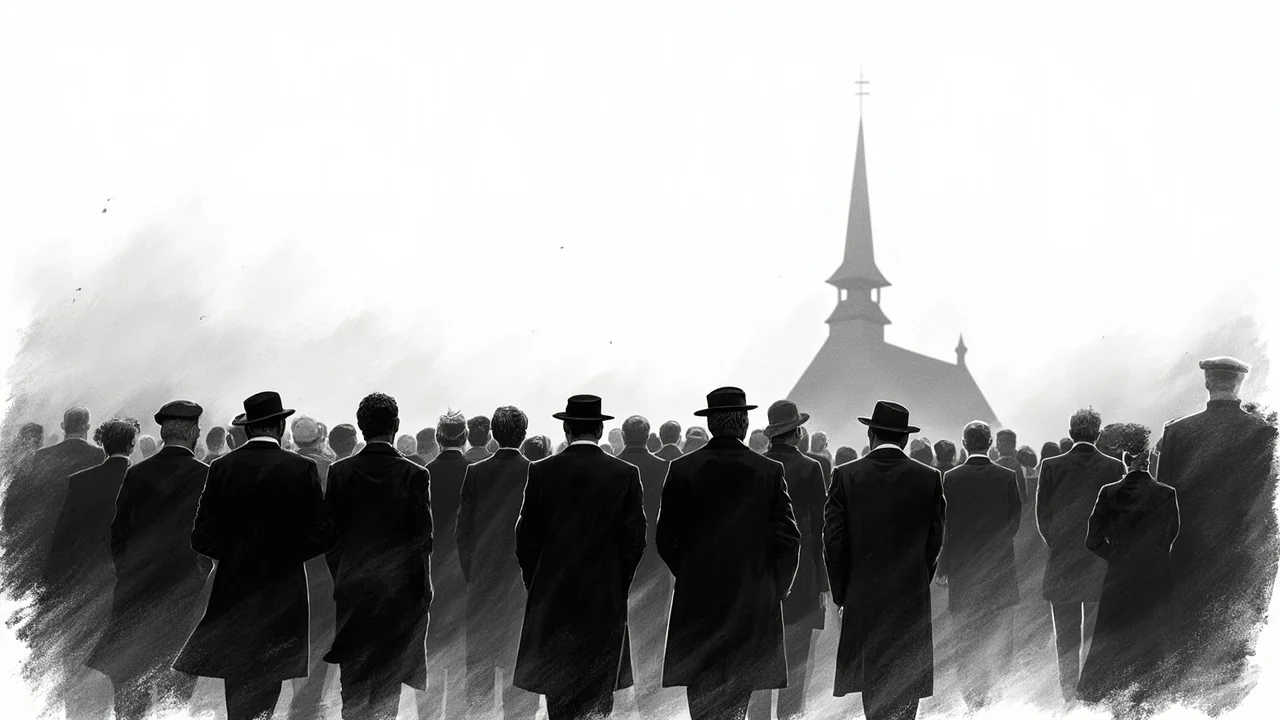
Sweden's royal court has announced the funeral for Princess Désirée will be held on February 19 in Stockholm. The ceremony takes place at Slottskyrkan in the Royal Palace with a private reception to follow. This event highlights the intersection of royal traditions and state protocols managed by the Swedish government.
The Official Announcement
Princess Désirée, sister of King Carl XVI Gustaf, died on January 21 at her home on Kobergs Castle in Västergötland. The royal court confirmed the burial date in a formal statement this week. It stated the funeral will be for family and specially invited guests only. This aligns with the family's wishes for a private ceremony.
The service will be followed by a reception at Princess Sibylla's apartment. That location was Princess Désirée's childhood home in the royal precincts. Several official buildings will fly flags at half-staff on the day. They include the Royal Palace, Drottningholm Palace, and Haga Castle.
Historical Royal Protocols
Royal funerals in Sweden are governed by long-standing protocols. These often involve coordination with the Swedish government and relevant agencies. Historical Riksdag decisions have shaped the monarchy's role in state ceremonies. For instance, past legislation outlines the use of royal palaces for such events.
The Swedish Parliament has periodically reviewed funding and logistics for royal occasions. This funeral will likely follow established guidelines from government policy Sweden. The locations like Slottskyrkan and the government districts near Rosenbad are central to these arrangements.
Princess Désirée's life spanned decades of change in Swedish society. She was born in 1938 and married Baron Niclas Silfverschiöld in 1964. Her role was largely ceremonial but part of the royal family's public duties. These duties are often supported by state resources approved by the Swedish government.
Government and Monarchy Intersections
The management of royal events requires seamless cooperation between the court and state bodies. The Hovförvaltningen, or Royal Court Administration, works within frameworks set by the Swedish government. Stockholm politics can influence how such events are perceived and funded.
Key Riksdag decisions over the years have defined the monarchy's constitutional position. This funeral is a reminder of those ongoing relationships. The flag protocol at buildings like Hovstallet and Villa Solbacken is a visible sign of state involvement.
Princess Désirée's passing marks the end of an era for the royal family. She was one of the king's three sisters and maintained a relatively low public profile. Her funeral arrangements reflect a blend of personal privacy and public ceremony. This balance is often debated in Swedish Parliament discussions on monarchy reform.
Ceremony Details and Logistics
The funeral will be held on Thursday, February 19, at Slottskyrkan. This chapel is within the Royal Palace in Stockholm. After the service, the private reception at Princess Sibylla's apartment will host close relatives. The court has not released a list of attendees or further program details.
Flags will be at half-staff at specified royal and administrative buildings. These include Hovförvaltningens hus and other sites tied to the monarchy. This practice follows state protocols that the Swedish government oversees for official mourning periods.
Kobergs Castle, where Princess Désirée died, is a private residence in Västergötland. It has been in the Silfverschiöld family for generations. Her death there underscores the personal side of royal life away from Stockholm politics.
The funeral's private nature contrasts with some past royal ceremonies. It may signal a modern approach to royal events in Sweden. This approach can be linked to broader government policy Sweden on transparency and public expenditure.
Reflecting on Royal Traditions
Princess Désirée's funeral comes at a time when the monarchy's role is periodically assessed. The Swedish government and Riksdag decisions continue to shape its future. Events like this highlight the delicate balance between tradition and contemporary values.
Historical context shows that royal funerals have evolved with societal changes. Past ceremonies have involved state elements managed from the Riksdag building and Rosenbad. This one appears more intimate but still follows established state protocols.
The use of Slottskyrkan connects to centuries of royal history in Stockholm. It is a site for both religious services and state occasions. This duality reflects the monarchy's intertwined relationship with Swedish governance.
As Sweden prepares for this funeral, it is a moment to consider the monarchy's place. How do such events fit into modern Swedish society governed by the Swedish Parliament? The answers lie in ongoing dialogues between royal institutions and elected bodies.
Princess Désirée's legacy is part of Sweden's royal narrative. Her funeral will be a quiet tribute amidst the bustling government districts of Stockholm. It serves as a reminder of the personal dimensions behind public figures.
The arrangements demonstrate efficiency and respect from both the royal court and state agencies. They show how Swedish government structures support ceremonial functions. This cooperation is essential for maintaining national traditions.
In conclusion, the funeral on February 19 will be a significant but subdued event. It honors Princess Désirée's life while adhering to protocols shaped by Riksdag decisions. The Swedish government's role in such occasions remains a backdrop to the personal mourning of a family.