
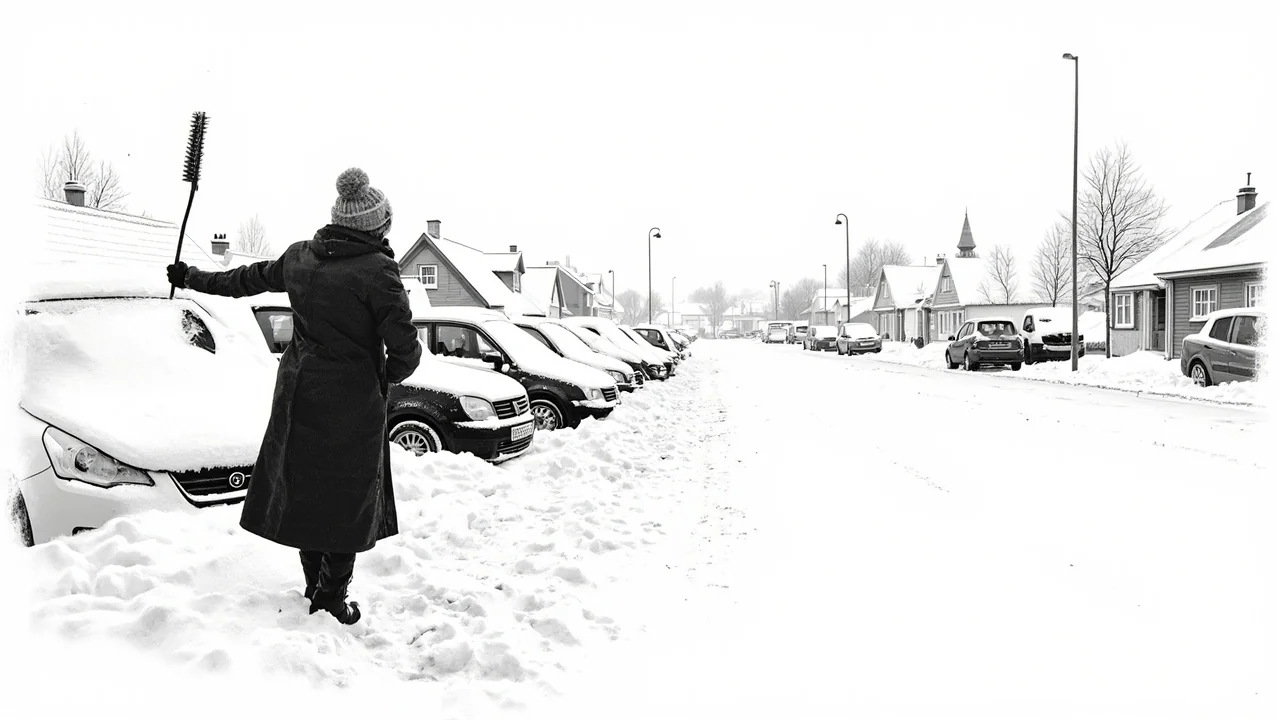
Sweden's winter parking rules can be confusing when snow blankets the streets. Many drivers wonder if the regulations change with the season. According to officials from multiple municipalities, the answer is both simple and nuanced. The basic traffic rules remain the same, but snow creates new practical challenges that both drivers and enforcers must navigate.
The Official Rule Doesn't Change
Nils-Erik Selin, a municipal planning chief, stated the core principle clearly. "It's the same rules that apply in winter as during the rest of the year," he said. This means all standard parking prohibitions remain in force. You cannot block driveways, park too close to intersections, or stand in areas marked with no-parking signs, regardless of snowfall. The law, as defined by the Swedish Transport Administration, is consistent. However, the blanket of white can obscure curbs, signs, and road markings, creating a grey area for drivers trying to interpret where the legal parking zone begins and ends.
Understanding Discretion and Enforcement
While the rules are static, enforcement can involve a degree of understanding. Municipalities have indicated there are situations where they show leniency. The key is intent and obstruction. If a car is clearly and safely parked in a legitimate spot that has simply been obscured by a snowdrift, it may be treated differently than a vehicle parked blatantly in the middle of a narrowed roadway. The primary concern for traffic wardens and police is ensuring snow clearance and maintaining safe passage for emergency vehicles, buses, and other traffic. A car that impedes these critical functions is far more likely to receive a fine, even if its driver claims the lines were invisible.
The Two Types of Winter Parking Fines
It is crucial to know who has issued your ticket. There are two main systems, and confusing them can complicate any appeal. A fine from the municipality or police is called a 'parkeringsanmärkning,' or parking notice. This is administered by the Swedish Transport Administration. The process for disputing this type of notice is formal and goes through the agency. You must pay the fine first, and if your challenge is approved, you will get your money back.
Conversely, a 'kontrollavgift,' or control fee, comes from a private landowner or parking company on private property, like a shopping center lot. This fee is administered directly by the issuer. If you wish to contest it, you must contact the company named on the ticket. In this case, the burden of proof is on them to demonstrate that their charge is correct. The ticket should always clearly state whom you need to contact, so check carefully before you proceed.
Practical Tips for Winter Parking
To avoid the headache of a dispute, a little preparation goes a long way. When parking in fresh snow, take a moment to look for clues. Are other cars parked in a clear line? Can you see the top of a parking meter or signpost? Is there a cleared space that follows the typical pattern of parking bays? Try to park responsibly, ensuring your vehicle does not reduce the usable width of the road for plows and other cars. In residential areas of Stockholm, like Vasastan or Södermalm, where on-street parking is tight, this consideration is especially important for community harmony. Think of it as part of the collective winter effort, much like digging out a neighbor's car.
What to Do If You Get a Ticket
First, identify which type of ticket it is. Then, gather evidence immediately. Take clear photographs of your parked car from multiple angles, showing the snow conditions, any obscured markings, and the overall street context. If you believe the fine was issued in error, follow the correct channel for that ticket type. Be clear, polite, and factual in your communication, submitting your photos as evidence. Remember that in public spaces, the principle is that you must be able to identify the parking space, even in snow. On private land, the rules are set by the owner, and they can be strict.
A Cultural Reflection on Rules and Winter
This annual dilemma reflects something about Swedish society. There is a deep respect for rules and order, a system designed for clarity. Yet, there is also a pragmatic understanding of nature's power to disrupt the best-laid plans. The discussion every winter about parking is a negotiation between these two values. It pops up in local Facebook groups from Hökarängen to Solna as reliably as the first frost. It’s a shared seasonal annoyance, a topic of conversation over fika that unites drivers in mild frustration. Navigating it successfully requires both knowing the letter of the law and applying a dose of common sense. As the days grow darker towards Lucia and Christmas, that little bit of extra awareness can save you time, money, and stress. After all, isn't a hassle-free winter what we all hope for?