
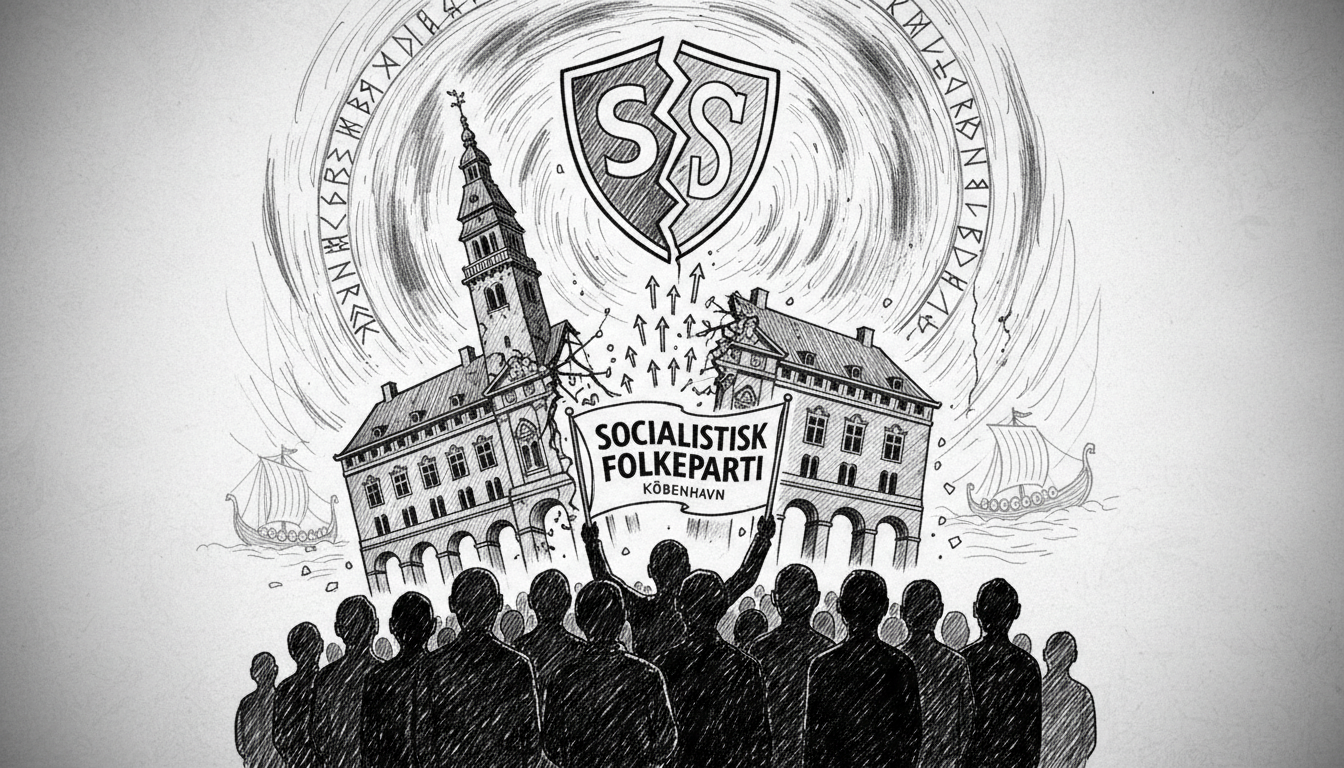
A political shift is reshaping Copenhagen's city hall. The Socialist People's Party (SF) has ended the Social Democrats' century-long control of the capital's municipal government. Sisse Marie Welling, the SF leader, announced this historic change with a smile. Her party secured several new mayoral positions following recent local elections. This represents the only notable national gain for any party on the political left. The development signals a potential realignment in Danish urban politics, with direct implications for social policy and integration efforts in the city. Copenhagen's approach to its welfare system and community programs may now see new directions.
The victory is significant for SF's voter base. Analysts note the party successfully appealed to traditional Social Democrat supporters. This shift occurred during a period where left-wing parties across Denmark face internal and external pressures. Their traditional alliances are being tested by new political realities. The change in Copenhagen, a major demographic and economic hub, often sets trends for national policy debates. Municipal governments in Denmark hold substantial power over local schools, social services, and integration initiatives. The new leadership will directly influence daily life for Copenhagen's diverse residents.
What does this mean for Copenhagen's social fabric? The city has long grappled with challenges related to urban integration and housing. Recent statistics show varying outcomes for immigrant communities in education and employment. The new municipal leadership will need to address these issues with concrete policies. Community centers and local social programs, often the first point of contact for new residents, await clarity on future funding and focus. Leaders from local integration councils have expressed cautious optimism. They hope for increased collaboration between city hall and neighborhood organizations. One community leader stated that consistent dialogue is crucial for effective social policy.
This political change arrives amid broader national debates on immigration policy and the welfare state. Denmark's social model is frequently examined for its balance between universal benefits and requirements for participation. The Copenhagen result may inspire similar left-wing strategies in other Danish municipalities. It also raises questions about the national Social Democrats' strategy for retaining urban voters. The party must now analyze why its traditional stronghold shifted allegiance. Political observers suggest economic anxieties and housing costs played a key role. The SF platform addressed these concerns with specific local proposals.
The true test will be governance. Can the Socialist People's Party translate electoral success into effective administration? They must manage a large, complex city bureaucracy. They also need to maintain a working coalition with other parties on the left, which reports indicate are already feeling strained. The coming months will reveal their priorities for Copenhagen integration projects and public services. Will they increase investment in language education and job training programs? How will they address the shortage of affordable housing? Their answers will affect not just Copenhagen, but the narrative around Danish social democracy itself. The world often looks to Denmark's welfare system as a case study. This local election result adds a new chapter to that ongoing story.