
Sweden's grocery store shelves are facing a persistent shortage of beef, a situation that has become a recurring post-holiday reality for shoppers. The problem, described by industry leaders as a clear raw material deficit, stems from a perfect storm of reduced domestic production and the natural cycles of cattle farming, leaving consumers searching for their favorite cuts.
"It's a raw material shortage that has become very clear now over Christmas and New Year," says Magnus Törnblom, press chief for the Axfood retail group. His sentiment is echoed across the sector. Anna Rosman, press communicator for ICA, confirms the supply has varied throughout the past year and warns, "It will continue to be challenging throughout 2026 according to our suppliers when it comes to beef."
For shoppers in Stockholm, from the Söderhallarna market to a suburban ICA Kvantum, the impact is tangible. It’s not about completely empty shelves, but about limited choice and unpredictability. "It varies enormously between store and day, so it's not like it's empty always everywhere," explains Therese Knapp, press communicator at Coop. "New goods arrive at the store every day." This patchwork availability forces a shift in the Swedish middagsbord (dinner table), challenging meal planning traditions centered around a reliable piece of nötfärs (beef mince) or entrecôte.
A Herd at Historic Lows
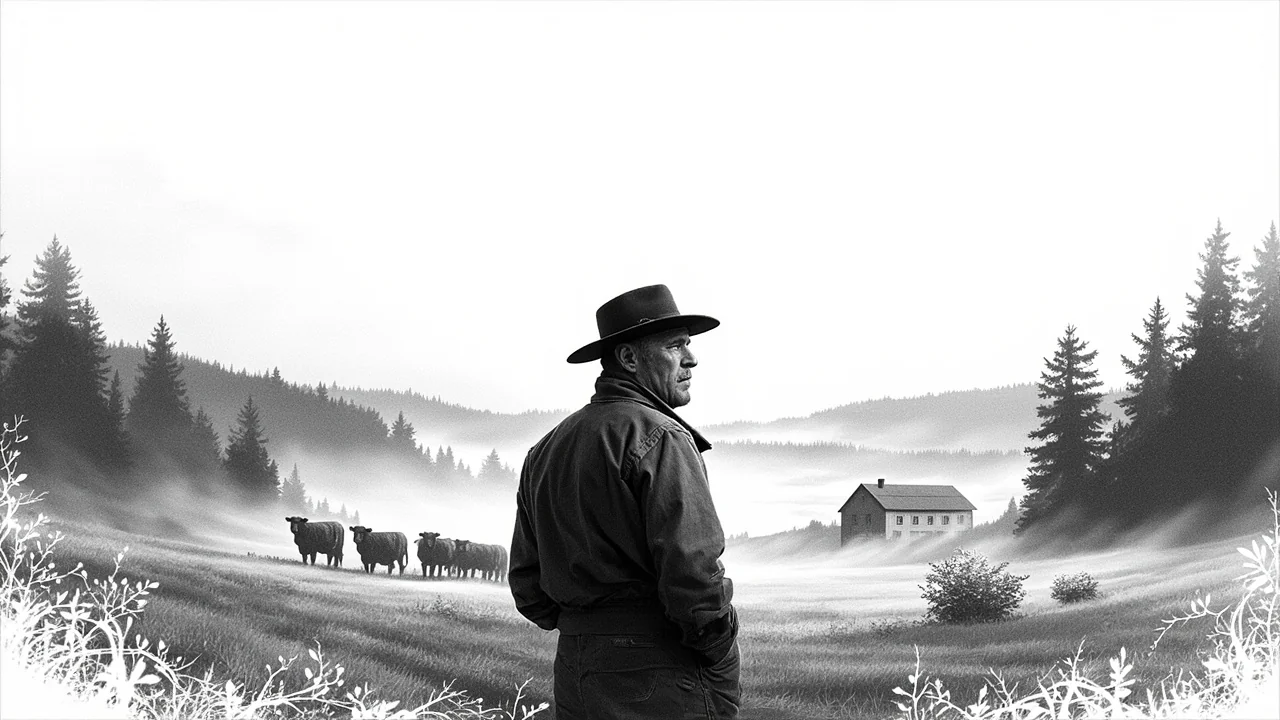
The root cause lies on Sweden's farms. Isabel Moretti, CEO of the industry organization Svenskt Kött (Swedish Meat), delivers a stark statistic: Sweden's cattle herd is at a record low. "During 2025, we actually had the lowest number of cows we have ever measured in Sweden, and they started measuring in the mid-1800s," she states. This historic decline has translated directly into a 10% drop in beef production compared to 2024 levels.
Moretti points to the turbulent global situation felt by everyone—high inflation and soaring costs—as the primary driver. "The reason we have lost production is a consequence of the messy world situation that we as private individuals have also experienced," she says. "This has led to producers not daring to invest. It has felt far too risky." For farmers, the financial uncertainty made expanding or even maintaining herds a gamble they couldn't afford, breaking a chain of production that takes years to rebuild.
The Cycle of Seasons and Supply
Compounding the long-term decline are the natural rhythms of agriculture and Swedish holiday patterns. Many suppliers and producers scale back operations during public holidays, known as röda dagar. When these holidays create long weekends, like the recent Christmas and New Year period, the system becomes particularly vulnerable. The shortage is always most acute in the deep winter.
"The natural cycle that cattle have means that during this time of year we don't have access to as many animals," Moretti explains. The animals that are ready for market are fewer. This annual dip, layered on top of the structural production deficit, creates the pronounced shortages customers see in January and February. There is a glimmer of seasonal relief ahead. "The further towards spring we get, the better the availability becomes," she notes, as the production cycle picks up again after the winter lull.
From Farm to Fridge: The Ripple Effect
The shortage reveals the delicate links in Sweden's food chain. A decision made on a farm in Småland two years ago, influenced by global fuel and feed prices, now affects the price and availability of a grytbit (stewing steak) in a Vällingby supermarket. This connection between global economics and local dinner plates is something Swedes are becoming acutely aware of.
It also challenges the national cultural preference for Swedish-produced meat, known for its strict animal welfare and environmental standards. Shoppers who prioritize the Svenskt Kött label may find themselves facing a choice: go without, opt for a different protein like pork or chicken, or select imported beef. This shift can feel at odds with the environmental consciousness deeply embedded in Swedish society, where klimatsmart (climate-smart) consumption is a frequent topic of fika conversations.
A Long Road to Recovery
While the seasonal spring uptick will bring more beef to stores in the coming weeks, the industry warns that the fundamental supply issue is far from solved. Rebuilding a cattle herd is a process measured in years, not months. "The more long-term supply we can probably expect to struggle with for another 2-4 years, is our assessment," says Isabel Moretti, offering a sobering timeline. "The deficit we have had is decreasing, so we are gradually increasing production. But it takes time."
This means the pattern of post-holiday shortages could repeat next Christmas. The system's vulnerability during långhelger (long weekends) will persist until the underlying production base is strengthened. For retailers, it demands careful logistics and communication. For consumers, it necessitates a degree of flexibility—a move away from the expectation of limitless, year-round availability of every cut of meat, a concept that is relatively modern in Sweden's culinary history.
Adapting Traditions in the Kitchen
The situation is quietly reshaping domestic life. It encourages a return to older, more seasonal eating patterns and a rediscovery of lesser-used cuts. Butchers and food influencers are emphasizing recipes for grytor (stews) that can use tougher cuts, or promoting färs (mince) blends that mix beef with other meats. The classic Svenska köttbullar (Swedish meatballs) might become a more occasional treat rather than a weekly staple.
This adaptation touches on something fundamental in Swedish culture: the hemlagad middag (home-cooked dinner) as a cornerstone of family life. The uncertainty around a key ingredient disrupts the comforting routine of meal planning. Yet, it also sparks creativity and a deeper appreciation for the origin of food. People start to think more about the farmer, the cycle of the seasons, and the true cost of production, moving beyond the simple transaction at the checkout.
Looking Ahead: A Test of Resilience
The beef shortage is more than a temporary inconvenience. It is a stress test for Sweden's food security and a case study in how global economic shocks ripple through a small, open economy with high production standards. It highlights the tension between consumer expectations for affordable, abundant food and the economic realities of producing it sustainably at home.
As Sweden moves toward spring, the shelves will slowly fill again. But the questions raised by this winter's shortage will remain. How can a nation balance its ethical production standards with economic viability for farmers? How can consumers adapt their habits to a new, less predictable normal? And how long will it take before the sight of a fully stocked beef section stops feeling like a seasonal novelty and returns to being an everyday certainty? The answers will be written in the fields and farmyards over the coming years, long after this particular shortage fades from memory.