
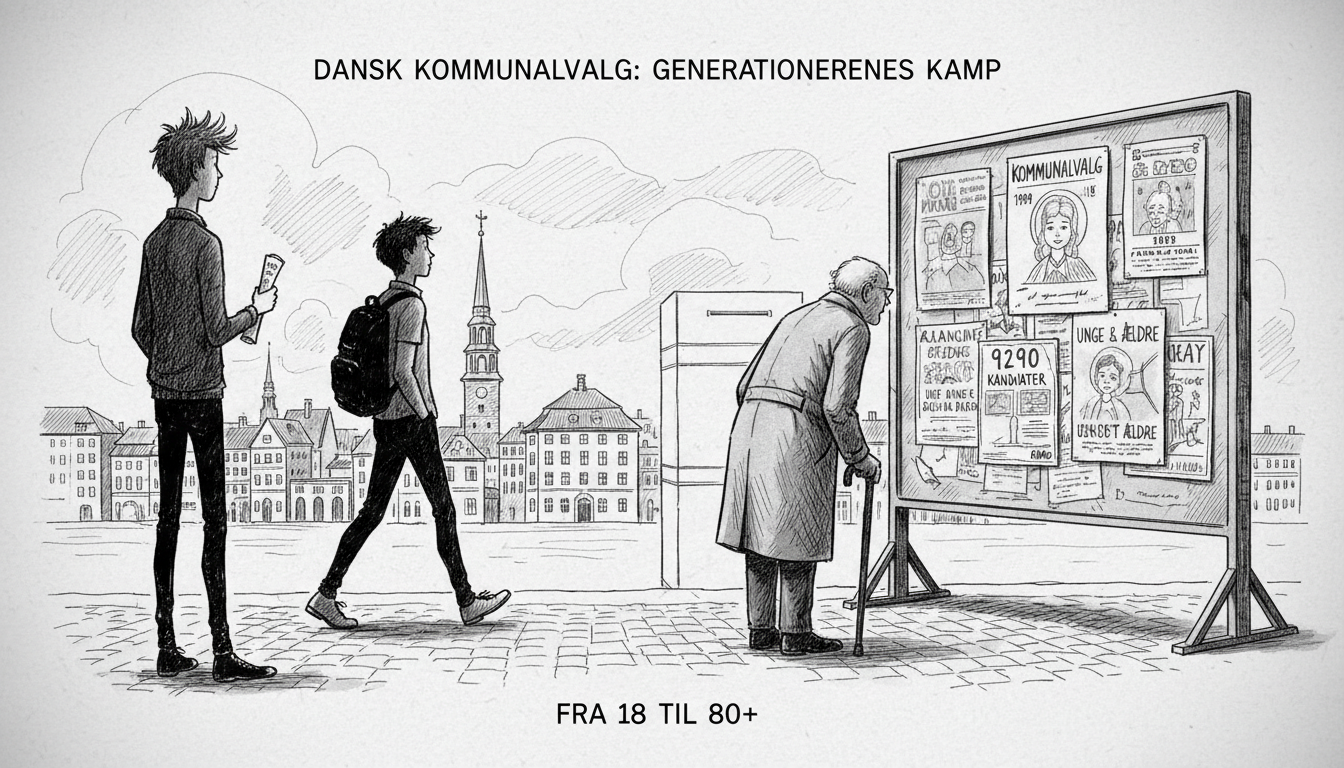
Danish voters face a remarkable range of candidates in current municipal elections. One candidate has been running since 1989. Others just turned 18 years old. The election features 9,290 candidates competing for local government positions across Denmark's municipalities.
Men dominate the candidate lists in many areas. Numerous politicians have switched party affiliations since the last election cycle. This reflects shifting political landscapes at the local level.
Municipal elections in Denmark occur every four years. They determine who governs the country's 98 municipalities. These local governments handle crucial services like schools, elderly care, and urban planning. Voters elect council members who then select the mayor.
The age diversity among candidates shows Denmark's commitment to inclusive politics. Young candidates bring fresh perspectives to local issues. Experienced candidates offer institutional knowledge and political wisdom.
Why do municipal elections matter so much in Denmark? Local governments control nearly half of all public spending. They make daily decisions affecting citizens' quality of life. From kindergarten placement to nursing home quality, municipal councils shape community experiences.
The high number of candidates indicates strong civic engagement. Danes take local democracy seriously. Many candidates run without expecting to win. They participate to raise important local issues and give voters more choices.
Party switching among candidates reveals political fluidity. Some politicians move toward parties with stronger local presence. Others align with parties matching their evolving political views. This dynamic creates interesting electoral battles across Denmark.
Local elections often serve as political weathervanes. They can predict shifts in national political trends. Strong performances by smaller parties in municipal races sometimes foreshadow national breakthroughs.
International observers frequently praise Denmark's local democracy model. The country maintains high voter turnout in municipal elections. This reflects public trust in local government institutions. The diverse candidate pool strengthens this democratic foundation.
What makes Danish municipal elections unique? They combine proportional representation with local constituency systems. This ensures both fair party representation and geographic balance. Voters can choose both party and specific candidates within party lists.
The election results will shape local policies for the next four years. New councils will make decisions on climate adaptation, public transportation, and welfare services. These choices directly impact daily life in Danish communities.