
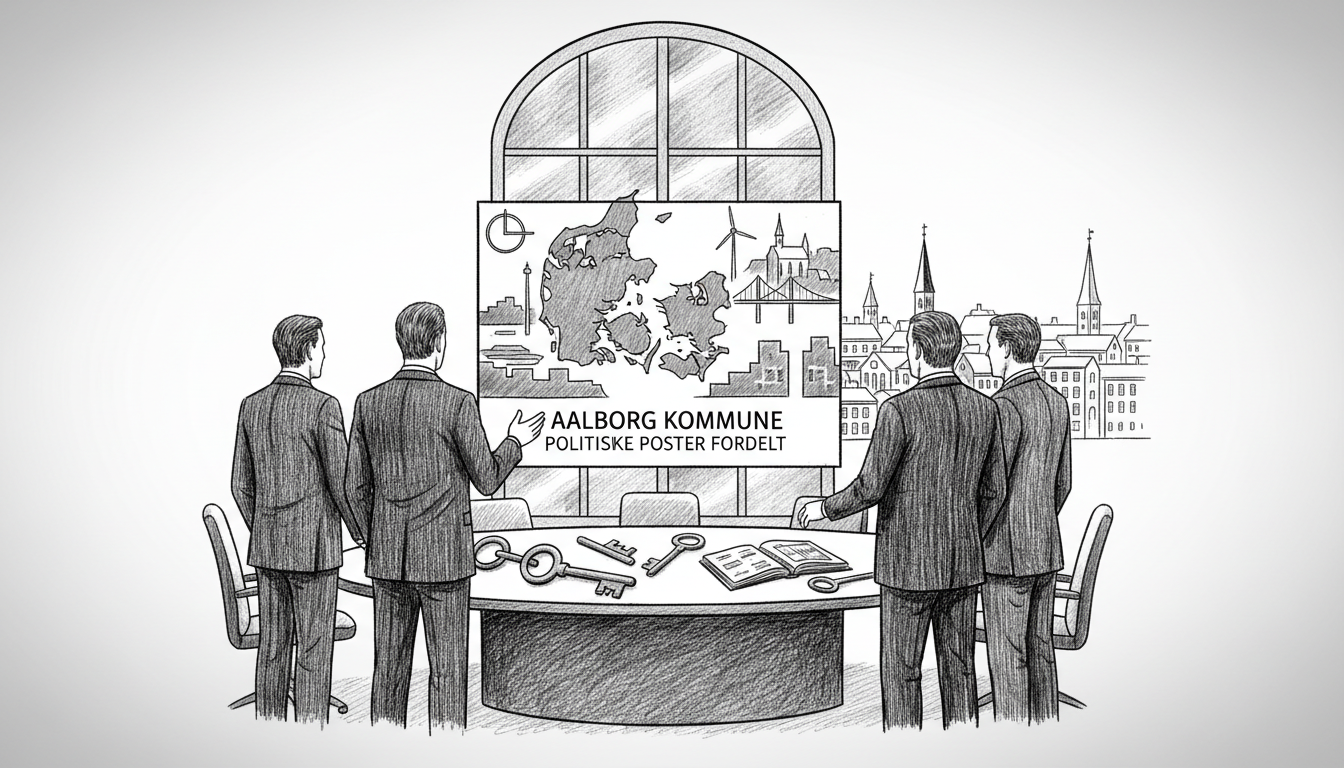
Aalborg Municipality has finalized the distribution of its powerful executive posts, known as rådmænd, following the recent local elections. The appointments define the political leadership for Denmark's fourth-largest city and signal policy priorities for the coming term. Mayor Lasse Frimand Jensen from the Social Democrats retains his position, providing continuity at the top. The council's six executive posts, however, showcase a coalition spread across the political spectrum, reflecting the negotiated nature of Danish municipal governance.
Peter Lindholt from the Danish Democrats takes the crucial post for Technical Services and Environment. This role oversees major infrastructure and green transition projects vital for Aalborg's development. The Social Liberal Party's Peter Larsen assumes the Job and Social portfolio, a position at the heart of Denmark's welfare and integration system. His work will directly impact unemployment services and social benefits distribution in the municipality.
Vibeke Gamst from the Conservative People's Party will lead the Senior and Rehabilitation department, focusing on elderly care. Morten Thiessen, also from the Conservatives, takes charge of Children and Youth, shaping education and leisure policies. Jan Nymark Rose Thaysen from the Liberal Party secures a broad portfolio covering Climate, Culture, and Health. This blend of parties in the executive committee is typical in Danish municipalities, where cooperation trumps single-party rule after elections.
These appointments matter deeply for Copenhagen integration and broader Danish social policy. Municipalities are the primary implementers of national welfare and immigration policy. The person leading the Job and Social department in a city like Aalborg directly influences how integration programs are delivered on the ground. Their approach can affect access to language classes, job training, and community support for new residents. This local implementation layer is often where national policies succeed or falter.
Danish society news often focuses on national politics, but local councils wield immense practical power. They manage schools, elderly care, local infrastructure, and a significant portion of the Danish welfare system's frontline services. The political color of these rådmænd shapes daily life for citizens. For instance, a Conservative-led Children and Youth department might prioritize different educational values than a Social Liberal one. This distribution of posts is the result of post-election negotiations, where parties trade support for influence over specific policy areas.
What does this mean for Aalborg's residents and Denmark's social fabric? The coalition suggests a centrist, pragmatic approach to governance. With key social welfare posts split between center-left and center-right parties, major ideological shifts are unlikely. The arrangement aims for stability in service delivery. For international observers, this process highlights a core feature of Danish democracy: consensus-building and decentralized power. The real test will be how this multi-party executive tackles Aalborg's specific challenges, from urban development to integrating its diverse population into the local community and labor market.