
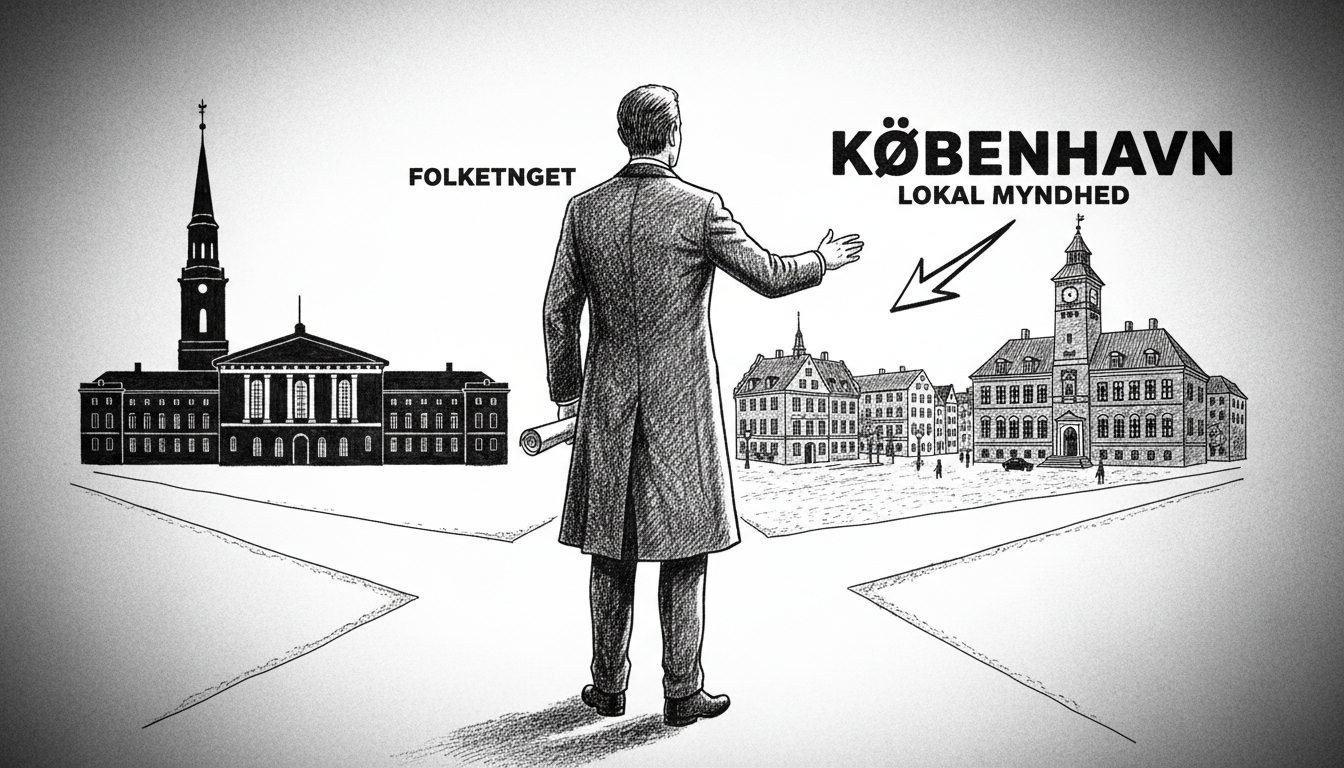
A prominent Copenhagen politician has made a clear commitment to local governance. Lars Aslan Rasmussen stated he would decline a potential seat in the Danish Parliament, the Folketing, to serve his full term in the city's Borgerrepræsentation. This decision comes as the Social Democratic party selects its next 'fagborgmester', a key municipal committee chair role in Copenhagen. If either of his two party colleagues wins that position, Rasmussen would be next in line for a national seat. He has chosen to stay put.
Rasmussen explained his reasoning directly. He said he just received a strong personal vote from citizens. Those voters expect him to serve his full four-year term on the Copenhagen city council. He intends to honor that expectation. This choice highlights a tension between local and national political careers that is common in Danish society news. Many politicians see the Folketing as the ultimate goal. Rasmussen's decision to prioritize his municipal role is noteworthy.
This story speaks to broader themes in Copenhagen integration and Denmark social policy. Local politicians often have direct impact on community centers, schools, and housing. These are the pillars of the Danish welfare system. Rasmussen's focus on the Borgerrepræsentation suggests he sees more concrete work at the city level. National politics can feel distant from daily life in neighborhoods like Nørrebro or Vesterbro. Municipal work deals directly with the implementation of Denmark immigration policy and integration programs.
Community leaders in Copenhagen often stress the importance of local engagement. A city council member can influence how social policies are applied on the ground. They work with local social centers and municipal departments. This is where the abstract rules of the welfare system meet real people. The decision reflects a pragmatic view. Lasting change for integration often happens through local institutions, not just national laws.
Analysis shows a consistent trend. Voter trust in politicians who deliver local results remains high. Rasmussen's choice is politically astute. It builds credibility and a tangible record. National politics is often dominated by broader ideological debates. Municipal work requires coalition-building and practical solutions. For issues like integration, this hands-on approach can be more effective. The Danish political system allows for this kind of career path, where local service is valued as highly as national office.
The implications are clear for Copenhagen's future. Keeping an experienced politician focused on the city's challenges is a net positive. It ensures continuity in complex policy areas like urban development and social services. The next four years will be crucial for the capital. The city faces pressures on housing, climate adaptation, and social cohesion. Having dedicated local leadership matters. Rasmussen's commitment, while personal, signals a stability that residents and businesses in the city can appreciate.