
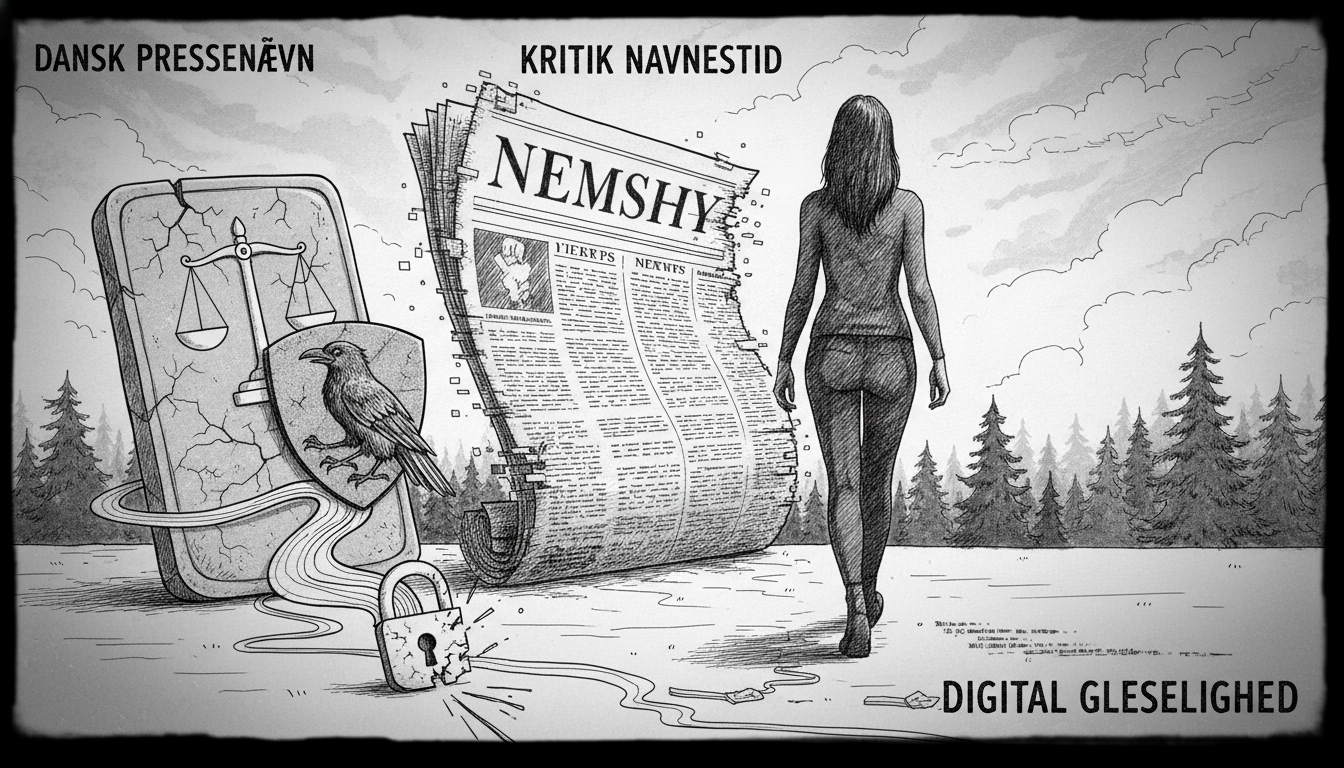
A Danish newspaper faces official criticism for refusing to anonymize the name of a woman in an old article. The Danish Press Council ruled against the publication. The case involves a story from December 2011 about a person convicted of fraud. The article included a photo and comments from a named woman. She later complained to the Press Council. She argued the newspaper should have removed her name. She has had name and address protection since 2014. This protection was granted because the fraudster was also convicted of stealing her identity. The Press Council states the newspaper was wrong to reject her request for anonymity. The council has ordered the publication of its ruling. The full decision is available on the Press Council's official website.
This case highlights a critical tension in Danish society news. It pits press freedom against individual privacy rights. The Danish welfare system and its social policies often emphasize strong personal protections. Yet media outlets operate under different ethical guidelines. The woman in this case was connected to a criminal through identity theft. Her situation is not uncommon in discussions about Copenhagen integration. Many individuals with protected status fear public exposure. This can severely impact their ability to rebuild their lives. The newspaper's decision to keep her name public, despite her protected status, raises serious questions. It shows how old digital content can have lasting consequences.
Denmark immigration policy and integration efforts frequently involve such privacy dilemmas. Municipalities and social centers work to shield vulnerable individuals. They often clash with media practices. Statistics on integration show that public identification can hinder social and educational progress. When a person's name is linked to crime online, even indirectly, it creates barriers. These barriers affect employment and community participation. The Press Council's ruling reinforces a principle. It suggests that an individual's right to protection can outweigh a newspaper's archival integrity. This is especially true when the link to criminal activity involves victimization, like identity theft.
Community leaders in Copenhagen often discuss these challenges. They note that successful integration requires safety and dignity. A social policy expert commented on the case. They said the ruling reminds media of their responsibility beyond initial publication. The digital age means articles live forever. This demands greater sensitivity to changing circumstances. The expert pointed to common practices in Danish municipalities. Social services routinely anonymize data to protect clients. They asked why some media outlets resist similar ethical updates. The answer often involves editorial tradition and a broad interpretation of public interest.
What does this mean for Denmark social policy moving forward? The ruling is a small but significant signal. It indicates that institutional protections, like name and address coverage, must be respected by all public entities, including the press. For international observers, this case offers a window into Danish values. It shows a society constantly negotiating between transparency and compassion. The welfare system is designed to support citizens, but its effectiveness can be undermined by public exposure. This story is more than a media critique. It is about how a society treats individuals caught in difficult pasts. The Press Council has made its stance clear. It is now up to media houses to reflect on their role in a changing digital landscape where privacy is increasingly fragile.