
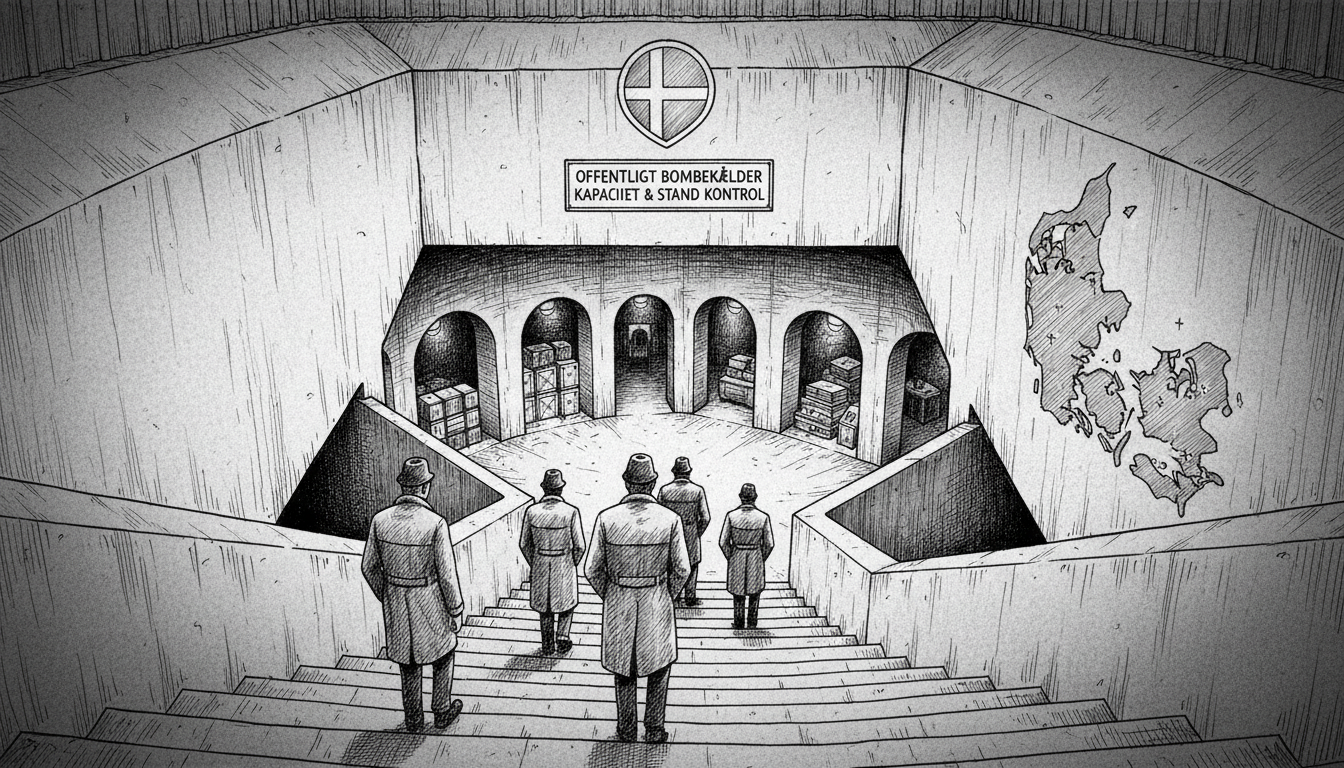
Every municipality in Denmark must now conduct physical inspections of its concrete-covered shelters. The order comes from the national Agency for Community Safety and Emergency Preparedness. This nationwide audit aims to create a complete and updated picture of the real condition and capacity of the country's public protection spaces. The initiative follows a pilot inspection conducted since October in six municipalities and emergency services districts, including Copenhagen, East Jutland, and Aalborg. The lessons learned from these areas have been incorporated into a checklist and guidance document for all local authorities to use.
Minister for Community Safety and Emergency Preparedness, Torsten Schack Pedersen, framed the move within a broader European context. He stated that while there is no specific military threat against Denmark, the topic of protection spaces has become relevant again across Europe. He emphasized the importance of establishing an overview of the real status of existing shelters. The results from each inspection must be registered in a new digital reporting platform scheduled to open in early January. The goal is to complete the inspections by mid-March.
The agency acknowledges the task will be extensive, especially for municipalities with many shelters. To support them, a series of webinars are planned in cooperation with the national association of municipalities. These sessions will allow local officials to ask questions and receive guidance. The scale of this project highlights a quiet but significant shift in Danish social policy and preparedness thinking. It reflects how geopolitical tensions are prompting tangible, logistical actions even in a nation known for its stable welfare system.
Many of these concrete bunkers, known locally as 'betondækningsgrave', have found secondary uses in peacetime. Some are leased out for cultural purposes, such as rehearsal spaces for local musicians and artists. This dual-use reality adds a layer of complexity to the inspections. Authorities must assess structural integrity and safety for emergency use while considering existing community functions. The next phase of the review will focus on a different type of shelter known as 'sikringsrum', indicating a comprehensive, multi-stage approach to national security infrastructure.
From my perspective covering Danish society and integration, this story connects to deeper themes of community resilience and shared responsibility. The welfare state is not just about healthcare and education. It is also about collective security and the physical infrastructure that supports it. This audit, while technical, asks a fundamental question about how a modern society prepares for uncertainty. It moves the conversation from abstract policy to concrete action, involving local leaders and social centers across the country. The outcome will provide hard data on a resource that most citizens rarely think about, yet which forms a silent backbone of the national social contract.