
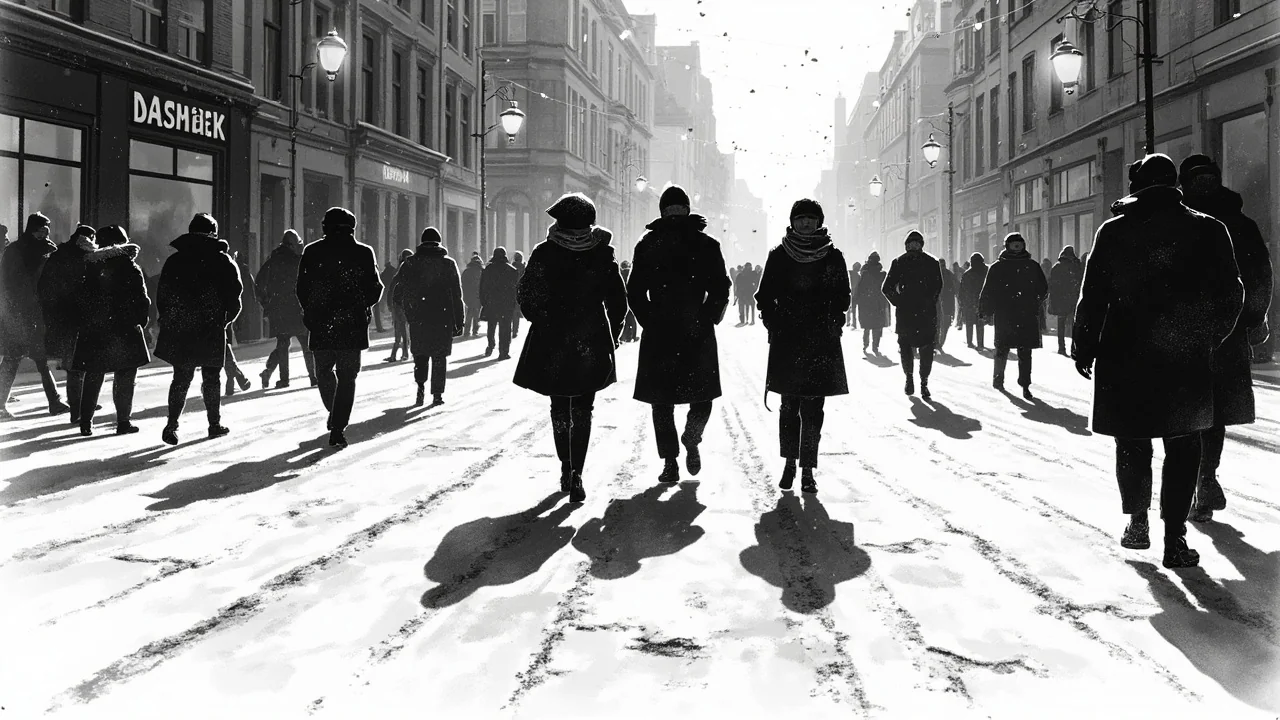
Denmark's winter freeze has transformed daily life into a hazard zone, sending hundreds of citizens to emergency rooms with slip-and-fall injuries. From a simple trip to the mailbox to sledding with children, routine activities have become risky on the country's icy surfaces. Hospital staff across Jutland report being overwhelmed by a surge in fractures, sprains, and head injuries directly linked to the treacherous conditions.
"We had an incredibly busy Friday when the frost hit," said Lubna Kokholm, chief physician at Aarhus University Hospital's emergency department. "We were all super surprised by how slippery it actually was." Her department saw 108 visits on January 2nd alone, a significant spike that forced tough prioritization and led to longer waiting times for less urgent cases. The data from Aarhus reveals a clear pattern: 344 patient visits over five critical days, with numbers remaining elevated as the cold persists.
A Nation on Slippery Ground
The problem extends far beyond Aarhus. At Regionshospitalet Randers, treatment nurse Christina Nygaard Jensen describes a similar scene. Her team is treating everything from broken wrists and sprained ankles to head injuries from sledding collisions or falls on hard ground. "We see all kinds of injuries these days," Jensen said. The common thread is ice. Many injuries occur during mundane tasks, exacerbated by inadequate footwear like house slippers being used for quick trips outside.
Jensen offers straightforward, crucial advice often overlooked in the rush of daily life. "It's a really good idea to put on shoes other than just house slippers when you need to empty the mailbox or walk the dog," she emphasized. "Because it is slippery, and therefore good footwear is of course important." This simple preventative step could significantly reduce the strain on medical services. The situation highlights a gap between public awareness of winter hazards and practical, immediate action.
The Strain on Danish Healthcare
This seasonal injury wave places direct pressure on Denmark's public healthcare system, a cornerstone of the Danish welfare model. Emergency departments are designed for acute care, but a sudden influx of preventable injuries can disrupt workflows and delay treatment for patients with life-threatening conditions. Kokholm's account of "hard prioritization" and longer waits in the reception area illustrates the triage reality faced by staff.
The system's resilience is being tested. While Danish hospitals are adept at handling emergencies, a continuous stream of slip-and-fall incidents consumes resources and staff attention. This comes without the dramatic news coverage of a major accident, yet the cumulative impact is substantial. It represents a predictable, yet annually challenging, stress test for municipal road clearing efforts and public health messaging.
Why This Happens Every Winter
Despite annual warnings, many Danes are caught off guard by the first serious freeze. Psychologists might point to optimism bias or the simple human tendency to underestimate risk during familiar routines. The quick trip to the trash bin or the car feels harmless until a patch of black ice, often invisible, changes everything. Furthermore, not all municipalities or property owners clear ice and snow with equal speed or thoroughness, creating unpredictable danger zones.
The types of injuries reported tell a specific story. Ankle sprains and broken wrists often result from instinctive attempts to break a fall. Head injuries, particularly concerning, occur when that instinct fails, or from collisions during winter sports. Sledding, a cherished winter pastime, becomes a source of hospital visits when hills are too icy or crowded. The data suggests a public adapting to winter, but not quickly or carefully enough to avoid harm.
A Forecast of More Frost and Risk
The immediate forecast worries healthcare professionals. With temperatures predicted to drop further into double-digit negatives in parts of the country, the risk of more accidents climbs. Colder weather often means more ice and less melting, prolonging the hazardous period. Hospitals are bracing for continued high activity, hoping the public heeds the hard-learned lessons from the past week.
Chief physician Kokholm appeals directly to public sense and planning. "We hope that people during the week have learned that you shouldn't jump on your bike Monday morning if it's very slippery," she stated. "And then you have to remember to leave in good time." Her advice connects personal safety to societal responsibility; reducing haste and increasing caution keeps individuals safe and eases the burden on shared healthcare resources.
The Broader Social Policy Perspective
This annual phenomenon is more than a healthcare story. It intersects with social policy, urban maintenance, and public communication. How effectively do municipalities warn citizens? Are public pathways and transportation hubs salted and cleared promptly? The unequal distribution of injury risk is also a factor. Elderly citizens and those with mobility issues face far greater danger from icy conditions, and a fall can have life-altering consequences for their independence.
From an integration perspective, newcomers to Denmark from warmer climates may lack experience with Nordic winters. This highlights a need for clear, accessible safety information in multiple languages within local communities and social centers. Preventing these injuries requires a collective effort that includes thoughtful urban planning, timely public service interventions, and individual behavioral change.
Learning from the Seasonal Spike
The spike in emergency room visits serves as an annual benchmark for public preparedness. While Denmark excels at managing large-scale crises, the repetitive nature of winter slips suggests room for improvement in preventative strategy. Could more aggressive salting schedules in residential areas help? Should public service announcements be more visceral, showing the real consequences of a fall? The consistent data year after year provides a basis for evaluation.
Experts in public health often stress that prevention is more efficient and cost-effective than treatment. Every ankle fracture treated represents not just patient pain and recovery time, but also the cost of X-rays, casting, and clinical hours. A societal focus on prevention—through better footwear, salt distribution, and awareness—protects both citizens and the healthcare system they depend on.
Moving Forward on Thin Ice
As Denmark navigates the heart of winter, the message from its emergency rooms is clear. The beauty of a frosty landscape carries a tangible risk. The response must be pragmatic: respect the weather, prepare for it, and understand that individual choices have a direct impact on community well-being. The Danish welfare system is a safety net, but it functions best when citizens also take personal responsibility for their safety on icy ground.
The coming weeks will show if the hard lessons of the recent freeze have been absorbed. Will the sight of a neighbor in a cast prompt others to buy ice grips for their boots? Will municipalities increase their response times for side streets? The true test lies not in the emergency room statistics, but in the quiet, uneventful trips made safely to the mailbox and back. For now, hospital staff remain vigilant, knowing that as long as the mercury stays low, their waiting rooms will likely stay full.