
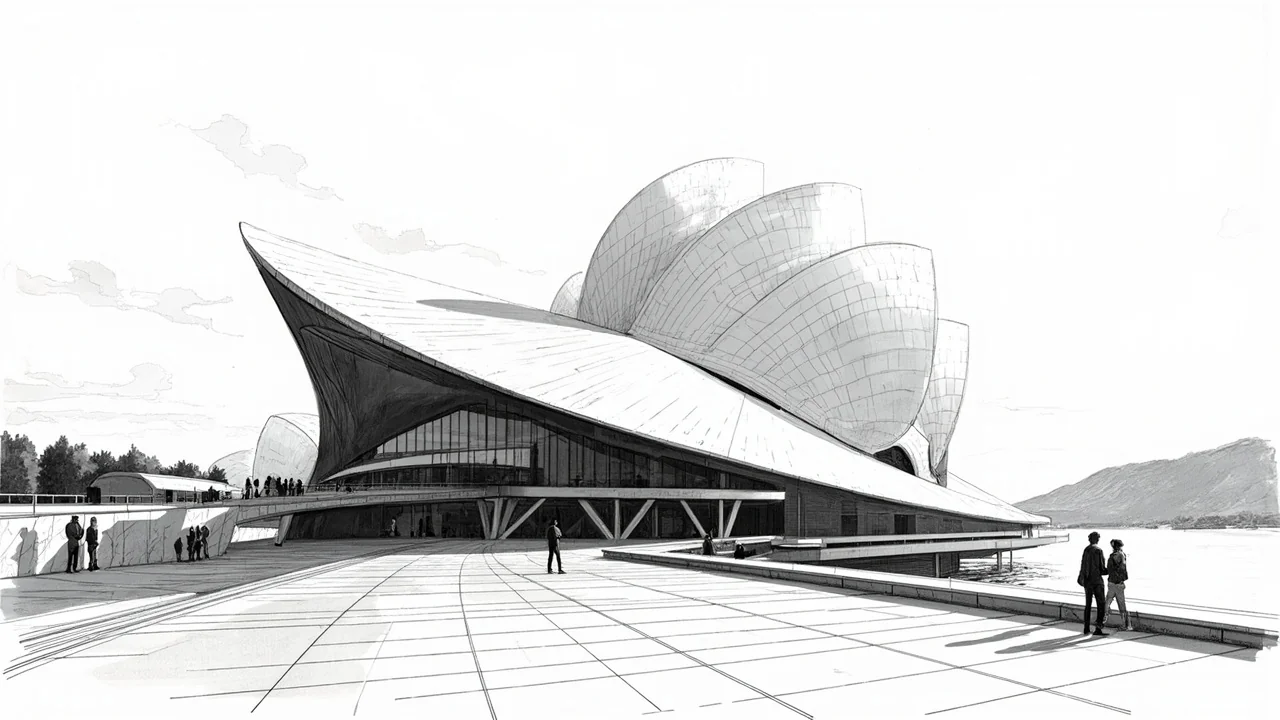
Norway's iconic Oslo Opera House requires annual repairs costing between 1 and 6 million kroner to address damage to its marble slabs from cold, frost, and heavy foot traffic. This ongoing expense highlights a persistent issue with the building's material choice, casting a shadow over one of Oslo's most celebrated architectural landmarks. The white Carrara marble, selected for its aesthetic appeal, has proven ill-suited to the Nordic climate, leading to significant and recurring maintenance costs borne by public funds.
The Financial Burden of Maintenance
Statsbygg, the Norwegian government agency responsible for state buildings, allocates substantial resources each year to repair and replace marble slabs at the Opera House. In the previous year, repair costs totaled 2.4 million kroner, while the year before saw expenses rise to 5.2 million kroner. These figures underscore a volatile but consistently high financial commitment. Hege Njaa Aschim, communications director at Statsbygg, explained the pattern in a statement: 'Damage often develops during the winter season, and the extent of the damage usually becomes most apparent after winter. Maintenance funds are sought annually, and costs vary from approximately 1 to 6 million kroner.' This variability reflects the harsh weather conditions and the intensive use of the Opera House, which attracts millions of visitors yearly.
The repair costs are not merely a line item in a budget but represent a recurring drain on public resources. Statsbygg's annual budgeting process must account for these unpredictable expenses, which can divert funds from other critical infrastructure projects across Norway. Given the Opera House's status as a cultural hub and tourist attraction, the maintenance issues also pose questions about the long-term sustainability of such prestigious public investments. The Norwegian Parliament, the Storting, oversees government spending, and these ongoing costs could prompt discussions about fiscal responsibility in public architecture.
Material Flaws and Climatic Challenges
The choice of white Carrara marble for the Opera House was controversial from the outset, not only because it was sourced from Italy rather than Norway but also due to its inherent material weaknesses. Marble is a relatively soft stone with low resistance to abrasion and weathering, making it particularly vulnerable in Oslo's environment. The city experiences cold winters with freeze-thaw cycles that exacerbate cracking and erosion, while the high volume of foot traffic from visitors accelerates wear on the surfaces. This combination of factors has led to persistent damage that requires frequent and costly interventions.
During the construction phase, critics raised concerns about the marble's durability, arguing that local materials might have offered better longevity. However, the architectural vision prioritized aesthetic impact, leading to the selection of Italian marble for its pure white appearance. Today, the consequences of that decision are evident in the annual repair bills. The material's lack of resistance has turned the Opera House into a case study in the trade-offs between beauty and practicality in public building design. For a country like Norway, with its expertise in Arctic engineering and harsh climate adaptation, this oversight seems particularly striking.
Historical Context and Ongoing Debates
The controversy over the marble choice dates back to the Opera House's construction period, which began in the early 2000s and culminated in its opening in 2008. At the time, arguments centered on both economic and symbolic grounds: importing marble from Italy was seen as costly and out of step with Norway's tradition of using local materials, such as slate or granite from Norwegian fjords. Proponents of the design, however, emphasized the global architectural statement being made. Today, the recurring repair costs revive those debates, with critics pointing to the initial oversight as a cautionary tale.
Hege Njaa Aschim's comments underscore the predictable nature of the damage, yet the response remains reactive rather than proactive. Each year, Statsbygg assesses the winter's impact and seeks funds for repairs, a cycle that seems entrenched. This approach contrasts with potential long-term solutions, such as replacing the marble with more durable materials, but such measures would require significant upfront investment and political will. For now, the annual repairs continue, serving as a reminder of the compromises made in public project planning.