
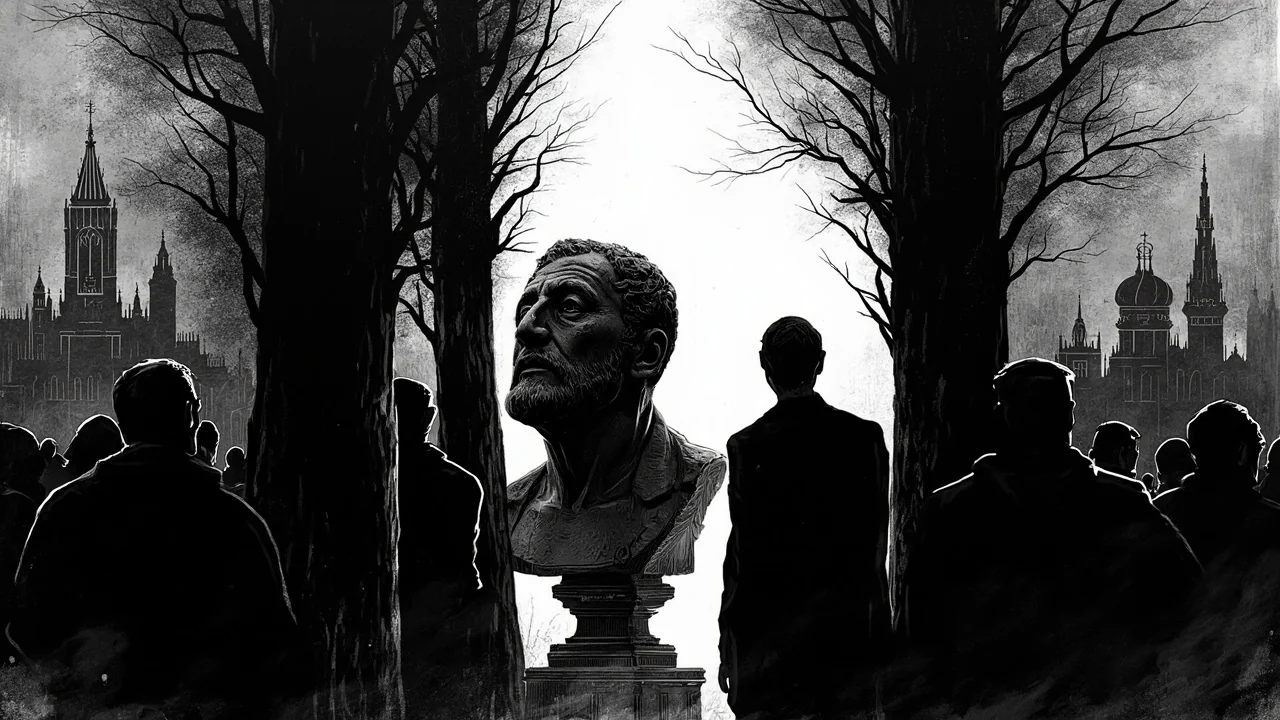
Norway has one fewer public monument to a controversial cultural figure after a bronze bust of the late poet Hans Hyldbakk was cut down and stolen overnight. Police in Møre og Romsdal reported the theft on Sunday afternoon, confirming the statue was removed using an angle grinder. The incident highlights the intense public debate over how to handle the legacy of individuals accused of historical abuse, forcing a national conversation that moved from council chambers to clandestine action.
A Theft Before Official Removal
Local authorities in the municipality had already decided to remove the bust following media reports last Christmas detailing sexual abuse allegations against Hyldbakk, who died in 2001. Mayor Hugo Pedersen of the Centre Party expressed his dismay at the criminal act. "It is theft and vandalism of municipal property. I am very unenthusiastic," Pedersen said. He clarified that the council's formal plan was to preserve the head of the bust for the municipality while leaving its pedestal in place. The pre-emptive theft has effectively accelerated that process through illegal means, complicating the municipal government's intended, orderly approach to dealing with the contentious artwork.
Allegations and Cultural Reckoning
The catalyst for the council's removal decision was a series of investigative articles published by several media outlets in the pre-Christmas period. These reports contained detailed accusations of abuse against the celebrated poet. Hyldbakk, known for his writings documenting rural Norwegian life and culture, has been a significant but now problematic figure in the region's history. The case mirrors a broader Scandinavian and global trend where communities grapple with public honors bestowed upon individuals whose personal actions, later revealed, conflict with contemporary values. This reckoning often pits historical preservation against ethical accountability, creating difficult choices for local governments.
The Legal and Symbolic Aftermath
Police are now investigating a clear case of property crime against the commune. The use of an angle grinder indicates a deliberate and prepared act, not spontaneous vandalism. While the municipal government's intent was to decommission the statue officially, the illegal method of its disappearance presents a separate challenge for law enforcement. The empty plinth remains, a tangible symbol of the void left by the abrupt erasure, both physical and symbolic. This incident raises immediate questions about security for other contested monuments and the potential for further extra-legal actions by individuals or groups seeking to bypass official bureaucratic processes.
A National Pattern of Contested Monuments
This is not an isolated event in Norway. Debates over statues and memorials linked to individuals associated with the Nazi occupation, historical racism, or personal misconduct have surfaced in cities like Oslo, Bergen, and Trondheim. Each case involves a delicate balance between acknowledging history, respecting artistic value, and responding to legitimate public outrage. The Hyldbakk case is unique in its rural setting and focus on a literary figure, but it follows a familiar pattern: investigative journalism exposes allegations, public pressure builds, and local authorities are forced to react. The angle grinder's role here introduces a new, forceful element into that pattern.
The Complicated Path Forward for Communities
Mayor Pedersen's statement underscores the municipal frustration with the criminal destruction of property, regardless of the object's contested status. The event creates a dual problem: addressing the original issue of Hyldbakk's legacy and now dealing with a brazen theft. Other municipalities with similar dilemmas will watch the outcome closely. The central question remains whether removal decisions should be made through formal, democratic channels or if public sentiment will increasingly manifest through direct action. The physical removal of the bust does not erase the complex history it represents, leaving the community to confront that history without its focal point.