
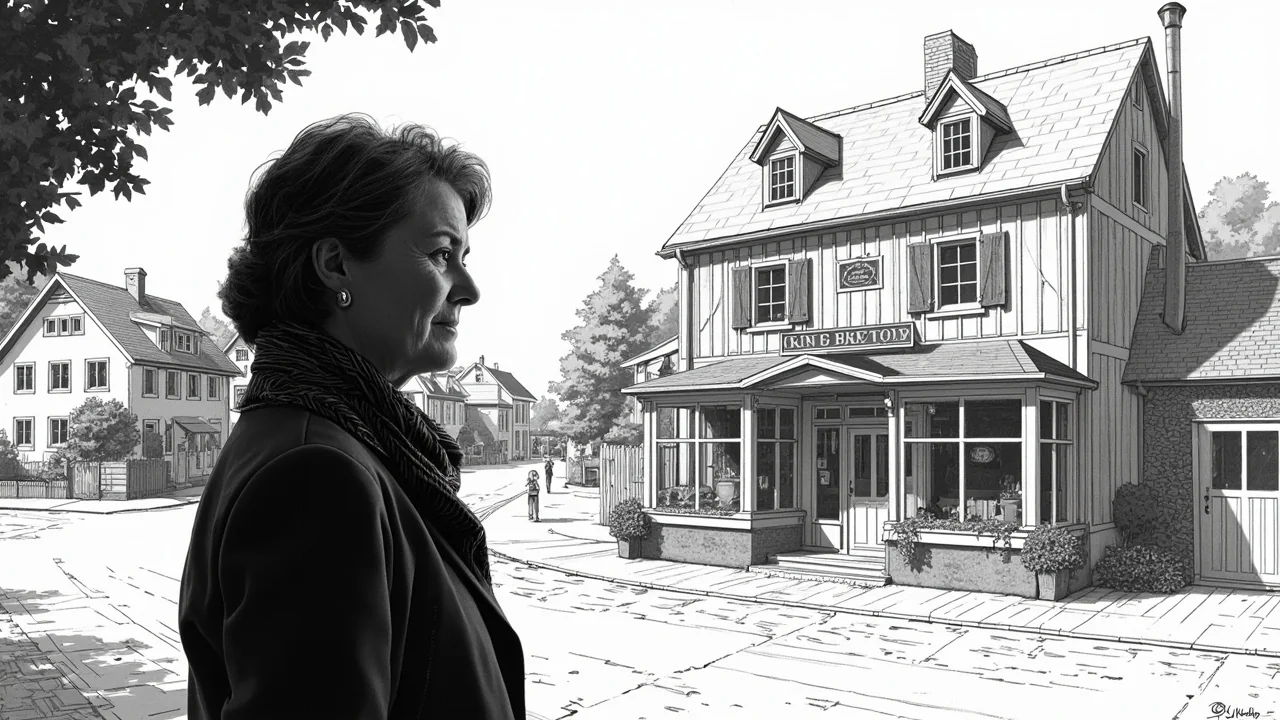
Denmark's Kohberg bakery, with over 500 employees and iconic breads like Herkules and Viking, has lost its co-founder Ella Ruth 'Kylle' Kohberg at 92 years old. Her son, Henrik Kohberg, confirmed her passing on January 21, stating she died peacefully after a long life in South Jutland. This marks the end of an era for one of Denmark's largest Danish- and family-owned bakeries, a story that began with a small handcraft bakery in Bolderslev. Ella Ruth Kohberg's death resonates across Danish society, highlighting the enduring impact of family enterprises on local communities and national identity.
From Young Love to Business Partnership
Ella Ruth Kohberg, known affectionately as Kylle, met her husband Alfred Kohberg when she was just 18 years old. In 1955, the couple moved to Bolderslev and took over Alfred's father's handcraft bakery. This decision set the foundation for what would become a household name in Denmark. Starting with modest beginnings, they worked side by side, embodying the post-war entrepreneurial spirit that defined many Danish small businesses. Their partnership was not only marital but also a professional collaboration that drove the bakery's early growth. The Kohbergs' dedication to quality and family values became core principles, resonating with Danish consumers who valued traditional baking methods.
Building a Bakery Empire
Under Kylle and Alfred Kohberg's leadership, the bakery expanded significantly from its humble origins. They transformed the small operation into a major enterprise, introducing now-iconic bread types such as Herkules and Viking under the Kohberg brand. By the time of Kylle's death, the business employed more than 500 people, a testament to its scale and success. The Kohberg bakery became synonymous with reliable, family-oriented products in Danish supermarkets and homes. This growth mirrored broader trends in Denmark's food industry, where family-owned businesses often scale up while maintaining local roots. The Kohbergs' ability to balance innovation with tradition helped them capture a substantial market share, making their breads staples in Danish daily life.
Transition and Later Years
In 1989, Kylle and Alfred Kohberg sold their life's work to the Fogtmann family, who continued to expand the business and its product range. This sale allowed the Kohbergs to step back, but their legacy remained integral to the brand's identity. Kylle became a widow in 2005 when Alfred passed away, yet she continued to be remembered as a key figure in the bakery's history. Her funeral was held on January 31 at St. Jürgens Church in Flensburg, reflecting her connections to the border region of South Jutland. The transition of ownership to the Fogtmann family ensured the bakery's ongoing evolution, with new product lines and market adaptations, while still honoring the Kohberg foundation. This handover exemplifies how Danish family businesses often navigate succession to preserve their heritage.
Legacy in Danish Culture and Economy
Kylle Kohberg's life story is interwoven with Denmark's social and economic fabric. The Kohberg bakery's success illustrates the role of family-owned enterprises in fostering community employment and cultural continuity. With over 500 jobs sustained, the business contributes to local economies in South Jutland, supporting Danish welfare through stable employment and tax revenues. Iconic products like Herkules and Viking breads have become part of Danish food culture, often associated with reliability and quality. Kylle's passing invites reflection on how such businesses shape national identity, especially in an era of globalization. Her journey from a young woman in a small bakery to a co-founder of a major brand underscores the potential for personal dedication to drive broader societal impact.
A Quiet Farewell and Enduring Impact
Ella Ruth 'Kylle' Kohberg was buried in a quiet ceremony, but her influence on Denmark's bakery industry remains loud and clear. Her life spanned nine decades of change, from post-war reconstruction to modern consumer markets, yet she maintained a focus on family and quality. The Kohberg bakery, now under the Fogtmann family, continues to thrive, a living tribute to her and Alfred's groundwork. As Denmark grapples with evolving social policies and economic shifts, stories like Kylle's serve as reminders of the human element behind business statistics. Her legacy is not just in bread loaves but in the communities built around them. What does it mean for Danish culture when such foundational figures pass on? Their stories endure in every slice of bread and every job created, woven into the nation's daily life.