
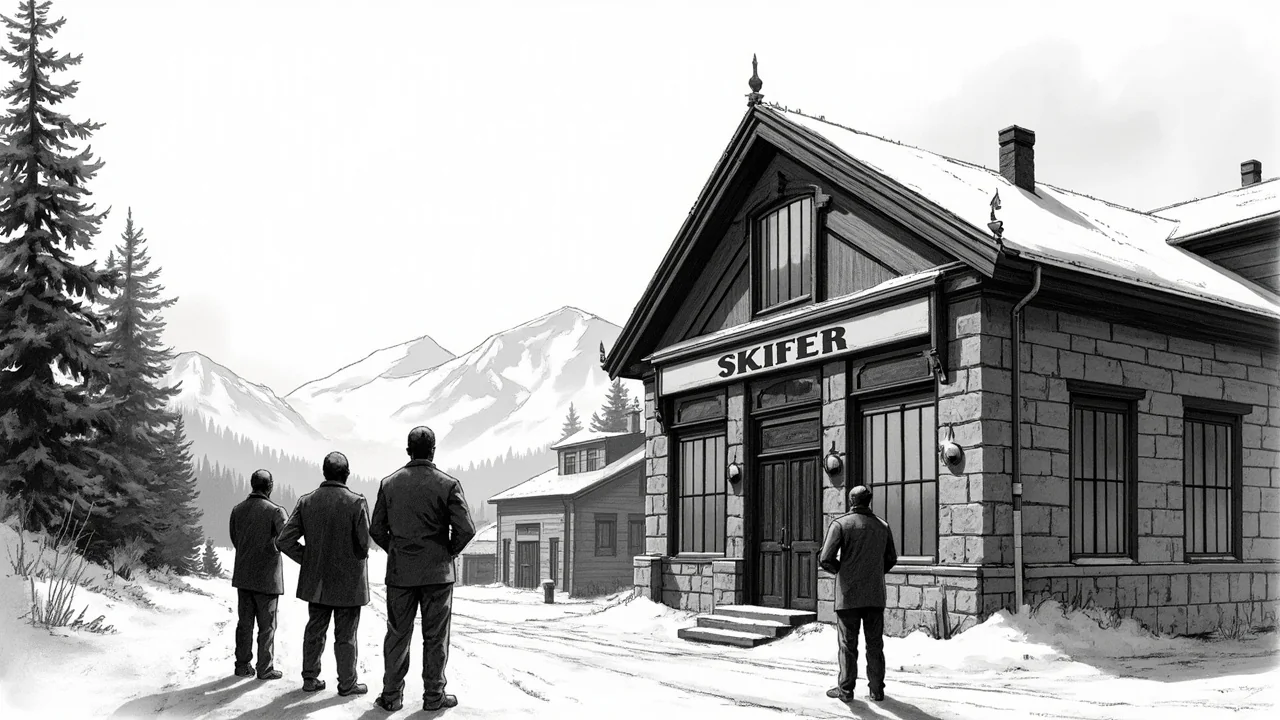
Norway's historic Otta Skifer company has filed for bankruptcy after 150 years of stone extraction in Gudbrandsdalen, marking a poignant end for a firm that just last year celebrated its sesquicentennial. The bankruptcy was opened last week, with board chairman Harald Tverberg stating he saw no other way out than to declare the company's dissolution. This collapse highlights the harsh realities facing traditional industries in rural Norway, as 17 employees lose their jobs and a legacy of craftsmanship faces an uncertain future. The irony is stark a business that endured through wars and economic shifts could not withstand the current pressures in the building and construction sector.
A Legacy Carved in Stone
Since 1875, the company now known as Otta Skifer has been quarrying stone from the Pillarguri slate quarry in Gudbrandsdalen, building a reputation for quality and durability. Its slate has graced some of Scandinavia's most prestigious projects, including Oslo Airport Gardermoen, the landmark Fyrtårnet in Stockholm, and the Viking Ship Museum on Bygdøy. Jon Suleng, the daily manager, pointed to the Vannkunsten installation in Bjørvika, Oslo, as a prime example. He called it the finest plot in the city, underscoring the unique and beautiful nature of their slate production. This history is not just about stone it's about generations of workers honing specialized skills in machinery and stonework, with some employees nearing 40 years of service. The company's 150th anniversary last year was a celebration of this enduring legacy, making the bankruptcy filing all the more jarring for the tight-knit community.
The Bankruptcy Decision and Human Toll
Board chairman Harald Tverberg described the day of the bankruptcy as a sad one, with the full reaction setting in days later. We have put a lot of soul and will into this, he said in a statement, reflecting the emotional weight of the decision. Daily manager Jon Suleng added that while employees from Gudbrandsdalen take things stoically, the news was still difficult to prepare for. He noted that the situation had been challenging in 2025 and became critical heading into 2026, with efforts to attract investors for fresh capital ultimately falling short. The formal dismissal of employees occurred in a meeting with the bankruptcy trustee this week, ending operations at the factory in Otta. Suleng is maintaining the facility in case of a sale, but for now, all production has ceased except for completing a few remaining orders. The loss of 17 jobs is a significant blow to Gudbrandsdalen, where Suleng admits there isn't a vigorous job market, leaving many hoping for a quick buyer to emerge.
Economic Pressures in the Construction Sector
The downfall of Otta Skifer is not an isolated incident but part of a broader trend affecting Norway's economy. Almost every fourth bankruptcy in 2025 was within the building and construction sector, driven by high interest rates, increased costs, and lower demand for new homes. This perfect storm has hit the industry hard, with traditional materials suppliers like slate quarries feeling the pinch. The skifer business has had some heavy years, Suleng said, pointing to these macroeconomic factors. While Otta Skifer's slate is unique, the decline in construction activity reduced demand for its products, exacerbating financial strains. This context underscores how even well-established firms with niche expertise are vulnerable to market shifts, particularly in regions reliant on single industries.
Hopes for a Future Revival
Despite the bankruptcy, there is a glimmer of hope that Otta Skifer's unique competencies might attract a buyer. Suleng believes the slate production is too special to disappear entirely, citing the unparalleled quality of the stone from Gudbrandsdalen. He expressed confidence that any potential buyer would want to retain the specialized knowledge of the workforce, as there aren't many businesses where you can find such skilled tradespeople. The company's assets, including the factory and equipment, are being kept in order for a possible sale. However, the path forward is fraught with uncertainty. Had I known what would happen, everything would be joy and fun, Suleng said, acknowledging the many unpredictable factors at play. The community now waits to see if investors will step in to revive this piece of Norwegian industrial heritage.