
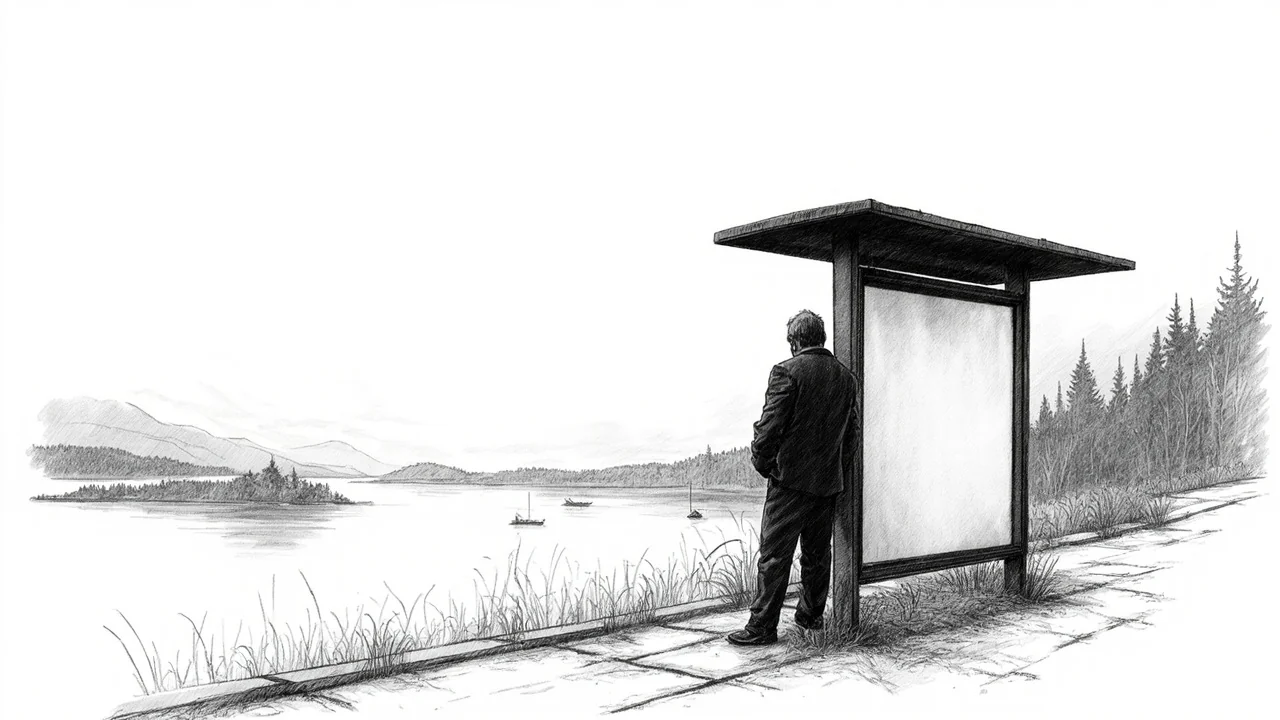
Norway police found one injured man in a bloodied and unconscious state at a Heimdal bus shelter in Trondheim early Monday morning. Emergency services rushed the individual to St. Olav's Hospital, where he remains under care. Authorities stated the man likely fell and sustained injuries while in an intoxicated condition, highlighting a recurring public safety concern.
A Grim Discovery in Suburban Trondheim
The bus shelter on a quiet residential street in Heimdal became the scene of an alarming discovery before dawn. A passerby or early morning commuter spotted the motionless man and alerted authorities. Police cordoned off the area briefly, but no signs of foul play were immediately detected. The incident disrupted the usual calm of this suburb, known for its proximity to Trondheim's technological institutes and family homes.
Trondheim, Norway's third-largest city, generally boasts low crime rates and efficient public services. This event stands in stark contrast to the city's reputation for safety and order. The quick response from police and ambulance teams underscores the readiness of Norwegian emergency systems. Yet, it also raises questions about vulnerability in public spaces, even in affluent Nordic nations.
Police Focus on Intoxication as Cause
Investigators have centered their initial assessment on alcohol involvement. In a statement, police emphasized that the man's injuries are consistent with a severe fall. They do not suspect any criminal activity at this stage. The focus now shifts to the man's recovery and understanding the circumstances that led him to the bus shelter.
Norway has strict regulations on public intoxication and a robust healthcare system to handle such cases. St. Olav's Hospital, a major university hospital, is well-equipped for trauma incidents. The man's condition has not been disclosed due to privacy laws, but his hospitalization indicates serious but non-life-threatening injuries. Police often collaborate with health services in these situations to provide support.
This incident mirrors numerous cases across Norway where alcohol contributes to accidents in public areas. While violent crime is rare, mishaps linked to substance use pose a consistent challenge. Norwegian police are trained to handle these scenarios with a blend of law enforcement and social care. The approach reflects the country's broader welfare model.
Alcohol and Public Safety: A Nordic Paradox
Norwegians enjoy high living standards, but alcohol consumption remains a sensitive topic. The government controls sales through the Vinmonopolet monopoly, and prices are high to discourage abuse. Despite this, incidents involving public intoxication occur, particularly in urban centers like Trondheim, Oslo, and Bergen. Experts point to cultural factors where drinking, though regulated, can sometimes lead to risky behavior.
Public health officials often cite the need for balanced policies that prevent harm without stigmatizing individuals. The man found in Heimdal represents a human face to a systemic issue. Community health nurses and social workers in Norway are integral to follow-up care. They work to address underlying issues such as loneliness or substance dependency that may lead to such accidents.
Nordic countries invest heavily in preventative measures, from education campaigns to accessible treatment programs. However, gaps persist, especially during late hours when public transport shelters can become unintended refuges. This case in Trondheim shows that even the most organized societies face complex social health dilemmas. It prompts reflection on urban design and support networks.
The Role of Emergency Services and Community
Norwegian emergency response times are among the fastest in Europe. The coordinated effort between police, ambulance crews, and hospital staff in this incident demonstrates this efficiency. St. Olav's Hospital, a cornerstone of central Norway's healthcare, plays a critical role. Its emergency department handles everything from minor injuries to major trauma, often without prior notice.
Local community watch programs and digital alert systems sometimes supplement official responses. In Trondheim, residents generally feel secure, but this event may spark discussions about nighttime safety patrols or better lighting at bus stops. Civic engagement is strong in Norway, and neighborhoods often rally to improve local conditions after such incidents.
Analysis from urban safety specialists suggests that passive surveillance—through well-lit and frequently used public spaces—can deter accidents. The Heimdal bus shelter, like many in Norway, is functional but may lack the human traffic during early morning hours to prevent isolation. Integrating safety into city planning is an ongoing conversation among Norwegian policymakers.
Looking Forward: Implications for Norwegian Society
This single incident, while minor in the grand scheme, touches on broader themes in Norwegian society. It highlights the intersection of public health, law enforcement, and social welfare. As the man recovers at St. Olav's, authorities may review local measures to prevent similar occurrences. Could increased community outreach or more visible assistance points make a difference?
Norway's commitment to egalitarian principles means that every individual's well-being matters. The empathetic response from emergency services reflects this value. Yet, challenges remain in ensuring that all citizens, especially those in vulnerable states, are protected from harm. The Trondheim case serves as a reminder that safety nets must be both strong and sensitive.
In the coming days, police may release more details if the investigation evolves. For now, the community's thoughts are with the injured man and his family. Such events, though distressing, often strengthen communal bonds in Norwegian cities. They prompt a collective evaluation of how to care for one another in public and private spheres.
As Norway continues to balance its high quality of life with social responsibilities, incidents like the Heimdal discovery offer crucial learning moments. They underscore the need for vigilance, compassion, and proactive policies in even the safest of societies. What steps will Trondheim take to ensure its bus shelters are places of waiting, not of last resort?