
Sweden's island of Gotland faces a profound challenge to its summer tourism economy. Residents in Visby have been boiling their drinking water for over 50 days due to parasite contamination, a situation business owners fear could derail the critical summer season. The local recommendation has been in effect since December 3rd after discoveries of parasites and plankton rendered the tap water unsafe. For restaurateur Simon Kanellos, the situation represents a 'do or die' scenario for the island's primary industry.
A Daily Struggle for Residents
Peder Tignér carefully crosses icy ground at Gutavallen to fill a plastic container from a Region Gotland water tank. He describes the unsettling experience from last summer. 'When you showered and brushed your teeth, the water smelled like mud,' Tignér said. 'I said: 'Damn, I'm not drinking this water – it's disgusting!'' His routine is now shared by thousands. The official boil-water advisory compels every household to treat all water intended for drinking or cooking, a burdensome daily task that has defined life on the island for nearly two months. The constant need to boil, cool, and store water adds hours to basic domestic chores, straining routines during the dark winter months.
Businesses Brace for Summer Impact
For the hospitality sector, the logistical nightmare is magnified. Simon Kanellos and his sister Ellen run Bageriet, a quarter restaurant near Stora Torget. They estimate using about 30 liters of boiled water daily. 'It's constantly boiling water that then has to be cooled and filled into water bottles or used to rinse vegetables in the kitchen,' Ellen Kanellos explained. 'We use water for everything.' The quality is also an issue, with boiled and cooled water offering a poor substitute for fresh tap water. Their primary concern is scalability. This extra workload is manageable in the quiet winter but impossible during the summer high season when Stockholm tourists flood the island. 'It's lucky this is happening now, because in the summer we wouldn't have a chance,' Simon Kanellos stated flatly. 'It would never work.'
The Uncertain Timeline for a Solution
Regional authorities have provided a preliminary assessment suggesting the boil-water notice could be lifted by the end of February. This timeline creates intense anxiety. A delay of even a few weeks could directly impact the pre-season preparations and early tourist arrivals. 'It's a bit of a 'do or die' situation there at the end of February before the tourists come,' Simon Kanellos said, expressing fear the prognosis will crack. 'You simply can't say the end of March, because then it's really fragile.' The psychological impact of uncertainty is as damaging as the physical inconvenience, leaving businesses unable to plan or reassure potential visitors.
Gotland's Underlying Vulnerabilities
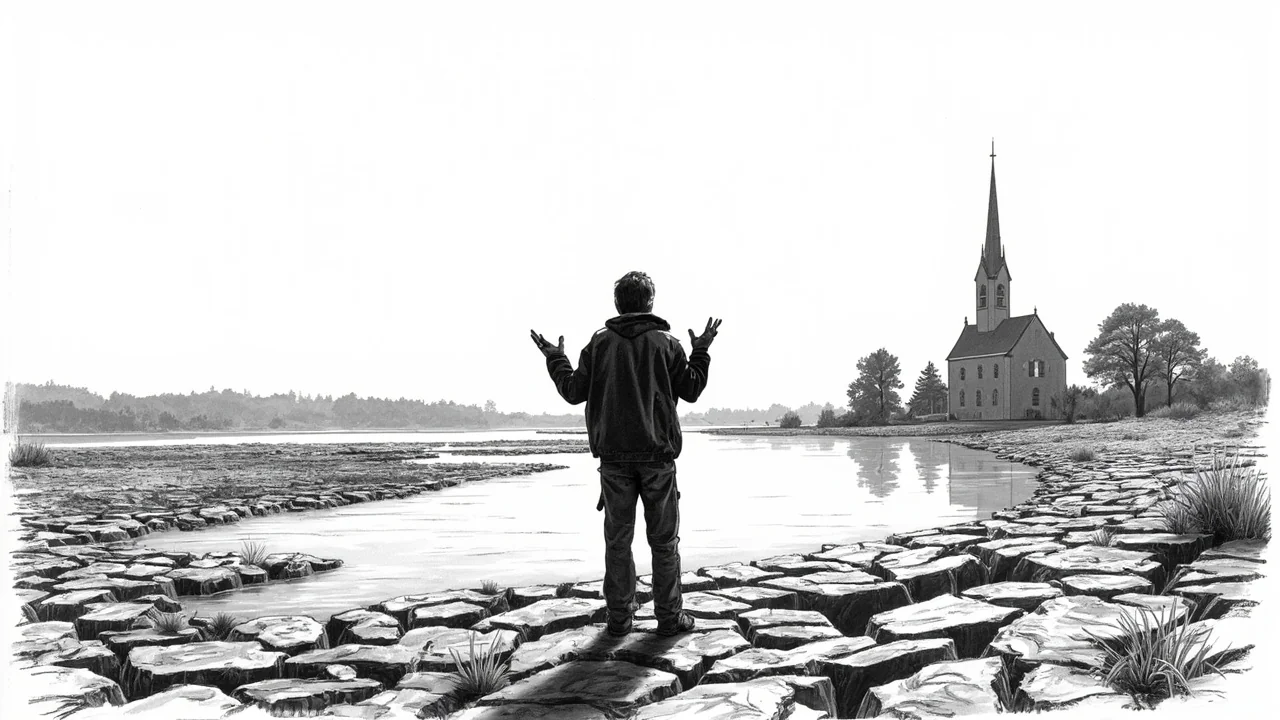
This incident highlights Gotland's structurally vulnerable drinking water supply. The island's bedrock consists mainly of fissured limestone. This geological formation allows surface water to seep down through the cracked stone, making aquifers highly susceptible to contamination from surface-level pollutants, agricultural runoff, or biological agents. It is a chronic challenge that requires sophisticated, resilient water management infrastructure. The current parasite problem is not an isolated event but a symptom of this broader environmental sensitivity that local government must perpetually manage.
A Compounding Crisis for the Island
The water crisis compounds other significant pressures on Gotland's livability and appeal. The island has suffered repeated power outages in recent years. Simultaneously, transportation costs are rising, with both flight and ferry tickets becoming more expensive. Together, these issues paint a worrying picture for long-term sustainability. 'In the long term, you become worried about how this affects the island,' Simon Kanellos reflected. 'We want people to be able to come here to live and visit, and this is not the world's best PR. We think we are on the world's best island, but the most basic things really need to work.' The sentiment echoes across the business community, which depends on Gotland's reputation as a pristine and well-functioning destination.
The Economic Stakes of a Pristine Reputation
Tourism is the lifeblood of Gotland's economy, with the summer season supporting a vast network of hotels, restaurants, shops, and activity providers. A prolonged water safety issue strikes at the heart of the island's brand. Visitors expect not only beauty and history but also modern reliability and basic safety. A continued boil-water notice into the spring marketing period would force businesses to issue uncomfortable warnings to guests, potentially driving cancellations. The local government faces a race against time to resolve the contamination issue fully and restore public confidence, not just in the water, but in the island's overall governance and infrastructure.
Looking Beyond the Immediate Fix
While engineers work to purify the water supply, larger questions loom. The episode forces a conversation about investment in Gotland's critical infrastructure. Can the water system be made more resilient against such biological incursions? Is the current management and monitoring regime sufficient for the island's unique geology? Residents and business owners are now acutely aware that solving February's crisis is only the first step. Preventing a recurrence is essential for long-term peace of mind and economic security. The coming months will test both the technical response and the political will to secure Gotland's future against environmental vulnerabilities.
The people of Gotland now wait, water kettles in hand, for a definitive all-clear. For them, the end of February represents more than a date on a calendar. It represents the threshold of their economic survival and the restoration of normal life on their beloved island. The world watches to see if this Swedish paradise can swiftly overcome its most fundamental challenge.