
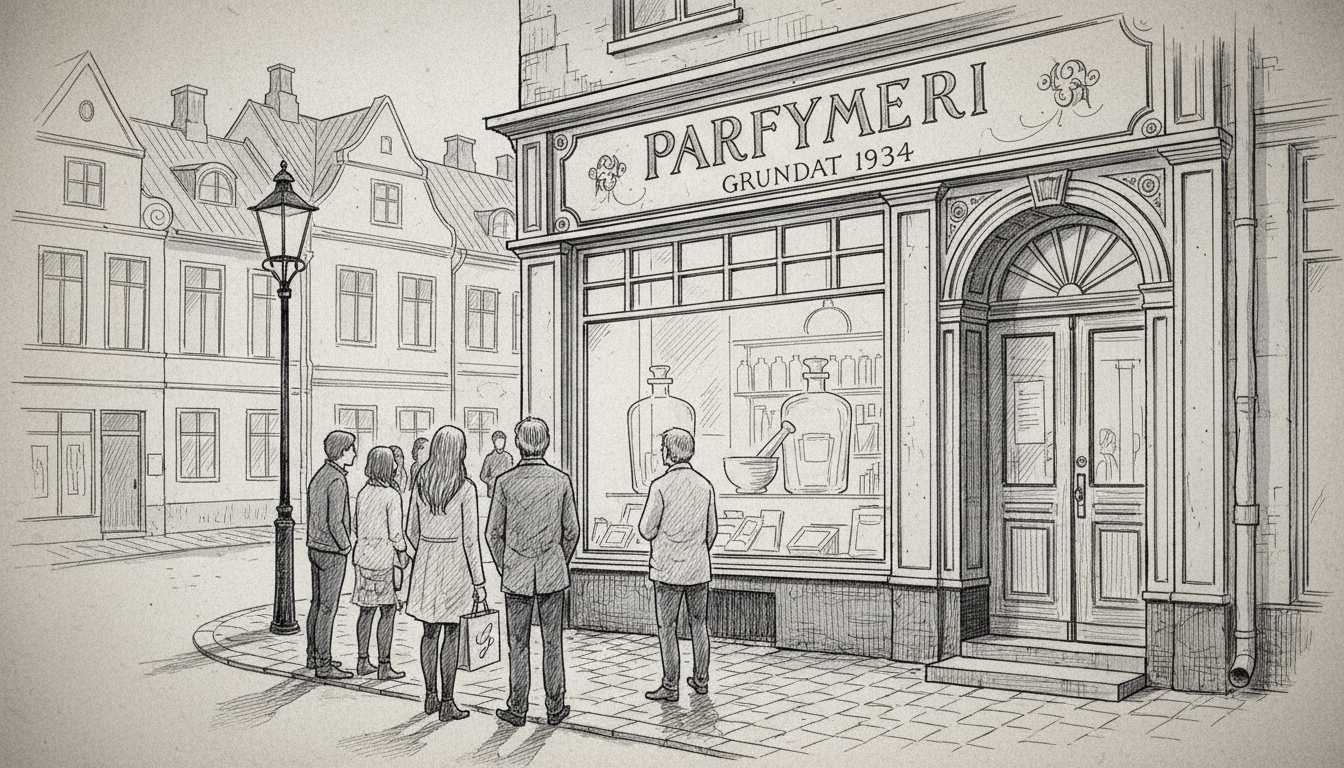
A beloved Gothenburg institution has returned to life. The historic perfumery known as Björnen closed its doors earlier this fall after nine decades at the same address. Now, a new shop is breathing fresh life into those same storied premises in central Gothenburg.
This reopening represents more than just retail news. It signals a cultural preservation effort in Sweden's second-largest city. Local residents watched with concern as the original business shuttered. Many wondered if another chain store would replace this piece of local history.
The new establishment maintains the building's architectural charm. It honors the legacy of Swedish retail traditions while adapting to modern consumer needs. This balance between preservation and progress defines contemporary Swedish urban development.
Gothenburg's city center has undergone significant transformation in recent years. The area around the former Björnen location reflects broader Swedish society trends. Traditional shops face pressure from online retailers and changing shopping habits. Yet there remains strong public appreciation for physical stores with character and history.
Local business owners expressed relief about the reopening. One nearby shopkeeper described the importance of maintaining diverse retail options. They emphasized how unique stores contribute to Gothenburg's distinctive identity.
The new shop's arrival comes during a challenging period for Swedish retail. Many cities struggle with vacant storefronts in central areas. This successful reuse of a historic space offers hope for other traditional shopping districts.
Swedish consumers increasingly value sustainability and local connections. They prefer supporting businesses with roots in their communities. This cultural shift may explain why the new establishment chose to honor the location's history rather than completely reinvent it.
The perfumery's revival demonstrates how Swedish cities preserve their character amid modernization. It shows that historic spaces can find new purposes while maintaining their soul. This approach to urban development reflects broader Swedish values of continuity and thoughtful change.
International visitors often remark on Sweden's ability to blend old and new. This Gothenburg story perfectly illustrates that national characteristic. The city gains another destination that tells Sweden's ongoing story through its commercial spaces.
What does this mean for Swedish retail's future? It suggests that heritage and modernity can coexist successfully. Other cities facing similar challenges might look to this Gothenburg example for inspiration.
The shop's reopening represents a small victory for urban preservation advocates. It proves that historic locations can adapt without losing their essence. This balance remains crucial as Swedish cities continue evolving.