
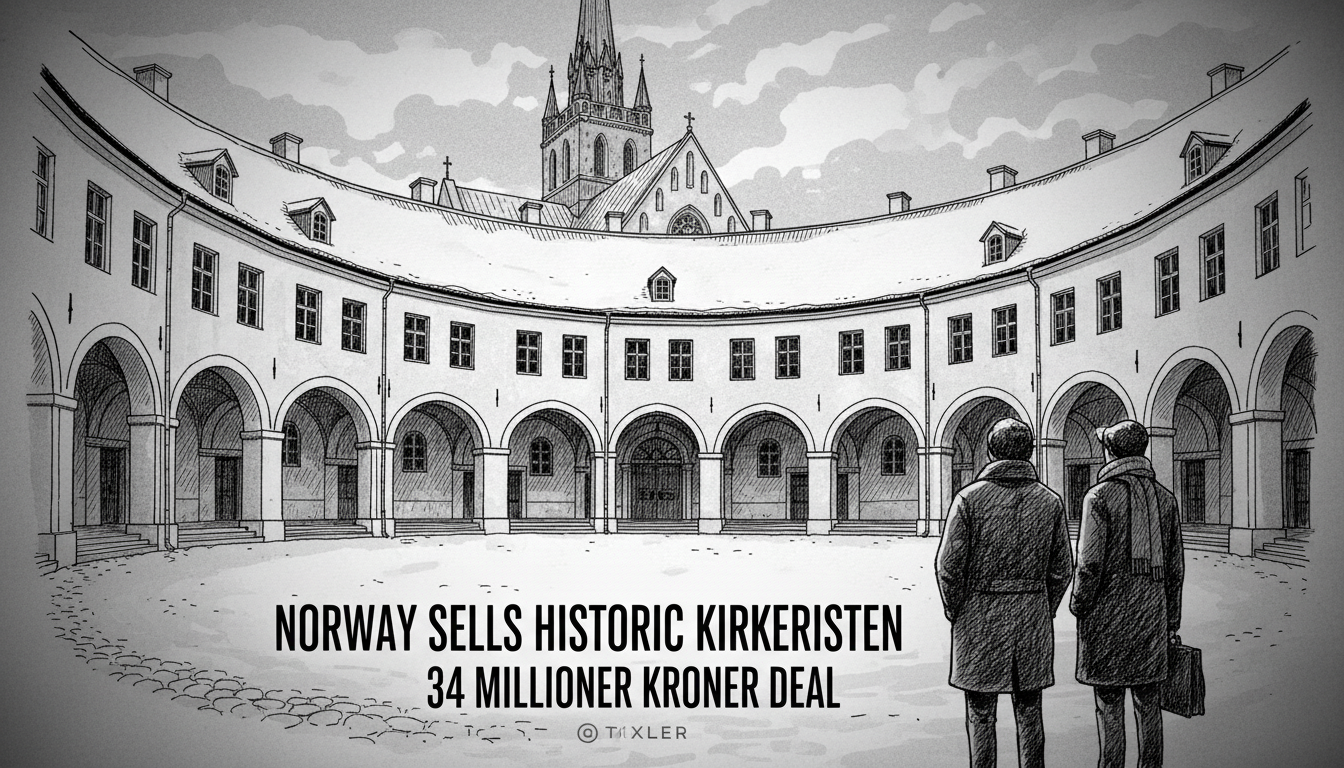
Oslo municipality has sold the historic Kirkeristen building to Fauna Eiendom and Andenergy for 34 million kroner. The sale of the 19th-century cultural monument, designed by famed architect Christian H. Grosch, is now pending final approval from the Oslo City Council. The transaction has been clouded by allegations from a losing bidder, Maximgruppen, which claims the municipality and its broker mishandled the process by revealing bidder identities.
A Controversial Sale of Cultural Heritage
The sale represents a significant moment in Oslo's ongoing struggle to manage its historical assets. Municipalities across Norway frequently face difficult choices between generating revenue and preserving public heritage. Kirkeristen, a distinctive row of buildings near Oslo Cathedral, has served multiple purposes since its construction in the 1840s. Originally housing slaughterhouse stalls, it later transitioned to commercial and artistic use. Its sale removes a piece of architectural history from public ownership, a move that often sparks debate about the long-term stewardship of cultural landmarks.
Christian H. Grosch's legacy is woven into Oslo's cityscape, with the Stock Exchange and the National Theatre among his other works. Selling a building of this architectural pedigree requires careful consideration. The 34 million kroner price tag will inject funds into the municipal coffers, but analysts question whether the financial gain outweighs the permanent loss of control over a heritage site. The building's future use now rests entirely with its new private owners.
Allegations of a Flawed Bidding Process
Maximgruppen, one of the competing bidders, has publicly accused the municipality's broker of committing serious errors. The core allegation is that the broker disclosed the names of the bidders during the process, potentially compromising competition and confidentiality. In a competitive real estate market, such disclosures can influence strategy and undermine the principle of a fair, blind bid. The broker involved has acknowledged a mistake was made but contends it did not ultimately affect the competitiveness of the sale.
This dispute highlights the intense scrutiny surrounding public asset sales. Transparency and procedural integrity are non-negotiable for maintaining public trust. When a municipality sells property, it acts as a custodian of public wealth. Any perceived irregularity, even if technically minor, can erode confidence in the government's handling of valuable assets. Legal experts note that while procedural errors may not invalidate a sale, they can lead to legal challenges and reputational damage for the city administration.
The Balancing Act: Revenue vs. Stewardship
Oslo municipality manages one of Norway's most extensive and valuable public property portfolios. Sales like this are part of a constant balancing act. City planners must weigh immediate budgetary needs against the long-term value of retaining historical buildings. Some properties are sold to fund new infrastructure or public services. Others are divested because their maintenance costs exceed their utility to the public. The decision to sell Kirkeristen suggests the municipality classified it in the latter category.
Real estate analysts observing the Norwegian property market point to a broader trend. Many Scandinavian cities are grappling with how to repurpose historic buildings for modern use. The challenge is finding owners who will invest in sensitive restoration while ensuring the building remains accessible or beneficial to the public realm. The involvement of Fauna Eiendom and Andenergy suggests a commercial future for Kirkeristen. Their plans for the property will be closely watched by heritage advocates and local residents.
Urban planning specialists emphasize the importance of contextual development. Kirkeristen sits in a central area of Oslo, meaning any significant alterations or new use will impact the character of the neighborhood. The City Council's approval, while likely a formality, is the final checkpoint where these broader urban planning considerations can be formally assessed. Council members will need to be satisfied that the sale process was sound and the new owners are suitable custodians.
What's Next for Kirkeristen?
The immediate next step is the Oslo City Council vote. While council approval is typically granted for such transactions, the controversy over the bidding process may prompt tougher questions from opposition politicians. They may demand a more detailed explanation of the alleged error and seek assurances that the final sale price represents full market value. The council's deliberation will be a test of the municipal administration's handling of the entire affair.
Looking ahead, the future of Kirkeristen itself remains an open question. Will the new owners pursue a high-end commercial development, or might they explore a mix of uses that include cultural elements? The building's historical status as a protected cultural monument (kulturminne) imposes legal restrictions on external alterations, but interior renovations and change of use are within the realm of possibility. The sale concludes the municipality's role, but it begins a new chapter in the building's long history.
The controversy serves as a case study for other Norwegian municipalities considering similar sales. It underscores the necessity of flawless execution in public procurement and sales processes. Even a minor misstep can overshadow the substantive merits of a decision, drawing attention away from the strategic rationale for the sale and toward questions of administrative competence. For Oslo, the episode is a reminder that managing the city's past is often just as complex as planning for its future.
Ultimately, the sale of Kirkeristen is more than a simple property transaction. It is a transfer of cultural responsibility from the public to the private sector. The 34 million kroner will be accounted for in the city's budget, but the true cost or benefit of this decision will be measured in decades, not fiscal years. It will be seen in the building's physical preservation, its contribution to the city's streetscape, and the public's enduring connection to a tangible piece of Oslo's architectural story. The success of this deal hinges not on the price paid, but on the care taken by its new owners in the years to come.