
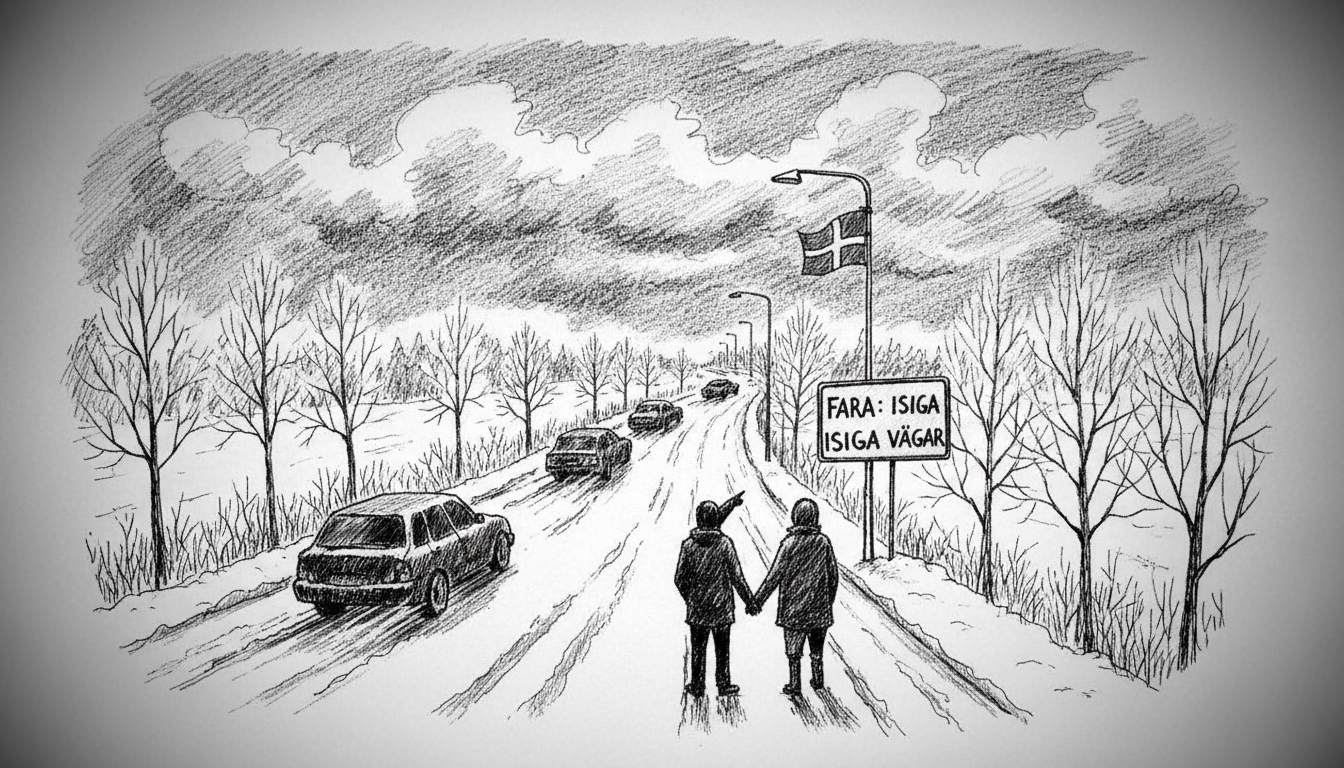
Sweden Christmas travel periods consistently see a 30-40% increase in minor traffic accidents due to winter conditions, according to historical Transport Administration data. This year, as families across the nation embarked on their annual pilgrimages to holiday gatherings, a morning on Ekerö Island turned into a stark reminder of those risks. At 9:30 AM, a car hit a lamppost and rolled over, blocking the road. 'The person was conscious and talking. The lamppost was lying right across the roadway,' said Anders Sessler, the officer in charge at Södertörn Fire and Rescue Service. The driver, thankfully not seriously injured, was checked by ambulance crews. Sessler noted icy patches on minor roads throughout the region, a common December hazard.
A Nation on the Move
For Swedes, the days before Christmas Eve are a sacred travel window. The tradition of returning to one's hometown or family summerhouse—the sommarstuga—is deeply ingrained. This mass migration puts millions on roads, rails, and ferries. In Stockholm, neighborhoods like Östermalm quiet down while arterial routes like the E4 and E20 swell with cars packed with gifts and glögg (mulled wine). The pressure to reach loved ones for the julbord (Christmas buffet) often clashes with the realities of Scandinavian winter, creating a perfect storm for travel disruptions.
The Halka Hazard: More Than Just Slush
Icy roads—halka—are the primary antagonist of Swedish winter travel. While main highways are diligently plowed and salted, smaller rural roads and suburban lanes, like those on Ekerö, can be treacherous. 'Black ice forms quickly, especially near forests and lakes,' explains Lars Molin, a retired traffic safety instructor with Trafikverket. 'Drivers accustomed to city conditions might be caught off guard the moment they turn onto a county road.' The problem isn't just snow; it's the freeze-thaw cycles that glaze surfaces with nearly invisible ice. This year, a mild early December followed by a cold snap has experts particularly concerned about widespread halka.
Will the Snow Hold? The White Christmas Lottery
Beyond traffic, the other great preoccupation is the weather. The dream of a vit jul (white Christmas) is a cultural touchstone. In Stockholm, the probability hovers around 50% in any given year. Further north in Kiruna, it's nearly guaranteed. This meteorological lottery adds another layer to travel planning. Will you need snow chains? Will flights from Arlanda be delayed? Families in southern cities like Malmö often watch forecasts with envy, while those in the north brace for deeper snowfalls that can isolate villages. The weather shapes not just the journey, but the very character of the holiday itself.
Voices from the Road: Stories of Patience and Frustration
At a roadside cafe near Södertälje, Anna and Pettersson from Vasastan shared their experience. 'We left at 5 AM to beat the traffic to Gothenburg,' Anna said, stirring her coffee. 'But you can't beat the ice. We saw two cars in the ditch near Örebro. It makes you slow down, think about what's important.' This sentiment is common. The travel chaos becomes a shared national experience, a topic of conversation as ubiquitous as the weather itself. For new immigrants experiencing their first Swedish Christmas, it's a rite of passage. 'In my home country, we don't have this kind of winter travel,' said Marco Silva, a Portuguese IT worker living in Hammarby Sjöstad. 'My Swedish colleagues warned me. Now I understand why.'
Expert Advice: Navigating the Holiday Rush Safely
Safety campaigns flood media this time of year. The advice is simple but vital. 'Winter tires are non-negotiable. Not all-season tires—proper Nordic winter tires with the mountain symbol,' stresses Molin. He also emphasizes increasing following distance by at least double and reducing speed well below posted limits on unfamiliar roads. For long trips, packing an emergency kit with blankets, a flashlight, and snacks is a wise Swedish tradition. Public transport, while busy, is often a safer and more reliable bet. SJ trains running north from Stockholm Central are fully booked, but they bypass the icy asphalt altogether.
Beyond the Accident: A Cultural Mirror
This annual travel frenzy reflects deeper Swedish societal trends. It underscores the importance of family and tradition in a modern, dispersed society. It also highlights urban-rural divides, as city dwellers return to roots in the countryside. The collective deep breath the nation takes when everyone is finally home, the candles lit, is palpable. The risks on the road are the price paid for this connection. In recent years, some families have begun breaking tradition, celebrating jul where they live to avoid travel. Yet, for most, the pull of home is stronger than the fear of halka.
Looking Ahead: A Call for Caution and Coziness
As Christmas Eve approaches, authorities urge continued vigilance. The days after Christmas, when return travel begins, often see similar patterns. The ultimate goal is for the only shocks to come from the festive julmust drink, not from a skid on an icy bend. This year's events on Ekerö serve as a reminder. The Swedish Christmas is a beautiful, cherished time, built around light in the darkness. Ensuring everyone arrives safely to enjoy that light is the most important tradition of all. Will this be the year we finally learn to slow down?