
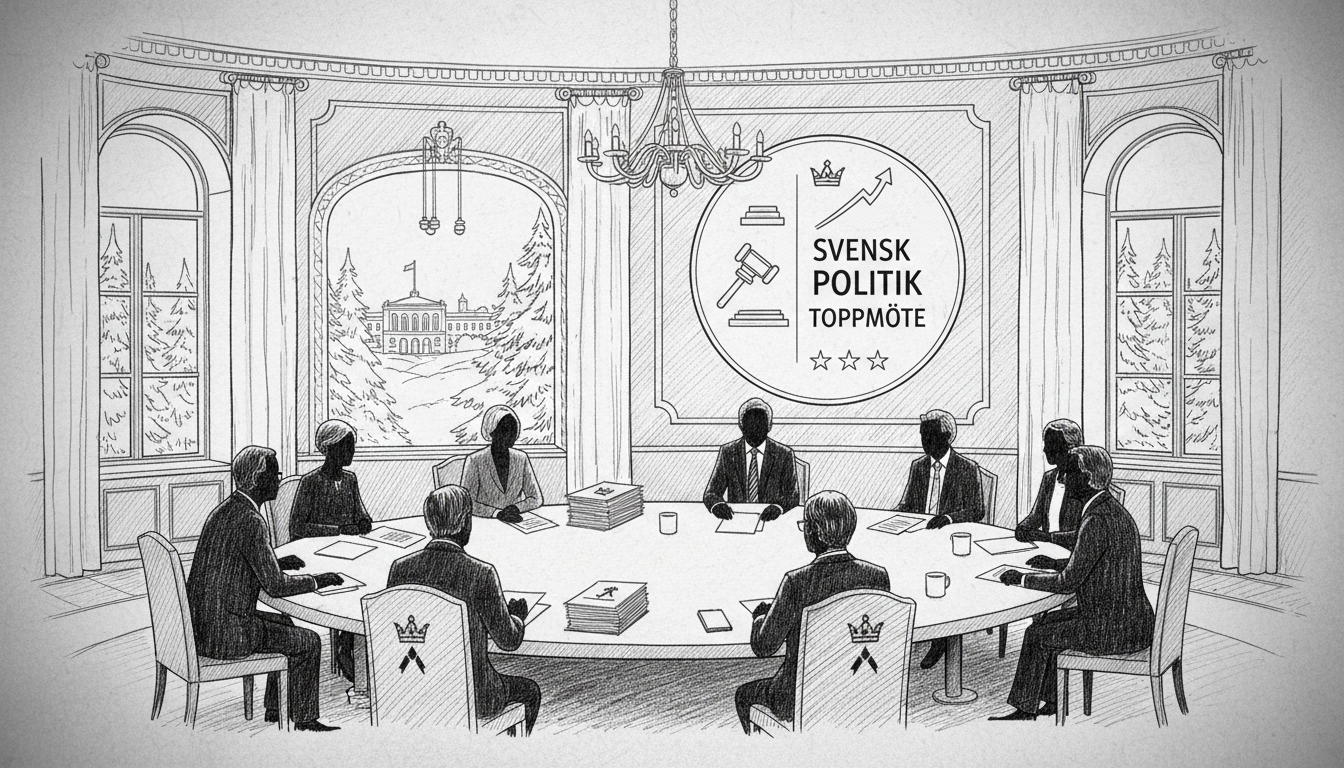
The Swedish government is holding a high-level political summit at the Prime Minister's official residence in Strängnäs. This informal meeting brings together party leaders to discuss critical national issues. The agenda focuses on everyday crime, economic growth, and integration policy. These topics represent core challenges for the current administration. The discussions will shape upcoming Riksdag decisions and government policy in Sweden.
A press conference will follow the closed-door talks. Local police will monitor the event but report no major security cordons. Neighbors received notices to move their vehicles. One resident, Helena Segnestam Rosengren, described the situation as exciting. She lives directly next to the Prime Minister's home. The police anticipate a media presence outside the residence after the meeting concludes.
These informal summits, often called 'Tidömöten', are a staple of Stockholm politics. They occur periodically at the Sager House residence. The location is just a short distance from the formal government offices at Rosenbad. These gatherings allow for frank discussion outside the Riksdag building's formal setting. They aim to build consensus on difficult policy areas before legislation reaches parliament.
Historical context shows these meetings often precede major legislative packages. The outcomes can signal shifts in government policy Sweden. The focus on integration and crime suggests these are priority files. Analysts watch for any public statements of agreement or clear divergence. The Prime Minister's press secretary confirmed the meeting's broad topics. She stated the leaders would address pressing societal concerns.
The choice of location is itself a political signal. Using the official residence adds a layer of informality to high-stakes talks. It contrasts with the more rigid protocols of the government districts in central Stockholm. This setting has historically facilitated breakthroughs on stalled policies. The results will likely influence the parliamentary calendar for the coming months.
What does this mean for Swedish governance? These summits test the government's ability to build cross-bench support. Success requires navigating a complex political landscape. The Swedish Parliament operates with a delicate balance of power. Major reforms need broader backing than a simple majority. This meeting is a practical attempt to find common ground on divisive issues.
The direct implications for international observers involve policy stability. Clear agreements here can streamline legislative processes. They reduce political uncertainty for businesses and communities. The discussions on growth are particularly relevant for economic forecasts. The integration debate touches on social cohesion and labor market dynamics. These are all areas where Riksdag decisions have real-world impact.
In summary, this summit is a key mechanism in Swedish democracy. It blends informal negotiation with formal parliamentary procedure. The topics on the table are the nation's most persistent challenges. The government's ability to find solutions here will be a true test of its effectiveness. All eyes will be on the subsequent press conference for any announced agreements or clear statements of continued disagreement.