
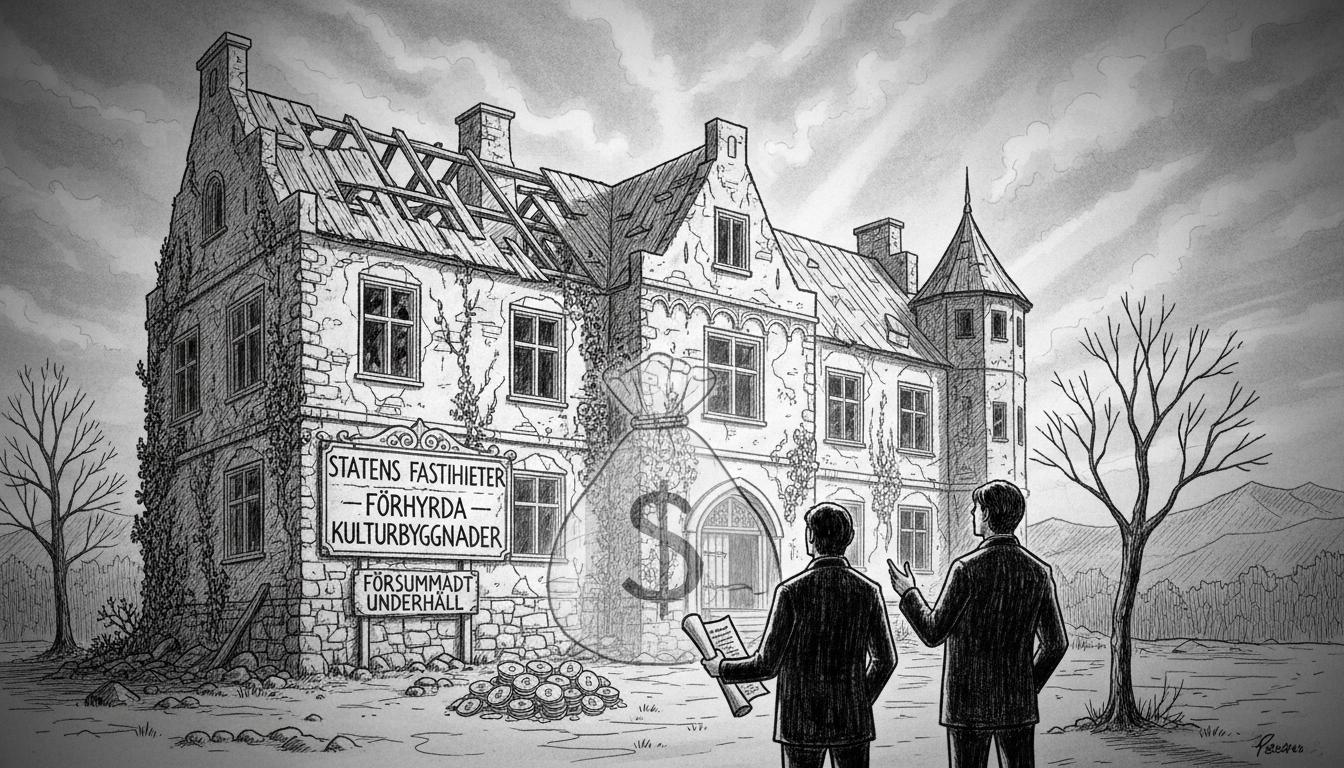
Sweden's National Audit Office reveals a troubling pattern of neglect in maintaining historically significant government properties. The agency responsible for these cultural treasures has failed to address long-standing maintenance issues despite repeated warnings. The problems have persisted for at least two decades according to the audit report.
Johanna Köhlmark, the project leader for the investigation, stated that authorities have examined these concerns in cycles over many years. The issues remain unresolved despite being well-documented. The National Property Board manages properties of cultural historical value that the state has special responsibility for preserving.
The audit uncovered another concerning practice. Rental operations for some properties operate under outdated return requirements. These properties generate substantial surpluses that have built up nearly 8 billion kronor in agency capital. The current system prioritizes profit over preservation according to critics.
This situation reflects broader challenges in cultural heritage management across Nordic countries. Sweden maintains thousands of protected buildings and sites representing centuries of architectural and cultural history. Proper maintenance requires specialized skills and materials that often exceed standard construction costs.
The National Audit Office now recommends the government investigate how to properly maintain these culturally important properties. They suggest reforming the current financial model that separates rental income from necessary maintenance funding.
What does this mean for Sweden's cultural heritage? Many historically significant buildings face gradual deterioration that could become irreversible without immediate action. The accumulated maintenance backlog represents both a financial challenge and a threat to national cultural identity.
International observers note similar patterns in other Nordic nations where aging building stocks require increased public investment. The Swedish case highlights the tension between preserving cultural heritage and managing public finances responsibly. The government must now decide whether to allocate additional resources or risk permanent damage to nationally important properties.
The audit report comes during ongoing debates about cultural funding priorities in Sweden. Some experts argue that cultural preservation often receives lower priority than contemporary cultural projects in budget discussions. This imbalance could have long-term consequences for historical conservation efforts.
Property maintenance specialists emphasize that delayed repairs typically cost significantly more than regular upkeep. The current approach may create much larger future liabilities for taxpayers while risking irreversible damage to cultural assets. The government faces pressure to develop a sustainable long-term strategy for preserving Sweden's architectural heritage.