
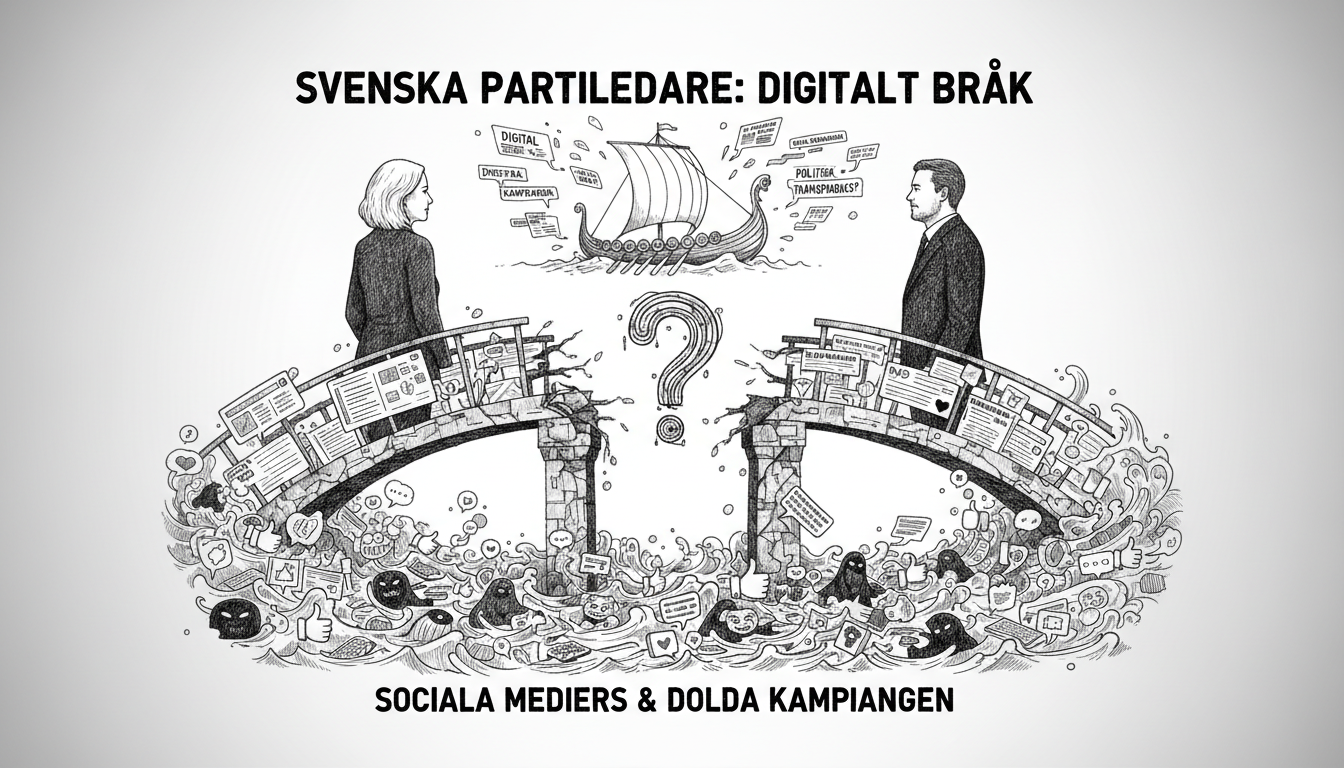
A heated debate in the Swedish Parliament has exposed deep divisions over political influence operations. The clash centers on allegations that both major parties use covert social media campaigns. The dispute erupted during a televised debate between opposition leaders.
Social Democrat leader Magdalena Andersson faced direct accusations from Sweden Democrat leader Jimmie Åkesson. Åkesson labeled Andersson's statements as hypocrisy during the exchange. He specifically referenced a media investigation into AiP Media, a company owned by the Social Democratic Party.
The investigation revealed AiP Media spreads targeted political messages through websites and social media accounts. These accounts often use memes and operate with unclear ownership transparency. Critics argue the company collects and uses data in questionable ways.
Andersson defended her party's position in the debate. She stated AiP operates independently from direct party decision-making. She then redirected criticism toward past Sweden Democrat activities.
Andersson described hundreds of anonymous accounts linked to Sweden Democrat staff. She claimed these accounts operated on an industrial scale to manipulate political discourse. The alleged purposes included spreading white power propaganda, pro-Russian narratives, and mocking women.
Åkesson rejected these characterizations as deflective. He argued the Social Democrats engage in similar anonymous social media activities. He distinguished them as humor and satire accounts on platforms like TikTok.
The core of Åkesson's accusation involves data collection practices. He claimed the Social Democrat-linked operation deceives youth and maps their digital footprints. This occurs through tracking data from social media visits, according to his statements.
This conflict reflects broader tensions within Stockholm politics regarding digital campaigning. The Riksdag has previously debated legislation on political transparency online. Current Swedish law requires clear identification for political advertising, but loopholes exist for organic content.
The Swedish government faces increasing pressure to clarify regulations for party-affiliated entities. Previous Riksdag decisions have focused on election interference from foreign actors. This domestic scandal shifts the focus to internal party conduct.
Political analysts note this dispute highlights a systemic issue. Both left and right-wing parties in Sweden now invest heavily in digital influence. The line between legitimate political communication and covert manipulation has blurred significantly.
The debate's location in the Riksdag building adds institutional weight to the allegations. Such public accusations between opposition leaders are uncommon in Swedish political culture. The formal setting typically reserves for policy disagreements, not personal accusations of hypocrisy.
This scandal could impact upcoming committee reviews of media ownership laws. Several ministers from the current government coalition have called for stricter oversight. They cite the need to protect democratic discourse from hidden manipulation.
The immediate implication is a loss of public trust in political communication. Swedish voters increasingly question the authenticity of online political content. This erosion of trust presents a challenge for the entire political establishment.
Long-term consequences may include new legislative proposals from the Swedish government. These could mandate greater transparency for all party-linked media and digital operations. The outcome will depend on coalition dynamics within the Riksdag.
The honest analysis is that both parties appear engaged in activities they publicly condemn. This political duel reveals a gap between public rhetoric and private campaign tactics. Swedish democracy now faces a practical test of its digital integrity frameworks.