
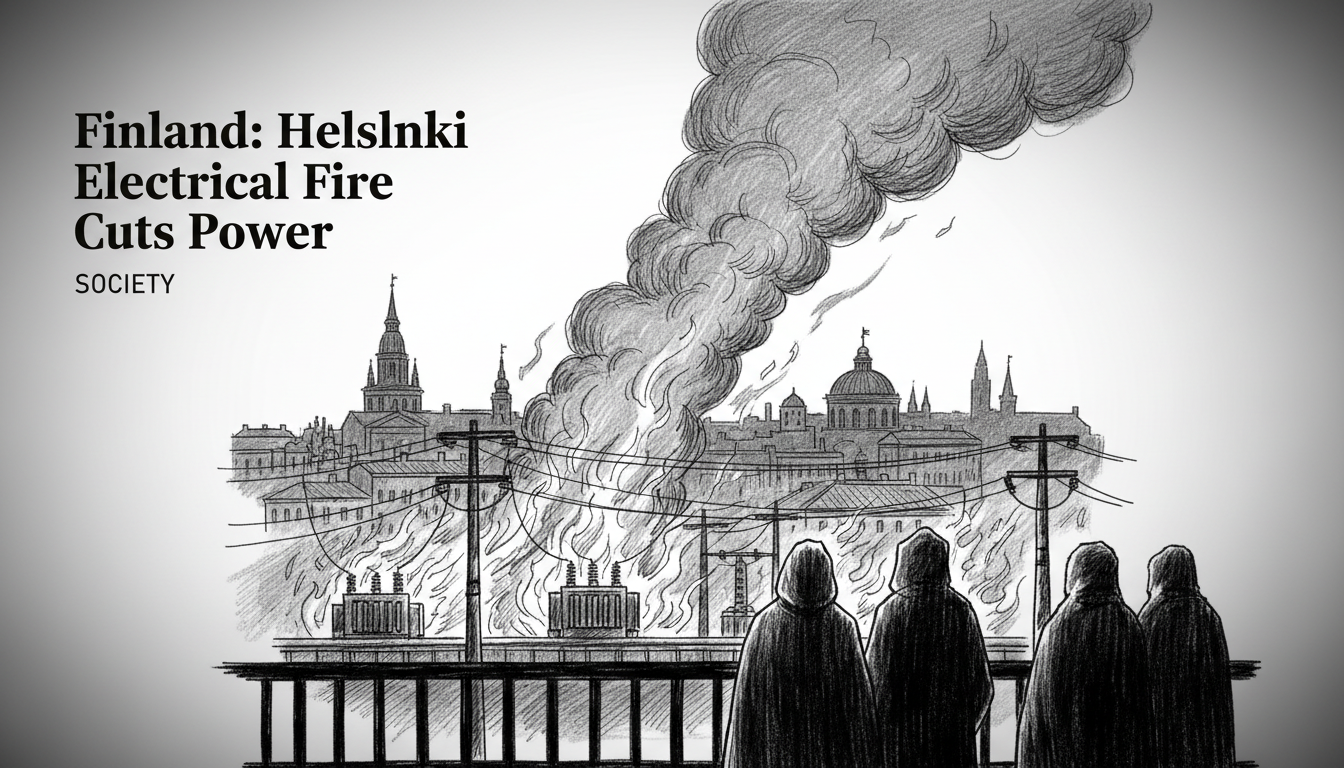
Helsinki fire crews responded to an 8:45 PM alarm for an electrical fire that severed power to an entire Ruskeasuo apartment building, plunging dozens of households into darkness. The blaze in the main electrical center on Tenholantie was extinguished by the Helsinki Rescue Department, but officials warn restoring electricity will be a complex, time-consuming process. No residents were injured in the incident, which has left a multi-story building without essential services overnight.
Firefighters contained the flames quickly after the evening alert. The focus now shifts to damage assessment and the intricate work of repairing the building's crippled electrical infrastructure. Päivystävä palomestari Vesa Paatelma, the duty fire chief, stated the situation clearly. 'It is very difficult to estimate when the electricity will be functioning in the building again,' Paatelma said, highlighting the uncertainty facing residents.
Emergency Response on Tenholantie
The call to the Helsinki Rescue Department came at a critical hour, as many families were settling in for the evening. The fire originated in the sähköpääkeskus, the main electrical distribution hub for the building. Such centers house meters, circuit breakers, and the main connections from the grid, making them a single point of failure. Their location often within basements or dedicated utility rooms can complicate firefighting access and initial damage evaluation.
Initial reports confirmed the fire was isolated and did not spread to residential units. This prevented a larger catastrophe and allowed crews to focus solely on the electrical room. The speed of the response from Helsinki's fire services likely prevented more extensive damage. However, the intense heat and smoke from an electrical fire can devastate sensitive components, requiring wholesale replacements.
The Challenge of Restoring Power
Restoring electricity after such an incident is never a simple switch-flip. Safety regulations demand a thorough inspection by certified electricians before any power is reintroduced. Every wire, conduit, and connection point must be examined for heat damage, melting, or weakness that could cause a secondary fire. The central distribution board and its components may need to be entirely replaced, a process that involves sourcing parts and coordinating with the city's power utility, Helsingin Energia.
'Electrical fires in residential buildings often stem from aging infrastructure, overloaded circuits, or faulty installations,' explains a senior Finnish safety inspector familiar with such cases, who spoke on background. 'The repair timeline depends entirely on the extent of the damage. If the main incoming cables are affected, it becomes a major utility project.' For the residents of the Tenholantie building, this means a potentially prolonged period without lighting, refrigeration, heating, and internet connectivity.
Ruskeasuo: A Quiet Neighborhood Disrupted
Ruskeasuo, situated roughly five kilometers north of Helsinki's bustling city center, is primarily a residential enclave known for its blend of apartment blocks and green spaces. The neighborhood exemplifies much of Finland's urban housing stock: well-maintained but often decades-old buildings where essential systems can show their age. Incidents like this fire test the resilience of such communities and the municipal support systems in place.
The disruption on Tenholantie underscores how a localized technical failure can have immediate, profound effects on daily life. Neighbors may be offering support, and the city's social services likely have protocols for assisting vulnerable residents in such blackouts. However, the event raises quiet questions about preventative maintenance and the lifecycle of electrical systems in Finland's housing cooperatives (taloyhtiöt), which are responsible for building upkeep.
Electrical Safety and Finnish Building Codes
Finland has stringent building and fire safety codes, many aligned with EU directives on construction product standards and safety. Regular inspections are mandated, but the focus often leans toward common areas and fire alarms rather than the gradual degradation of internal wiring. This fire may prompt a wider discussion in Helsinki's property management circles about proactive electrical system audits, especially in buildings constructed during the rapid urbanization periods of the 1960s and 1970s.
The Finnish Safety and Chemicals Agency (Tukes) oversees electrical safety, but enforcement relies on property owners. For apartment buildings, the board of the housing company holds this responsibility. An event of this scale, while contained, serves as a stark reminder of that duty. It also highlights the interdependence of urban systems; a small fire in one room can disconnect dozens of households from the modern grid.
Authorities Urge Patience as Work Continues
As dawn broke over Ruskeasuo, the situation remained unresolved for the affected building. The Helsinki Rescue Department has concluded its firefighting role, handing over the site to building management and insurance assessors. The next steps involve securing the electrical room, arranging for technical experts to conduct the full assessment, and then contracting the repair work. This bureaucratic and logistical chain takes time, even in a system as efficient as Finland's.
Residents have been notified and are advised to make alternative arrangements if possible. The lack of a firm restoration timeline is the most pressing concern. Vesa Paatelma's cautious statement reflects standard procedure: until inspectors can see the full scope of the damage, no promises can be made. The coming days will reveal whether repairs are a matter of days or potentially longer, depending on part availability and the complexity of the installation.
This incident, while minor in the scope of city-wide emergencies, is a potent case study in urban vulnerability. It interrupts the reliable flow of energy that modern life depends upon. For Helsinki, a city proud of its infrastructure and design, it is a reminder that constant vigilance is the price of safety. As the investigation into the cause begins, the immediate lesson for other building associations is clear: the systems hidden behind walls demand as much attention as those in plain sight. How Finland balances its renowned trust in systems with the need for proactive renewal may be the broader question this fire ignites.