
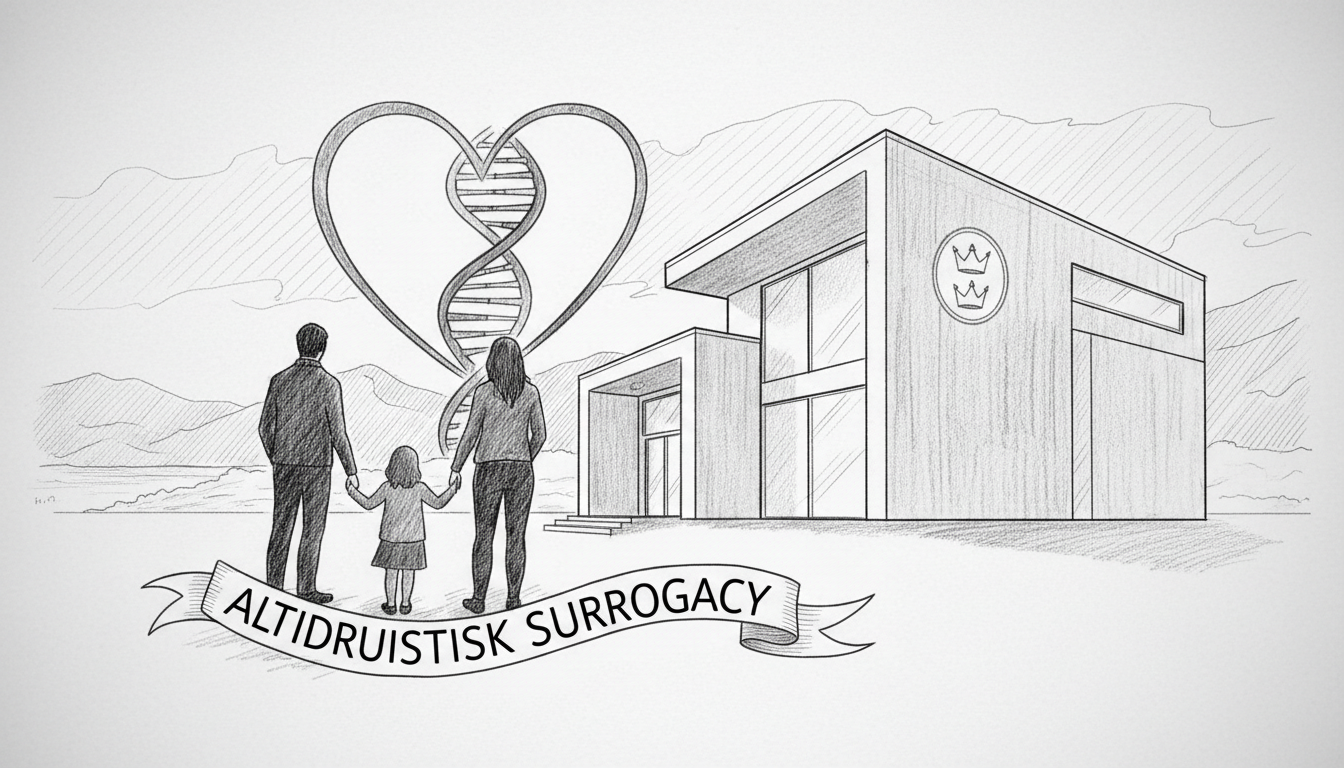
A new political softening in Copenhagen is challenging Denmark's strict stance on surrogacy. The question is now on the table. Should fertility clinics in Denmark be allowed to help women become pregnant if they intend to carry a child for someone else? This debate gained national attention following a powerful documentary. The program followed two sisters and their spouses on their personal journey. It has sparked a conversation that touches on family law, medical ethics, and social policy.
For years, Danish law has maintained a firm position. Commercial surrogacy is illegal, and altruistic surrogacy exists in a complex gray area. Fertility clinics are prohibited from assisting in surrogacy arrangements. This forces many Danes to seek treatment abroad, often at great personal and financial cost. The recent documentary highlighted these human struggles. It showed the emotional and logistical hurdles families face. This has prompted some political parties to reconsider their long-held positions.
Integration and social policy experts note this debate reflects broader questions about family structures in the Danish welfare system. How does society support diverse paths to parenthood? The current policy creates a paradox. Denmark is a global leader in fertility treatment for individuals and couples. Yet it draws a firm line at assisted surrogacy within its own borders. This pushes the practice underground or overseas. It removes it from Danish regulatory oversight and medical follow-up care.
Community leaders in Copenhagen's integration centers have observed the impact. International families and expats often arrive with different cultural understandings of surrogacy. They encounter a system that offers no clear legal pathway. This can create isolation and confusion. The debate is not just about medical procedure. It is about defining family and support in a modern society. Some politicians argue the law needs to catch up with reality and compassion. Others warn of ethical pitfalls and potential exploitation.
What does this political shift mean? Several parties on Christiansborg, the Danish parliament building, are now expressing openness to discussion. They are not calling for a free market. They are exploring regulated, altruistic models with strong legal safeguards. Any change would require careful legislation to protect all parties, especially the surrogate mother and the child. This includes clear contracts, psychological screening, and guaranteed healthcare. The conversation is moving from 'if' to 'how' a safe framework could be built.
The outcome will signal Denmark's approach to evolving social norms. Will its famous welfare system adapt to include more forms of family creation? The answer will affect future immigration policy and integration efforts. It will define what support the state provides. For now, the documentary has done its job. It has put a human face on a political issue. It has moved the debate beyond abstract principles into the lived experiences of Danish families. The next steps belong to the lawmakers on Christiansborg.