
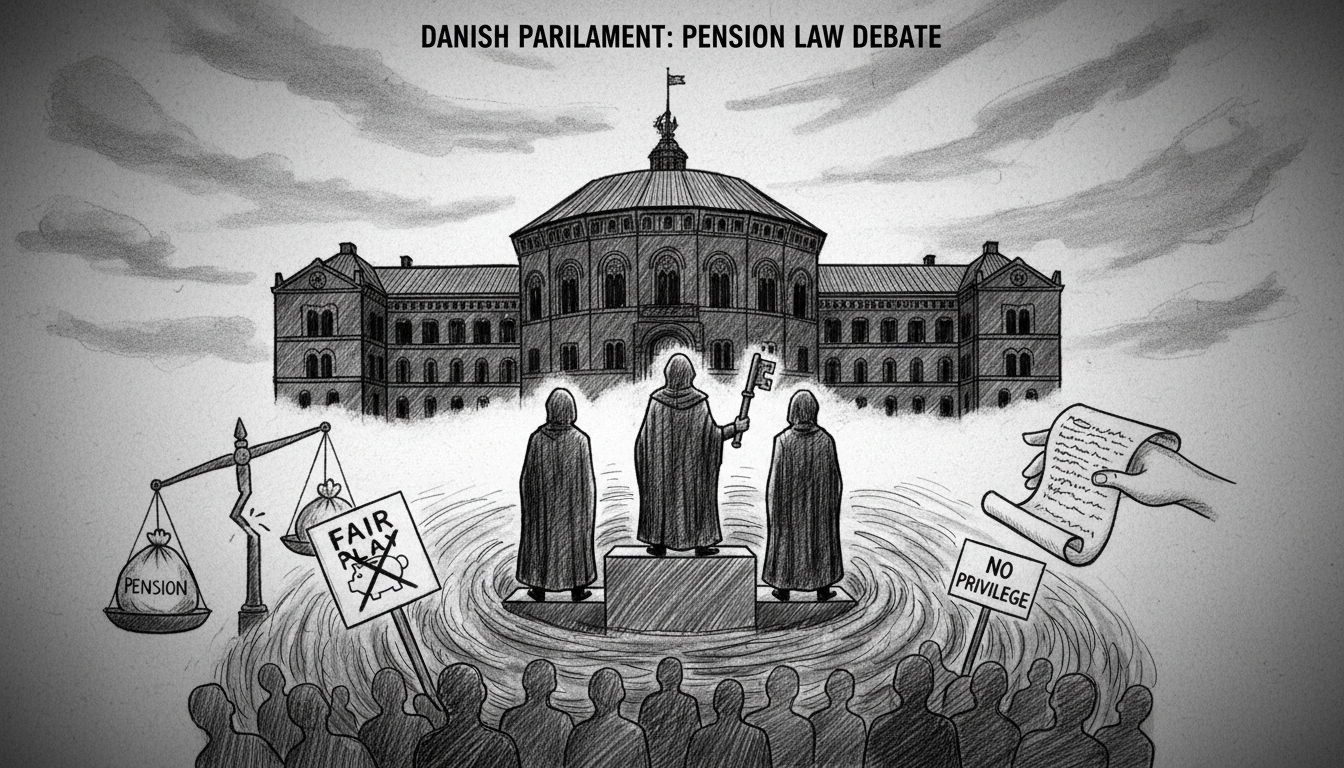
The Danish Parliament has approved an extraordinary early pension for former minister Henrik Sass Larsen, sparking intense debate across Copenhagen's political circles. This decision comes despite his recent criminal conviction and expulsion from the Social Democratic Party. The Parliament's Presidium authorized the confidential payment during the autumn season, though most political parties now express disagreement with the outcome.
Danish integration policies often emphasize equal treatment under the welfare system, making this case particularly noteworthy. The former minister received a four-month prison sentence earlier this year for possession of child sexual material. His subsequent pension approval raises questions about consistency in Denmark's social policy application.
Community leaders in Copenhagen integration centers express concern about the message this sends. A municipal social coordinator noted that transparency remains crucial for public trust in Danish institutions. The case highlights ongoing tensions between political privilege and equal treatment principles within Denmark's renowned welfare structure.
Statistics from recent integration reports show Denmark maintains strict requirements for ordinary citizens accessing social benefits. The contrast between standard procedures and this exceptional case has not gone unnoticed. Many Copenhagen residents question how such decisions align with Denmark's immigration policy principles of fairness and accountability.
The Social Democrats now propose rule changes to prevent similar situations. Political observers note this reflects broader debates about privilege and accountability in Danish society. The case emerges during ongoing discussions about welfare system reforms and integration challenges.
Danish municipalities typically follow rigorous procedures for pension approvals. This exceptional case demonstrates how political positions can sometimes bypass standard social policy protocols. The situation has prompted calls for clearer guidelines from multiple parliamentary factions.
International observers often study Denmark's welfare model for its balance of social support and personal responsibility. Cases like this provide important lessons about maintaining system integrity. They also show how even established democracies face challenges in applying rules consistently across different societal segments.
What does this mean for Denmark's international reputation? The country frequently ranks high in transparency and equality indexes. This incident could influence how other nations view Danish social policy implementation. It also raises questions about political accountability within Scandinavia's social democratic traditions.
The coming months will show whether proposed rule changes gain parliamentary support. Many Danes await concrete actions rather than political statements. The case continues to generate discussion in social centers and community forums across Copenhagen neighborhoods.