
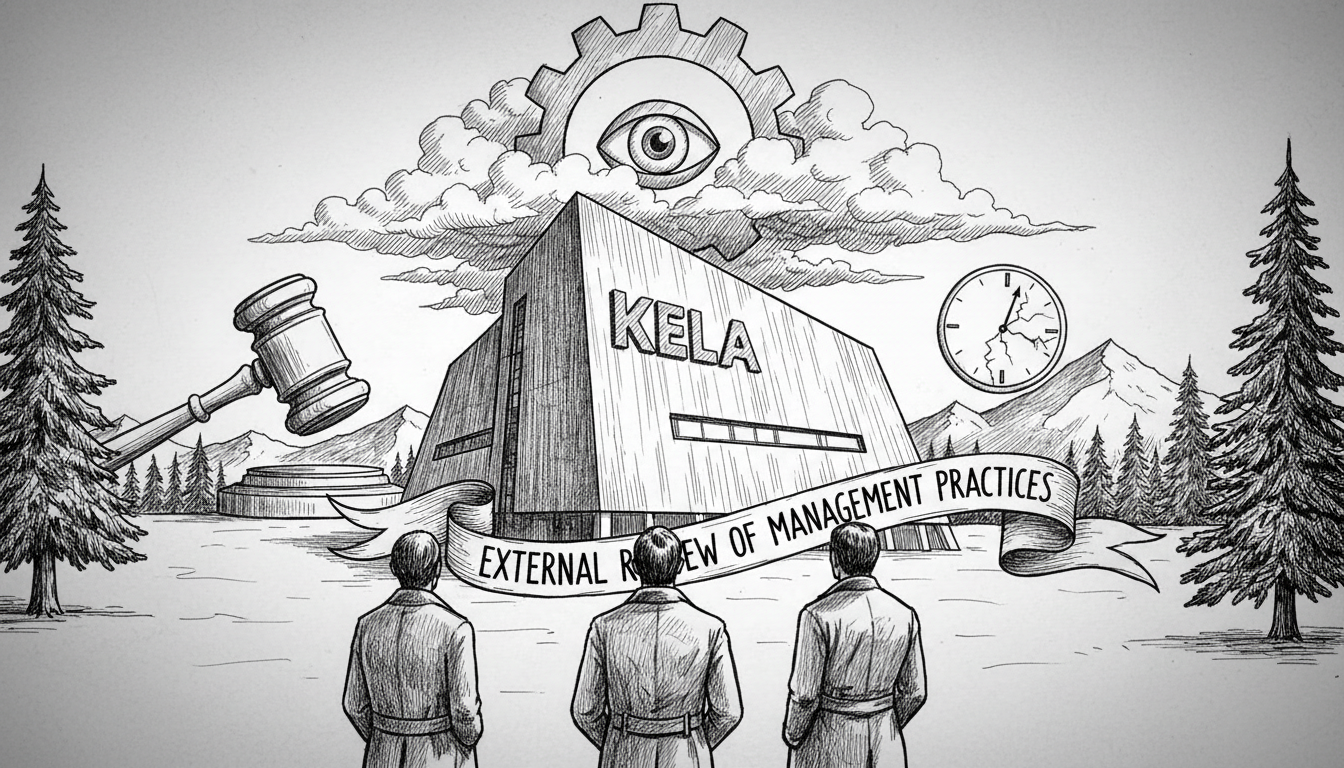
The board of Finland's Social Insurance Institution Kela has proposed an external investigation into the agency's leadership structure and management practices. Board sources confirm the review aims to establish a comprehensive picture of Kela's governance approaches as several senior management team members approach transition periods within the coming years. The proposal will go before Kela's parliamentary supervisors during their Thursday session according to official communications.
This development follows recent public attention directed at Kela Director General Lasse Lehtonen, whose comments about remote work arrangements and agency personnel sparked controversy among staff members. Employees expressed concerns about perceived disrespectful remarks regarding their work ethic and professional commitment. The situation highlights ongoing tensions within Finland's largest social benefits administrator during a period of significant digital transformation and changing workplace norms.
Kela represents a cornerstone of Finland's welfare state, distributing over 15 billion euros annually in social security benefits to millions of citizens. The institution employs approximately 7,500 staff across 140 offices nationwide, processing pension payments, sickness allowances, and unemployment benefits. Management transitions within such a critical public institution naturally attract political scrutiny given Kela's central role in Finnish social safety nets.
The proposed external review reflects standard Finnish administrative practice when addressing organizational challenges. Similar investigations have previously occurred at other major Finnish institutions including the Transport Safety Agency and Tax Administration during leadership transitions. The Finnish Parliament's Social Affairs and Health Committee maintains oversight responsibility for Kela operations through appointed trustees who monitor institutional performance.
Political observers note the timing coincides with broader discussions about public sector modernization across Nordic governments. Finland's coalition government has emphasized digital transformation and efficiency improvements throughout the public sector since taking office. The Kela situation presents both administrative challenges and potential opportunities for demonstrating effective governance during organizational change.
International readers should understand that Kela operates as an independent social security institution under parliamentary supervision, distinct from direct government ministry control. This structure mirrors similar social insurance models in other Nordic countries, though Finland's system remains unique in its comprehensive coverage and centralized administration. The current leadership review represents routine institutional governance rather than systemic crisis, though outcomes could influence future benefit delivery models.
What practical implications might this management review create for Finnish citizens relying on Kela services? The immediate effect appears minimal as daily operations continue uninterrupted. Long-term outcomes could include refined remote work policies, updated management training protocols, and potentially revised communication guidelines for senior leadership. The external investigators will likely examine international best practices from comparable social security administrations in Sweden and Denmark.
Finnish political parties traditionally maintain careful interest in Kela operations given the institution's direct impact on voter experiences with welfare services. The current government coalition faces balancing efficiency improvements with maintaining service quality during organizational assessments. Parliament members across party lines will monitor the review process closely as Kela preparations advance for anticipated leadership transitions.