
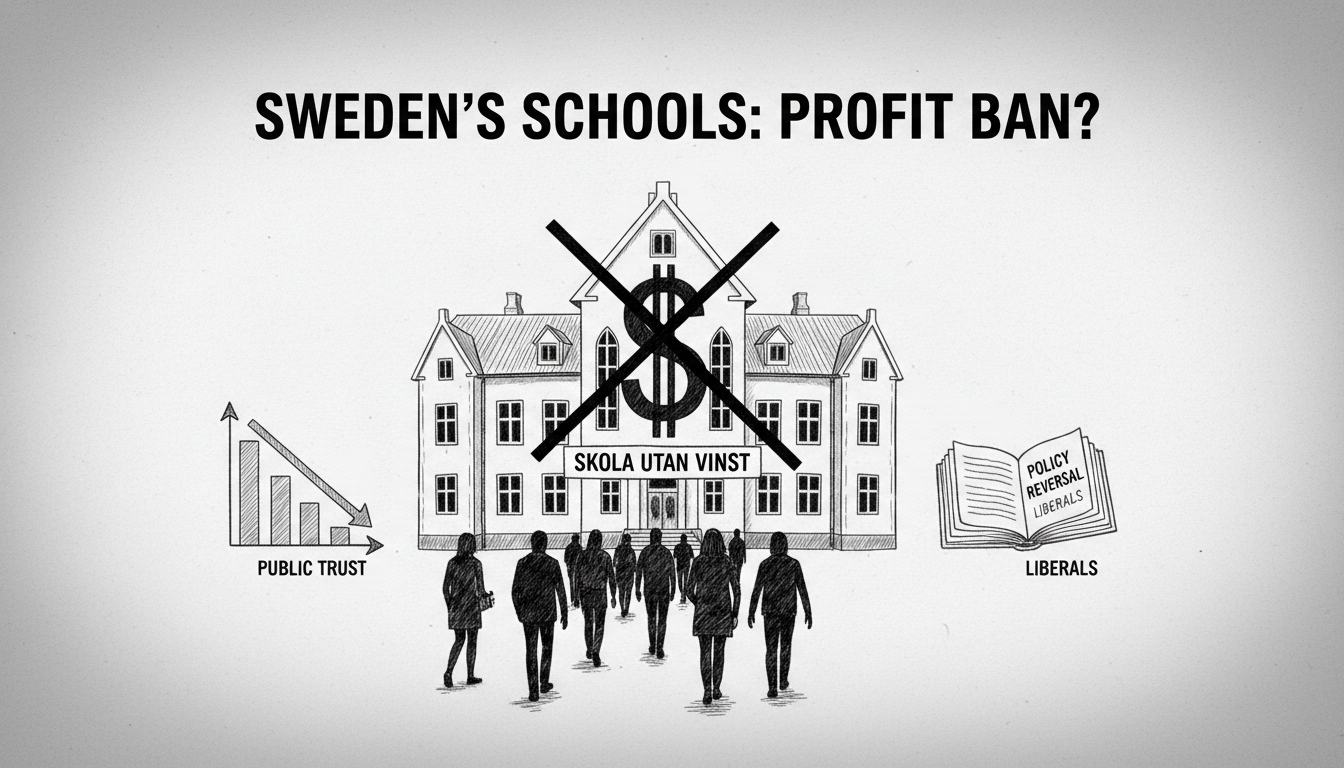
Sweden's Liberal Party has voted to prohibit profit-making in schools. The decision followed intense debate at their national conference. Party leader Simona Mohamsson acknowledged the timing raises concerns. The Liberals face declining public confidence in their education policies.
This policy shift represents a major change for the party. The Liberals traditionally supported school choice and market reforms. Their new position aligns more closely with left-wing parties. Sweden's school system has allowed private operators since the 1990s. These companies can make profits from public education funding.
Public trust in the Liberals as education advocates has dropped significantly. Recent polls show fewer voters consider them the best party for school issues. Mohamsson admitted these numbers cause worry. The party faces challenges rebuilding their education credibility.
Sweden's unique school voucher system transformed education over three decades. Private companies operate many schools with public funding. Critics argue profits divert resources from classrooms. Supporters say competition improves educational quality.
The policy reversal reflects broader political realignments in Sweden. Center-right parties increasingly question market solutions in welfare sectors. The education debate touches fundamental questions about public service delivery.
International readers should understand Sweden's education context. The country pioneered school choice models now debated worldwide. Sweden's experience informs global discussions about privatization in education.
This policy change could affect international education companies operating in Sweden. Several large corporations run Swedish schools with substantial public funding. A profit ban would reshape the education market dramatically.
The Liberals face political challenges implementing their new position. They must convince voters of their sincerity while governing in a center-right coalition. Other coalition partners maintain different views on school profits.
Education remains a top concern for Swedish families. School quality consistently ranks among voters' priority issues. The Liberals' shifting stance reflects changing public attitudes toward privatization.
What happens next depends on political negotiations. The Liberals would need parliamentary support for a profit ban. Their coalition partners show little enthusiasm for such legislation. The policy may remain symbolic without broader political backing.
The party's internal debate revealed deep divisions. Some members defended their traditional pro-market positions. Others argued principles must adapt to practical realities. This tension reflects wider European liberal party struggles.
Sweden's education experiment attracted international attention for years. The country served as a laboratory for school choice policies. Now even traditional supporters question the model's consequences. The Liberal Party's reversal signals a potential turning point.