
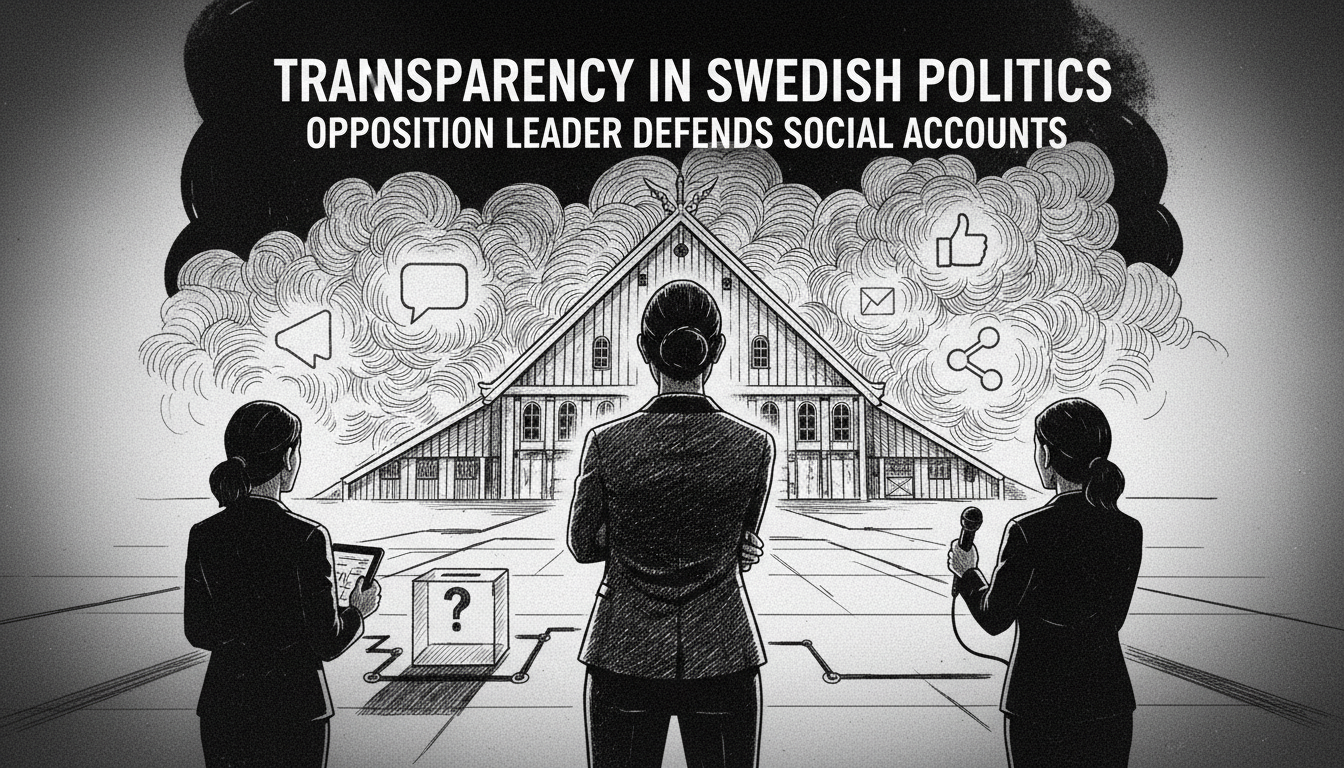
Swedish opposition leader Magdalena Andersson has defended her party's use of social media accounts operated by their media company. The Social Democratic leader stated these practices represent natural political communication methods. She emphasized transparency in her public remarks about the controversy.
Andersson directly addressed critics who question the accounts' ownership structures. She asserted that no investigative reporting was necessary to identify the accounts' political affiliations. The Social Democratic media company AiP openly acknowledges its party connections and funding sources.
Political opponents from the Moderate Party have labeled these operations a political troll factory. They argue the accounts obscure their partisan origins while spreading political messaging. The Swedish Parliament has seen heated debates about political transparency standards.
This controversy reflects broader questions about political communication ethics in Sweden. Swedish government policy has long grappled with balancing free speech and transparency requirements. The Rosenbad administrative complex has hosted numerous discussions about political advertising regulations.
Swedish political parties historically maintained close relationships with affiliated media organizations. This structure dates back to Sweden's traditional party press system. Recent Riksdag decisions have attempted to modernize disclosure requirements for digital political content.
The current debate centers on whether voters can readily identify the political sponsorship behind social media content. Swedish Parliament members disagree about what constitutes adequate transparency. Government policy Sweden regarding political advertising continues evolving alongside technological changes.
International observers note Sweden's political communication standards remain relatively stringent compared to other democracies. The Stockholm politics scene has generally maintained higher transparency expectations than many counterparts. This case tests whether those standards are keeping pace with digital campaign methods.
What implications does this have for Swedish democracy? Voters deserve clear information about who communicates political messages. The Social Democrats maintain their approach meets legal requirements while effectively reaching citizens. Their opponents argue for stricter disclosure rules in digital political communication.
The controversy will likely influence upcoming Riksdag decisions about political advertising regulations. Swedish government officials monitor how these practices affect public trust in democratic institutions. Stockholm politics experts predict continued debate about balancing modern campaign techniques with transparency values.