
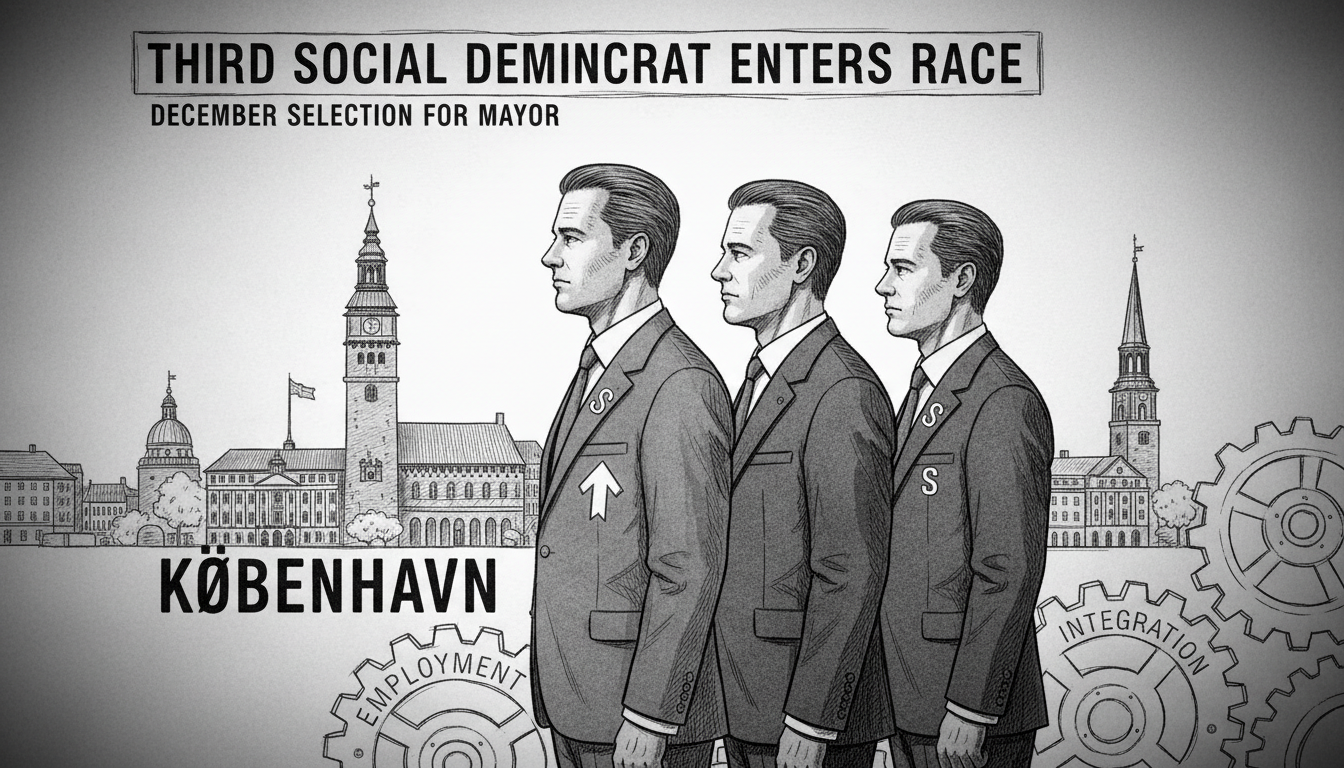
A firefighter aims to extinguish political flames within Copenhagen's Social Democratic party. Andreas Keil has announced his candidacy for the crucial employment and integration mayor position in Denmark's capital city. His entry creates a three-way competition for this influential post overseeing Copenhagen integration policies.
Keil brings twelve years of city council experience to this race. He served continuously on the Employment and Integration Committee during his tenure. This background gives him deep insight into Danish welfare system challenges. He believes his practical approach can strengthen dialogue among political parties at City Hall.
Two other prominent candidates seek the same position. Lars Aslan Rasmussen brings significant parliamentary experience from his six years in national politics. Yildiz Akdogan currently serves in Parliament while maintaining city council membership. She faces a difficult choice between local and national representation due to Denmark's strict dual mandate prohibition.
The upcoming December selection follows disappointing election results for Copenhagen Social Democrats. The party received just 12.7 percent of votes in the municipal election. This represented a substantial decline from previous results. Both the Red-Green Alliance and Socialist People's Party outperformed them in the capital.
Personal vote counts reveal interesting voter preferences. Rasmussen secured 4,656 personal votes during the election. Keil received 960 personal votes while Akdogan got 959. These numbers suggest varying levels of name recognition and public support among the candidates.
This leadership contest occurs during challenging times for Danish social policy implementation. Copenhagen faces ongoing integration challenges that require nuanced solutions. The new mayor will oversee policies affecting thousands of residents' daily lives. Their decisions will directly impact employment opportunities and social cohesion.
The selection process concludes in early December when party members make their final decision. The winning candidate will assume responsibility for one of Copenhagen's most demanding administrative areas. They will need to address complex issues within Denmark immigration policy frameworks while maintaining public trust.
Copenhagen's municipal government structure includes one lord mayor and six specialized mayors. Each oversees distinct administrative areas affecting urban life. The employment and integration portfolio remains particularly crucial for maintaining social stability. It directly influences how newcomers adapt to Danish society while ensuring existing residents benefit from economic opportunities.
Danish municipalities operate with considerable autonomy in integration matters. Copenhagen's approach often sets precedents for other cities. The new mayor's policies will be closely watched nationwide. Their success or failure could influence Denmark social policy development for years to come.